Abstract
A field experiment to determine the effect of Azadirachtin, Bacillus thuringiensis, Pyrethrin + Garlic extract, and Petroleum mineral oil in managing the tomato leaf miner (Tuta absoluta) and serpentine leaf miner (Liriomyza trifolii) was conducted for two seasons between December 2016 and November 2017 at Chuka, Tharaka-Nithi County. Tomato variety, Kilele F1, was planted in the field to evaluate the effect of selected commercial products on T. absoluta and L. trifolii. The product included Azadirachtin 0.03%, Pyrethrin + Garlic extract, Bacillus thuringiensis var Kurstaki 5% w/w), and Petroleum mineral oil 98.8%. There were five treatments in a randomized complete block design (RCBD) in three replicates. There was an application of sterile water in the control experiment. There was a significant difference (P < 0.05) between the biocontrol products and the control. The Azadirachtin at 0.03% treatments had the least number of leaves damaged by T. absoluta (0.43; 1.67) in the control treatment (1.7; 5.27) in both seasons. In both seasons, there were significant differences (P < 0.05) between treatments in the number of leaflets damaged by L. trifolii. In season 1, the least damaged fruits per plant (1.33) were recorded in Azadirachtin at 0.03%, compared to the highest damage (5.0) in the untreated control. In the second season, the low fruit damage (0.67) was recorded in Petroleum mineral oil, and the highest (2.33) was in the untreated control. The study concluded that Azadirachtin 0.03%, Bacillus thuringiensis var Kurstaki 5% w/w, and Petroleum mineral oil were efficacious in managing T. absoluta and L. trifolii and be integrated into the existing tomato pest management strategies.
Abstract from the paper’s OpenAlex record; open copy licensed cc-by. Read at the source ↗
The text the model read, with the source record’s inline markup (italics, sub- and superscripts) rendered and its character entities decoded; quote offsets refer to the raw text.
Claims 8
Claim · model-written summary
Biocontrol products differed significantly from the control.
- Taxon
- Tomato
 Solanum lycopersicumt0
- Treatment
- biocontrol productse0
- Outcome
- significant differencee0
- Comparator
- controle0
Not reportedDirection
Organisms pictured · Representative pictures of the matched species, not figures from the paper.

Verbatim
e0“There was a significant difference (P < 0.05) between the biocontrol products and the control”
t0“Tomato”
Claim · model-written summary
Azadirachtin at 0.03% yielded the least Tuta absoluta leaf damage in both seasons.
- Taxon
- TomatoSolanum lycopersicumt0
- Treatment
- Azadirachtin at 0.03%e0
- Interactor
- T. absoluta
 Tuta absolutae0pest
- Outcome
- number of leaves damaged by T. absolutae0
- Direction
- leaste0
- Value
- 0.43; 1.67e0
- Qualifier
- 1.7; 5.27e0
- Comparator
- control treatmente0
Organisms pictured · Representative pictures of the matched species, not figures from the paper.

Verbatim
e0“The Azadirachtin at 0.03% treatments had the least number of leaves damaged by T. absoluta (0.43; 1.67) in the control treatment (1.7; 5.27) in both seasons”
t0“Tomato”
Claim · model-written summary
Treatments differed significantly in Liriomyza trifolii leaflet damage in both seasons.
- Taxon
- TomatoSolanum lycopersicumt0
- Treatment
- treatmentse0
- Interactor
- L. trifolii
 Liriomyza trifoliie0pest
- Outcome
- number of leaflets damaged by L. trifoliie0
Not reportedComparatorDirection
Organisms pictured · Representative pictures of the matched species, not figures from the paper.

Verbatim
e0“In both seasons, there were significant differences (P < 0.05) between treatments in the number of leaflets damaged by L. trifolii”
t0“Tomato”
Claim · model-written summary
Season 1 fruit damage was lowest with Azadirachtin at 0.03%, at 1.33 versus 5.0 in control.
- Taxon
- TomatoSolanum lycopersicumt0
- Treatment
- Azadirachtin at 0.03%e0
- Outcome
- damaged fruits per plante0
- Direction
- leaste0
- Value
- 1.33e0
- Qualifier
- 5.0e0
- Comparator
- untreated controle0
Organisms pictured · Representative pictures of the matched species, not figures from the paper.
Verbatim
e0“In season 1, the least damaged fruits per plant (1.33) were recorded in Azadirachtin at 0.03%, compared to the highest damage (5.0) in the untreated control”
t0“Tomato”
Claim · model-written summary
Season 2 fruit damage was lowest with petroleum mineral oil, at 0.67 versus 2.33 in control.
- Taxon
- TomatoSolanum lycopersicumt0
- Treatment
- Petroleum mineral oile0
- Outcome
- fruit damagee0
- Direction
- lowe0
- Value
- 0.67e0
- Qualifier
- 2.33e0
- Comparator
- untreated controle0
Organisms pictured · Representative pictures of the matched species, not figures from the paper.
Verbatim
e0“In the second season, the low fruit damage (0.67) was recorded in Petroleum mineral oil, and the highest (2.33) was in the untreated control”
t0“Tomato”
Claim · model-written summary
The authors recommend Azadirachtin for tomato leaf miner management.
- Taxon
- tomatoSolanum lycopersicume0
- Treatment
- Azadirachtin 0.03%e0
- Outcome
- be integrated into the existing tomato pest management strategiese0
Organisms pictured · Representative pictures of the matched species, not figures from the paper.
Verbatim
e0“Azadirachtin 0.03%, Bacillus thuringiensis var Kurstaki 5% w/w, and Petroleum mineral oil were efficacious in managing T. absoluta and L. trifolii and be integrated into the existing tomato pest management strategies”
Claim · model-written summary
The authors recommend Bacillus thuringiensis for tomato leaf miner management.
- Taxon
- tomatoSolanum lycopersicume0
- Treatment
- Bacillus thuringiensis var Kurstaki 5% w/we0
- Interactor
- Bacillus thuringiensis var Kurstaki
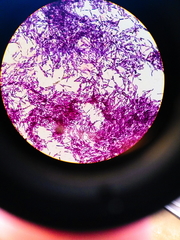 Bacillus thuringiensise0biocontrol_agent
- Outcome
- be integrated into the existing tomato pest management strategiese0
Organisms pictured · Representative pictures of the matched species, not figures from the paper.
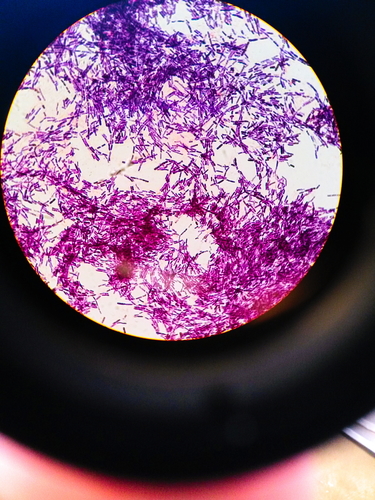
Verbatim
e0“Azadirachtin 0.03%, Bacillus thuringiensis var Kurstaki 5% w/w, and Petroleum mineral oil were efficacious in managing T. absoluta and L. trifolii and be integrated into the existing tomato pest management strategies”
Claim · model-written summary
The authors recommend petroleum mineral oil for tomato leaf miner management.
- Taxon
- tomatoSolanum lycopersicume0
- Treatment
- Petroleum mineral oile0
- Outcome
- be integrated into the existing tomato pest management strategiese0
Organisms pictured · Representative pictures of the matched species, not figures from the paper.
Verbatim
e0“Azadirachtin 0.03%, Bacillus thuringiensis var Kurstaki 5% w/w, and Petroleum mineral oil were efficacious in managing T. absoluta and L. trifolii and be integrated into the existing tomato pest management strategies”
The same questions in other papers
azadirachtin · yield · Solanum lycopersicum (tomato)Positive and negative results
4 papers in the same direction as this paper · 1 in the opposite direction
- negative
- positive
- positive
2 papers more in this group
See all 6 papers →azadirachtin · Tuta absoluta · Solanum lycopersicum (tomato)Results agree
9 papers in the same direction as this paper
- positive
- positive
- positive
6 papers more in this group
See all 10 papers →Claims are grouped by organism, treatment and what was measured or targeted. A paper counts as positive when any of its claims in the group is positive.