Abstract
Drought is a major setback to global agriculture. To achieve sustainable agriculture, water stress needs to be effectively managed. Tomato seedlings were screened using Host-Mediated Artificial Selection approach to select microbiota that can confer tolerance to water stress. Rhizospheric bacteria identified from the microbiota were assayed in vitro and in a greenhouse for stress tolerance and tomato growth promotion. The study was conducted in triplicates using a completely randomized design. Results from the study revealed that tomato plants inoculated with microbiota under water stress delayed wilting from rounds 1 to 4 of planting than the control for 3, 5, 6, and 8 days, respectively. Of all the bacterial species isolated from each round, only four strains of Bacillus genus survived till the fourth round. These organisms exhibited stress tolerance and growth-promoting characteristics in vitro. Under stressed soil, tomato plants treated with microbiota (141 g) increased (>) fruit weight than Bacillus cereus AN14 (123 g) > Bacillus thuringiensis AN10 (104 g) > B. sp. AN22 (98 g) > B. sp. ANP (91 g) and the control (77 g), respectively. These inoculants were effective in promoting tomato growth and yield of tomatoes under water stress.
Abstract from the paper’s OpenAlex record, shown for indexing and research. Copyright remains with the authors or the publisher. Read at the source ↗
The text the model read, with the source record’s inline markup (italics, sub- and superscripts) rendered and its character entities decoded; quote offsets refer to the raw text.
Claims 8
Claim · model-written summary
Microbiota delayed tomato wilting across four rounds.
- Taxon
- tomato
 Solanum lycopersicume0
- Treatment
- inoculated with microbiotae0
- Interactor
- microbiotae0symbiont
- Outcome
- wiltinge0
- Direction
- delayede0
- Value
- 3, 5, 6, and 8 dayse0
- Comparator
- the controle0
Organisms pictured · Representative pictures of the matched species, not figures from the paper.

Verbatim
e0“tomato plants inoculated with microbiota under water stress delayed wilting from rounds 1 to 4 of planting than the control for 3, 5, 6, and 8 days, respectively.”
Claim · model-written summary
Four Bacillus strains survived round four.
- Taxon
- tomatoSolanum lycopersicumt0
- Interactor
- Bacillus genuse0symbiont
- Outcome
- four strains of Bacillus genus survived till the fourth rounde0
Organisms pictured · Representative pictures of the matched species, not figures from the paper.
Verbatim
e0“only four strains of Bacillus genus survived till the fourth round.”
t0“tomato”
Claim · model-written summary
The isolates showed stress tolerance and growth promotion in vitro.
- Taxon
- tomatoSolanum lycopersicumt0
- Outcome
- stress tolerance and growth-promoting characteristicse0
Organisms pictured · Representative pictures of the matched species, not figures from the paper.
Verbatim
e0“These organisms exhibited stress tolerance and growth-promoting characteristics in vitro.”
t0“tomato”
Claim · model-written summary
Microbiota yielded 141 g tomato fruit weight.
- Taxon
- tomatoSolanum lycopersicume0
- Treatment
- treated with microbiotae0
- Interactor
- microbiotae0symbiont
- Outcome
- fruit weighte0
- Direction
- increasede0
- Value
- 141 ge0
- Comparator
- the controle0
Organisms pictured · Representative pictures of the matched species, not figures from the paper.
Verbatim
e0“Under stressed soil, tomato plants treated with microbiota (141 g) increased (>) fruit weight than Bacillus cereus AN14 (123 g) > Bacillus thuringiensis AN10 (104 g) > B. sp. AN22 (98 g) > B. sp. ANP (91 g) and the control (77 g), respectively.”
Claim · model-written summary
Bacillus cereus AN14 yielded 123 g fruit weight.
- Taxon
- tomatoSolanum lycopersicume0
- Treatment
- Bacillus cereus AN14e0
- Interactor
- Bacillus cereus AN14
 Bacillus cereuse0symbiont
- Outcome
- fruit weighte0
- Direction
- increasede0
- Value
- 123 ge0
- Comparator
- the controle0
Organisms pictured · Representative pictures of the matched species, not figures from the paper.

Verbatim
e0“tomato plants treated with microbiota (141 g) increased (>) fruit weight than Bacillus cereus AN14 (123 g) > Bacillus thuringiensis AN10 (104 g) > B. sp. AN22 (98 g) > B. sp. ANP (91 g) and the control (77 g)”
Claim · model-written summary
Bacillus thuringiensis AN10 yielded 104 g fruit weight.
- Taxon
- tomatoSolanum lycopersicume0
- Treatment
- Bacillus thuringiensis AN10e0
- Interactor
- Bacillus thuringiensis AN10
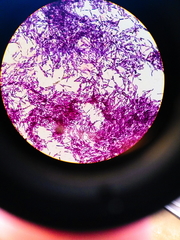 Bacillus thuringiensise0symbiont
- Outcome
- fruit weighte0
- Direction
- increasede0
- Value
- 104 ge0
- Comparator
- the controle0
Organisms pictured · Representative pictures of the matched species, not figures from the paper.
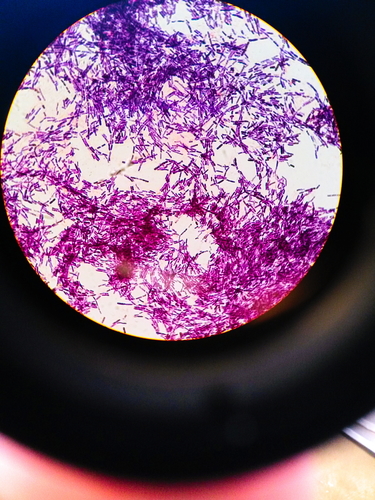
Verbatim
e0“tomato plants treated with microbiota (141 g) increased (>) fruit weight than Bacillus cereus AN14 (123 g) > Bacillus thuringiensis AN10 (104 g) > B. sp. AN22 (98 g) > B. sp. ANP (91 g) and the control (77 g)”
Claim · model-written summary
B. sp. AN22 yielded 98 g fruit weight.
- Taxon
- tomatoSolanum lycopersicume0
- Treatment
- B. sp. AN22e0
- Interactor
- B. sp. AN22e0symbiont
- Outcome
- fruit weighte0
- Direction
- increasede0
- Value
- 98 ge0
- Comparator
- the controle0
Organisms pictured · Representative pictures of the matched species, not figures from the paper.
Verbatim
e0“tomato plants treated with microbiota (141 g) increased (>) fruit weight than Bacillus cereus AN14 (123 g) > Bacillus thuringiensis AN10 (104 g) > B. sp. AN22 (98 g) > B. sp. ANP (91 g) and the control (77 g)”
Claim · model-written summary
B. sp. ANP yielded 91 g fruit weight.
- Taxon
- tomatoSolanum lycopersicume0
- Treatment
- B. sp. ANPe0
- Interactor
- B. sp. ANPe0symbiont
- Outcome
- fruit weighte0
- Direction
- increasede0
- Value
- 91 ge0
- Comparator
- the controle0
Organisms pictured · Representative pictures of the matched species, not figures from the paper.
Verbatim
e0“tomato plants treated with microbiota (141 g) increased (>) fruit weight than Bacillus cereus AN14 (123 g) > Bacillus thuringiensis AN10 (104 g) > B. sp. AN22 (98 g) > B. sp. ANP (91 g) and the control (77 g)”
The same questions in other papers
Bacillus cereus · yield · Solanum lycopersicum (tomato)Results agree
4 papers in the same direction as this paper
- positive
- positive
- positive
1 paper more in this group
See all 5 papers →Bacillus thuringiensis · yield · Solanum lycopersicum (tomato)Results agree
4 papers in the same direction as this paper
- positive
- positive
- positive
1 paper more in this group
See all 5 papers →inoculation · disease · Solanum lycopersicum (tomato)Positive and negative results
135 papers in the same direction as this paper · 128 in the opposite direction · 2 reporting no difference from an alternative
- negative
- no effect
- negative
262 papers more in this group
See all 266 papers →Claims are grouped by organism, treatment and what was measured or targeted. A paper counts as positive when any of its claims in the group is positive.