Abstract
Abstract Seedlings of several annual and perennial bedding plant species were inoculated with an isolate of Phytophthora nicotianae (synonym = P. parasitica ) and planted into field beds in a simulated landscape situation. Throughout the growing season, growth measurements and disease ratings of the inoculated plants were compared with those of non-inoculated control plants of the same species in identical beds. Phytophthora -inoculated plants that continued to thrive through most of the growing season included Ageratum houstonianum , Celosia ‘Apricot Brandy’, and ‘New Look’; Dahlia ‘Harlequin’; Eustoma grandiflorum (prairie gentian); Lobularia ‘Carpet of Snow’; Nicotiana ‘Alta Dwarf White’, ‘Domino Salmon’, and ‘Nicki Red’; Pelargonium (geranium) ‘Multibloom Scarlet Eye’; Petunia ‘Polo Salmon’, and ‘Sugar Daddy’; Portulaca ‘Sundial Peppermint’; Rudbeckia ‘Rustic Dwarf’; Salvia ‘Lady in Red’, and ‘Victoria Blue’; Tagetes (marigold) ‘Disco Mix’, ‘Inca Orange’, ‘Inca Yellow’, ‘Janie Harmony Improved’, and ‘Gold Fireworks’; and Zinnia angustifolia . Plants that performed poorly following inoculation with Phytophthora include Antirrhinum (snapdragon) ‘Liberty White’, and ‘Liberty Mix’; Catharanthus (vinca) ‘Little Bright Eye’, and ‘Tropicana Rose’; Hibiscus ‘Disco Belle Mix’; Impatiens ‘Accent Bright Eye’; Leucanthemum x ‘Alaska’; Melampodium ‘Medallion’; Salvia ‘Turkestanica’; Torenia ‘Clown Mix’; Verbena ‘Imagination’; and Viola (pansy) ‘Fama See Me’. This study identifies bedding plant taxa which will provide an acceptable display in landscape beds infested with Phytopthora nicotianae (synonym = P. parasitica ).
Abstract from the paper’s OpenAlex record, shown for indexing and research. Copyright remains with the authors or the publisher. Read at the source ↗
The text the model read, with the source record’s inline markup (italics, sub- and superscripts) rendered and its character entities decoded; quote offsets refer to the raw text.
Claims 9
Claim · model-written summary
Ageratum houstonianum, Celosia, Dahlia continued to thrive after Phytophthora inoculation.
- Taxon
- Ageratum houstonianum
 Ageratum houstonianume0
- Treatment
- Phytophthorae0
- Interactor
- Phytophthora
 Phytophthorae0pathogen
- Outcome
- continued to thrivee0
Not reportedQualifier
Organisms pictured · Representative pictures of the matched species, not figures from the paper.


Verbatim
e0“Phytophthora -inoculated plants that continued to thrive through most of the growing season included Ageratum houstonianum , Celosia ‘Apricot Brandy’, and ‘New Look’; Dahlia ‘Harlequin’; Eustoma grandiflorum (prairie gentian); Lobularia ‘Carpet of Snow’; Nicotiana ‘Alta Dwarf White’, ‘Domino Salmon’, and ‘Nicki Red’; Pelargonium (geranium) ‘Multibloom Scarlet Eye’; Petunia ‘Polo Salmon’, and ‘Sugar Daddy’; Portulaca ‘Sundial Peppermint’; Rudbeckia ‘Rustic Dwarf’; Salvia ‘Lady in Red’, and ‘Victoria Blue’; Tagetes (marigold) ‘Disco Mix’, ‘Inca Orange’, ‘Inca Yellow’, ‘Janie Harmony Improved’, and ‘Gold Fireworks’; and Zinnia angustifolia .”
Claim · model-written summary
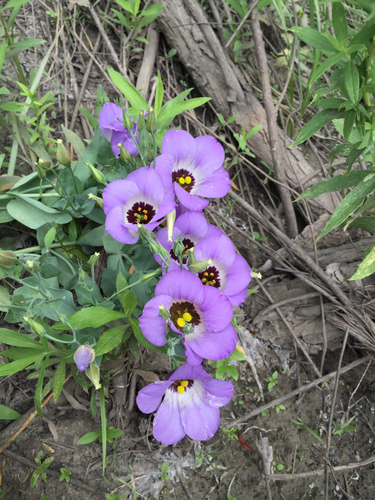
Eustoma grandiflorum, Lobularia, Nicotiana continued to thrive after Phytophthora inoculation.
- Taxon
- Eustoma grandiflorum
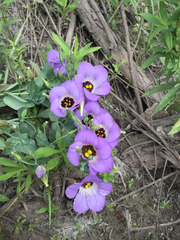 Eustoma russellianume0
- Treatment
- Phytophthorae0
- Interactor
- PhytophthoraPhytophthorae0pathogen
- Outcome
- continued to thrivee0
Not reportedQualifier
Organisms pictured · Representative pictures of the matched species, not figures from the paper.
Verbatim
e0“Phytophthora -inoculated plants that continued to thrive through most of the growing season included Ageratum houstonianum , Celosia ‘Apricot Brandy’, and ‘New Look’; Dahlia ‘Harlequin’; Eustoma grandiflorum (prairie gentian); Lobularia ‘Carpet of Snow’; Nicotiana ‘Alta Dwarf White’, ‘Domino Salmon’, and ‘Nicki Red’; Pelargonium (geranium) ‘Multibloom Scarlet Eye’; Petunia ‘Polo Salmon’, and ‘Sugar Daddy’; Portulaca ‘Sundial Peppermint’; Rudbeckia ‘Rustic Dwarf’; Salvia ‘Lady in Red’, and ‘Victoria Blue’; Tagetes (marigold) ‘Disco Mix’, ‘Inca Orange’, ‘Inca Yellow’, ‘Janie Harmony Improved’, and ‘Gold Fireworks’; and Zinnia angustifolia .”
Claim · model-written summary
Pelargonium, Petunia, Portulaca continued to thrive after Phytophthora inoculation.
- Taxon
- Pelargonium
 Pelargoniume0
- Treatment
- Phytophthorae0
- Interactor
- PhytophthoraPhytophthorae0pathogen
- Outcome
- continued to thrivee0
Not reportedQualifier
Organisms pictured · Representative pictures of the matched species, not figures from the paper.

Verbatim
e0“Phytophthora -inoculated plants that continued to thrive through most of the growing season included Ageratum houstonianum , Celosia ‘Apricot Brandy’, and ‘New Look’; Dahlia ‘Harlequin’; Eustoma grandiflorum (prairie gentian); Lobularia ‘Carpet of Snow’; Nicotiana ‘Alta Dwarf White’, ‘Domino Salmon’, and ‘Nicki Red’; Pelargonium (geranium) ‘Multibloom Scarlet Eye’; Petunia ‘Polo Salmon’, and ‘Sugar Daddy’; Portulaca ‘Sundial Peppermint’; Rudbeckia ‘Rustic Dwarf’; Salvia ‘Lady in Red’, and ‘Victoria Blue’; Tagetes (marigold) ‘Disco Mix’, ‘Inca Orange’, ‘Inca Yellow’, ‘Janie Harmony Improved’, and ‘Gold Fireworks’; and Zinnia angustifolia .”
Claim · model-written summary
Rudbeckia, Salvia, Tagetes continued to thrive after Phytophthora inoculation.
- Treatment
- Phytophthorae0
- Interactor
- PhytophthoraPhytophthorae0pathogen
- Outcome
- continued to thrivee0
 Rudbeckia
Not reportedQualifier
Organisms pictured · Representative pictures of the matched species, not figures from the paper.

Verbatim
e0“Phytophthora -inoculated plants that continued to thrive through most of the growing season included Ageratum houstonianum , Celosia ‘Apricot Brandy’, and ‘New Look’; Dahlia ‘Harlequin’; Eustoma grandiflorum (prairie gentian); Lobularia ‘Carpet of Snow’; Nicotiana ‘Alta Dwarf White’, ‘Domino Salmon’, and ‘Nicki Red’; Pelargonium (geranium) ‘Multibloom Scarlet Eye’; Petunia ‘Polo Salmon’, and ‘Sugar Daddy’; Portulaca ‘Sundial Peppermint’; Rudbeckia ‘Rustic Dwarf’; Salvia ‘Lady in Red’, and ‘Victoria Blue’; Tagetes (marigold) ‘Disco Mix’, ‘Inca Orange’, ‘Inca Yellow’, ‘Janie Harmony Improved’, and ‘Gold Fireworks’; and Zinnia angustifolia .”
Claim · model-written summary
Zinnia angustifolia continued to thrive after Phytophthora inoculation.
- Taxon
- Zinnia angustifolia
 Zinnia angustifoliae0
- Treatment
- Phytophthorae0
- Interactor
- PhytophthoraPhytophthorae0pathogen
- Outcome
- continued to thrivee0
- Qualifier
- Zinnia angustifoliae0
Organisms pictured · Representative pictures of the matched species, not figures from the paper.

Verbatim
e0“Phytophthora -inoculated plants that continued to thrive through most of the growing season included Ageratum houstonianum , Celosia ‘Apricot Brandy’, and ‘New Look’; Dahlia ‘Harlequin’; Eustoma grandiflorum (prairie gentian); Lobularia ‘Carpet of Snow’; Nicotiana ‘Alta Dwarf White’, ‘Domino Salmon’, and ‘Nicki Red’; Pelargonium (geranium) ‘Multibloom Scarlet Eye’; Petunia ‘Polo Salmon’, and ‘Sugar Daddy’; Portulaca ‘Sundial Peppermint’; Rudbeckia ‘Rustic Dwarf’; Salvia ‘Lady in Red’, and ‘Victoria Blue’; Tagetes (marigold) ‘Disco Mix’, ‘Inca Orange’, ‘Inca Yellow’, ‘Janie Harmony Improved’, and ‘Gold Fireworks’; and Zinnia angustifolia .”
Claim · model-written summary
Antirrhinum, Catharanthus, Hibiscus performed poorly after Phytophthora inoculation.
- Taxon
- Antirrhinum
 Antirrhinume0
- Treatment
- Phytophthorae0
- Interactor
- PhytophthoraPhytophthorae0pathogen
- Outcome
- performed poorlye0
Not reportedQualifier
Organisms pictured · Representative pictures of the matched species, not figures from the paper.

Verbatim
e0“Plants that performed poorly following inoculation with Phytophthora include Antirrhinum (snapdragon) ‘Liberty White’, and ‘Liberty Mix’; Catharanthus (vinca) ‘Little Bright Eye’, and ‘Tropicana Rose’; Hibiscus ‘Disco Belle Mix’; Impatiens ‘Accent Bright Eye’; Leucanthemum x ‘Alaska’; Melampodium ‘Medallion’; Salvia ‘Turkestanica’; Torenia ‘Clown Mix’; Verbena ‘Imagination’; and Viola (pansy) ‘Fama See Me’.”
Claim · model-written summary
Impatiens, Leucanthemum, Melampodium performed poorly after Phytophthora inoculation.
- Treatment
- Phytophthorae0
- Interactor
- PhytophthoraPhytophthorae0pathogen
- Outcome
- performed poorlye0
 Impatiens
Not reportedQualifier
Organisms pictured · Representative pictures of the matched species, not figures from the paper.

Verbatim
e0“Plants that performed poorly following inoculation with Phytophthora include Antirrhinum (snapdragon) ‘Liberty White’, and ‘Liberty Mix’; Catharanthus (vinca) ‘Little Bright Eye’, and ‘Tropicana Rose’; Hibiscus ‘Disco Belle Mix’; Impatiens ‘Accent Bright Eye’; Leucanthemum x ‘Alaska’; Melampodium ‘Medallion’; Salvia ‘Turkestanica’; Torenia ‘Clown Mix’; Verbena ‘Imagination’; and Viola (pansy) ‘Fama See Me’.”
Claim · model-written summary
Salvia, Torenia, Verbena performed poorly after Phytophthora inoculation.
- Treatment
- Phytophthorae0
- Interactor
- PhytophthoraPhytophthorae0pathogen
- Outcome
- performed poorlye0
 Salvia
Not reportedQualifier
Organisms pictured · Representative pictures of the matched species, not figures from the paper.

Verbatim
e0“Plants that performed poorly following inoculation with Phytophthora include Antirrhinum (snapdragon) ‘Liberty White’, and ‘Liberty Mix’; Catharanthus (vinca) ‘Little Bright Eye’, and ‘Tropicana Rose’; Hibiscus ‘Disco Belle Mix’; Impatiens ‘Accent Bright Eye’; Leucanthemum x ‘Alaska’; Melampodium ‘Medallion’; Salvia ‘Turkestanica’; Torenia ‘Clown Mix’; Verbena ‘Imagination’; and Viola (pansy) ‘Fama See Me’.”
Claim · model-written summary
Viola performed poorly after Phytophthora inoculation.
- Treatment
- Phytophthorae0
- Interactor
- PhytophthoraPhytophthorae0pathogen
- Outcome
- performed poorlye0
- Qualifier
- Violae0
 Viola
Organisms pictured · Representative pictures of the matched species, not figures from the paper.

Verbatim
e0“Plants that performed poorly following inoculation with Phytophthora include Antirrhinum (snapdragon) ‘Liberty White’, and ‘Liberty Mix’; Catharanthus (vinca) ‘Little Bright Eye’, and ‘Tropicana Rose’; Hibiscus ‘Disco Belle Mix’; Impatiens ‘Accent Bright Eye’; Leucanthemum x ‘Alaska’; Melampodium ‘Medallion’; Salvia ‘Turkestanica’; Torenia ‘Clown Mix’; Verbena ‘Imagination’; and Viola (pansy) ‘Fama See Me’.”