Claim · model-written summary
Trametes and Dichomitus were significantly positively correlated with Ganoderma.
- Taxon
- Hevea brasiliensis
 Hevea brasiliensist0
- Outcome
- Trametes and Dichomituse0
- Direction
- positively correlatede0
 Ganoderma
Not reportedMaterialGeneCompoundOrgan / stageSecond interactorSecond interactor roleTreatmentComparatorSettingValueQualifier
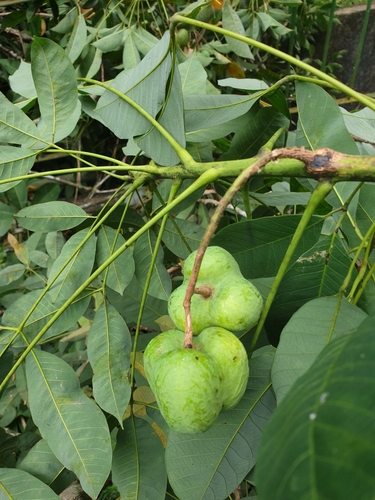
Organisms pictured · Representative pictures of the matched species, not figures from the paper.

Verbatim
e0“Lignin-degrading fungi Trametes and Dichomitus, which are significantly enriched in the diseased rhizosphere, significantly positively correlated with Ganoderma”
t0“rubber tree (Hevea brasiliensis)”
Title
Xiangjia Meng; Haibin Cai; Yongwei Fu; et al. Plant and Soil 2026. doi:10.1007/s11104-026-08408-8
Other claims from this paper (12)
- Observation In diseased rhizosphere soils of rubber trees, bacterial abundance increased significantly.
- Observation In diseased rhizosphere soils of rubber trees, bacterial diversity decreased.
- Observation Fungal diversity in diseased rhizosphere soils showed a declining trend.
- Observation In diseased bulk soils, bacterial richness and fungal diversity both increased markedly.
- Observation Co-occurrence network analysis showed enhanced microbial interaction density, particularly among fungi, in the rhizosphere diseased soil.
- Association Ganoderma was positively correlated with several functional microbial groups such as Bradyrhizobium.
- Association Ganoderma was strongly negatively correlated with biocontrol agents such as Trichoderma and Talaromyces.
- Observation The lignin-degrading fungi Trametes and Dichomitus were significantly enriched in the diseased rhizosphere.
- Observation Metagenomic analysis showed significant enrichment in diseased soils of gene abundances related to latex and lignin degradation, carbon and nitrogen cycling, and fungal signal transduction.
- Observation Defense-related metabolites such as 3-methylsalicylic acid, 5'-glucosyloxy-oxojasmonate and abscisic acid were upregulated in the diseased rhizosphere.
- Observation Plant cell wall-associated components such as ferulic acid were upregulated in the diseased rhizosphere.
- Mechanism The authors conclude that Ganoderma invasion leads to changes in the microbial community assembly process.