Claim · model-written summary
ZR content increased in stems and splitting sites of splitting plants.
- Taxon
- Helianthemum songaricum
 Helianthemum songaricumt0
- Organ / stage
- stem and splitting sitee0
- Outcome
- ite0
- Direction
- increasede0
Not reportedMaterialGeneCompoundInteractorInteractor roleSecond interactorSecond interactor roleTreatmentComparatorSettingValueQualifier
Organisms pictured · Representative pictures of the matched species, not figures from the paper.
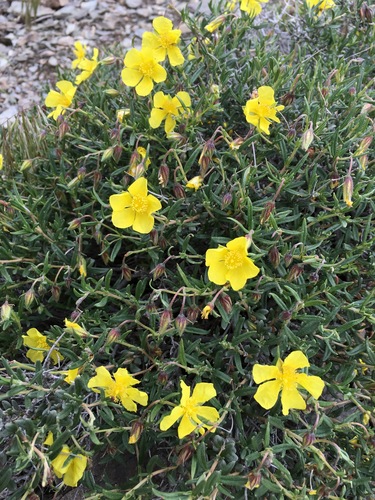
Verbatim
e0“in the stem and splitting site of the splitting plants it increased.”
t0“Helianthemum songaricum”
Title
Yan Xi Ganhanqu ziyuan yu huanjing 2015
Other claims from this paper (14)
- Observation Wild unsplitting tissues other than roots had higher ABA than splitting tissues.
- Observation IAA showed the opposite splitting pattern in wild plants.
- Mechanism IAA accumulation in roots and splitting sites affected cell elongation.
- Observation GA3 content in splitting regions and roots of unsplitting plants was significantly higher, reaching twice that in splitting plants.
- Observation ZR content was highest in roots of splitting plants.
- Mechanism ZR may move toward stems and splitting sites in splitting plants.
- Association IAA and ABA contents rose with age in greenhouse plants.
- Association GA3 and ZR contents did not change significantly with age in greenhouse plants.
- Observation ABA content at splitting sites did not differ significantly between greenhouse and field plants.
- Observation IAA content was highest in roots of greenhouse plants.
- Observation IAA content was highest in leaves of field plants.
- Observation GA3 content did not differ significantly between greenhouse and field plants.
- Observation ZR content in field stems and splitting sites was highest.
- Observation ZR content in other tissues showed no significant difference.