Claim · model-written summary
Diaphania indica population correlated significantly positively with afternoon relative humidity.
- Taxon
- Diaphania indica
 Diaphania indicae0
- Treatment
- afternoon RHe0
- Interactor
- snake gourd
 Trichosanthes cucumerinat0host
- Outcome
- populatione0
- Direction
- positivelye0
- Qualifier
- r=0.60* and 0.59*, respectivelye0
Not reportedMaterialGeneCompoundOrgan / stageSecond interactorSecond interactor roleComparatorSettingValue
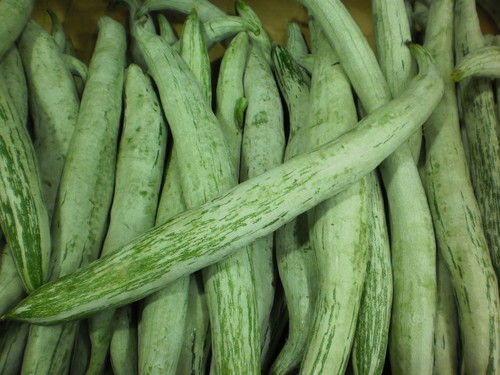
Organisms pictured · Representative pictures of the matched species, not figures from the paper.

Schema note from the model: Three insect species are followed by only two coefficients, so coefficient assignment is unresolved.
Verbatim
e0“leaf miner, Liriomyza trifolii (Burgess) and population of pumpkin caterpillar, Diaphania indica (Saunders) and plume moth, Sphenarches caffer (Zeller) were significantly positively correlated with afternoon RH (r=0.60* and 0.59*, respectively)”
t0“snake gourd”
Title
K.N. Sharath; K.S. Jagadish; K. Muralimohan; et al. Pest Management in Horticultural Ecosystems 2021. doi:10.5958/0974-4541.2021.00009.6
Other claims from this paper (7)
- Observation Snake gourd hosted 17 insect pest species: three Lepidoptera, five Coleoptera, two Diptera and seven Hemiptera.
- Association Anadevidia peponis population correlated positively with morning relative humidity (r=0.69*).
- Association Liriomyza trifolii population correlated significantly positively with afternoon relative humidity.
- Association Sphenarches caffer population correlated significantly positively with afternoon relative humidity.
- Association Aulacophora spp. population correlated positively with total rainfall (r=0.69*).
- Association Leaf hopper species correlated negatively with total rainfall (r=-0.60*).
- Association Nesidiocoris tenuis population correlated negatively with sunshine hours (r=-0.65*).