Claim · model-written summary
Calealactone C showed low cytotoxicity for J774 macrophages, with CC50 of 31.73.
- Taxon
- C. pinnatifida
 Calea pinnatifidae0
- Compound
- calealactone Ce3
- Outcome
- cytotoxicity for J774 macrophagese3
- Value
- 31.73e3
- Qualifier
- lowe3
Not reportedMaterialGeneOrgan / stageInteractorInteractor roleSecond interactorSecond interactor roleTreatmentComparatorSettingDirection
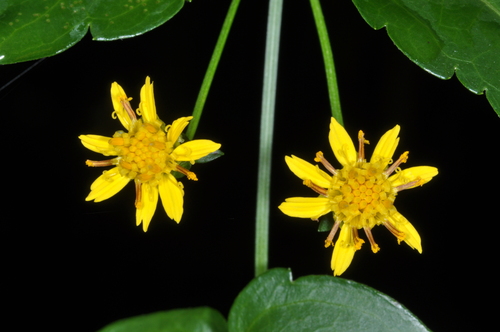
Organisms pictured · Representative pictures of the matched species, not figures from the paper.
Verbatim
e0“In present work, the bioactivity guided fractionation of crude ethanol extract from leaves of C. pinnatifida led to isolation of two sesquiterpene lactones: arucanolide and calealactone C, which structures were established on the basis of spectroscopic analysis”
e3“Additionally, calealactone C presented low cytotoxicity for J774 macrophages (CC50 31.73 µg/mL), similar to positive controls and presented antiamastigote activity with EC50 of 4.24 µg/mL”
Title
P Sartorelli; ML Yoshinaga; MJP Ferreira; et al. Planta Medica 2016. doi:10.1055/s-0036-1596518
Other claims from this paper (5)
- Observation Bioactivity-guided fractionation of Calea pinnatifida leaf extract isolated two sesquiterpene lactones, arucanolide and calealactone C.
- Observation Arucanolide was active against promastigotes of Leishmania amazonensis, with EC50 of 1.7.
- Observation Calealactone C was active against promastigotes of Leishmania amazonensis, with EC50 of 4.6.
- Observation The two compounds caused ultrastructural changes in Leishmania amazonensis promastigotes, with loss of their classical structural morphology.
- Observation Calealactone C showed antiamastigote activity, with EC50 of 4.24.