Claim · model-written summary
Detection rates in bur oak were lower, at 58 to 79%, than in northern pin oak.
- Taxon
- bur oak
 Quercus macrocarpae2
- Interactor
- Bretziella fagacearum
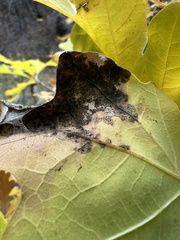 Bretziella fagacearumt0pathogen
- Outcome
- Detection ratese2
- Direction
- lowere2
- Value
- 58 to 79%e2
Not reportedMaterialGeneCompoundOrgan / stageSecond interactorSecond interactor roleTreatmentComparatorSettingQualifier
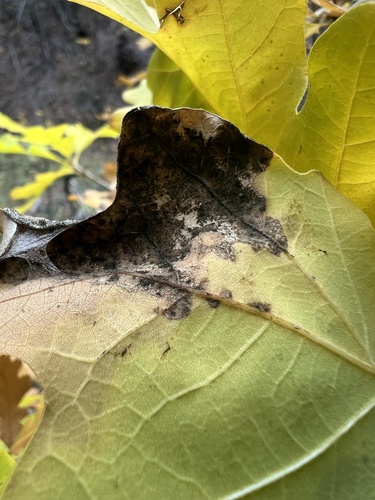
Organisms pictured · Representative pictures of the matched species, not figures from the paper.

Verbatim
e2“Detection rates were similar but lower for bur oak (ranged from 58 to 79%) and white oak (ranged from 54 to 71%) regardless of DNA extraction method”
t0“Nested PCR Detection of Bretziella fagacearum in the Sapwood of Oak Species”
Title
Melanie J. Moore; Jennifer Juzwik; Olga Saiapina; et al. Plant Health Progress 2021. doi:10.1094/php-03-21-0057-rs
Other claims from this paper (3)
- Observation Pathogen detection in northern pin oak was 98 to 100% with the NaOH-based and kit methods.
- Observation Detection rates in white oak were lower, at 54 to 71%.
- Method / resource Alternative NaOH DNA extraction protocols may reduce the time and cost of B. fagacearum detection compared with a commercial kit.