Claim · model-written summary
Season of fire exposure did not significantly affect the germination response of Amorpha georgiana.
- Taxon
- Amorpha georgiana
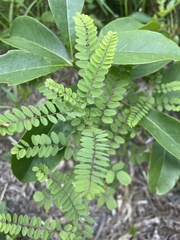 Amorpha georgianat0
- Treatment
- season of fire exposuree6
- Outcome
- germination responsee6
Not reportedMaterialGeneCompoundOrgan / stageInteractorInteractor roleSecond interactorSecond interactor roleComparatorSettingDirectionValueQualifier
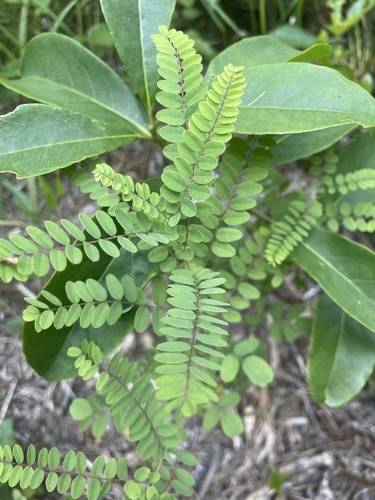
Organisms pictured · Representative pictures of the matched species, not figures from the paper.
Verbatim
t0“Amorpha georgiana”
e6“While season of fire exposure was not significant in our study, we did find consistent negative effects on the germination response”
Title
The role of fruits and fires in the germination of a rare subshrub, Amorpha georgiana (Fabaceae)1
Michael Kunz; Wade A. Wall; Matthew G. Hohmann The Journal of the Torrey Botanical Society 2020. doi:10.3159/torrey-d-19-00046.1
Other claims from this paper (9)
- Intervention effect Brief exposure to hot water (94 °C) gave significantly higher germination of Amorpha georgiana seeds than all other temperatures and treatments assessed.
- Association Seeds of Amorpha georgiana have low germination when retained in their pods, regardless of treatment.
- Observation The pod is not the cause of physical dormancy in Amorpha georgiana.
- Association Enclosure within an indehiscent pod affects dormancy release and germination of Amorpha georgiana (direction not stated).
- Association Exposure to pyrogenic temperatures (> 80 °C) affects dormancy release and germination of Amorpha georgiana (direction not stated).
- Intervention effect Germination of Amorpha georgiana increased 3.5-fold at pyrogenic temperatures.
- Observation Consistent negative effects on the germination response of Amorpha georgiana were found (the factor is not named in the abstract).
- Recommendation Pulses of heat from periodic growing season fires are likely necessary to promote recruitment and maintain populations of this rare species.
- Mechanism The 3.5-fold germination increase at pyrogenic temperatures suggests Amorpha georgiana is highly fire-adapted and fits obligate pyrogenic dormancy release.