Claim · model-written summary
The 3.5-fold germination increase at pyrogenic temperatures suggests Amorpha georgiana is highly fire-adapted and fits obligate pyrogenic dormancy release.
- Taxon
- Amorpha georgiana
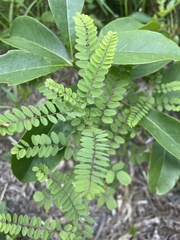 Amorpha georgianat0
- Outcome
- highly fire-adaptede1
- Qualifier
- obligate pyrogenic dormancy releasee1
Not reportedMaterialGeneCompoundOrgan / stageInteractorInteractor roleSecond interactorSecond interactor roleTreatmentComparatorSettingDirectionValue
Organisms pictured · Representative pictures of the matched species, not figures from the paper.
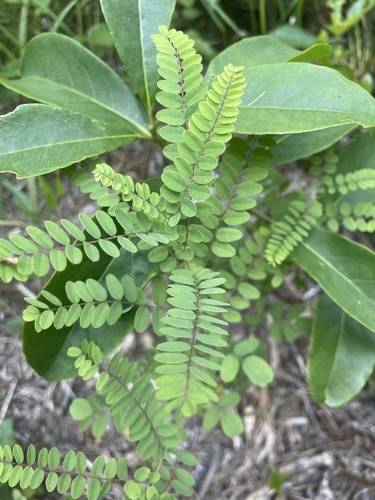
Verbatim
t0“Amorpha georgiana”
e1“The 3.5-fold increase in germination at pyrogenic temperatures suggests the response is highly fire-adapted and fits the definition of obligate pyrogenic dormancy release”
Title
The role of fruits and fires in the germination of a rare subshrub, Amorpha georgiana (Fabaceae)1
Michael Kunz; Wade A. Wall; Matthew G. Hohmann The Journal of the Torrey Botanical Society 2020. doi:10.3159/torrey-d-19-00046.1
Other claims from this paper (9)
- Intervention effect Brief exposure to hot water (94 °C) gave significantly higher germination of Amorpha georgiana seeds than all other temperatures and treatments assessed.
- Association Seeds of Amorpha georgiana have low germination when retained in their pods, regardless of treatment.
- Observation The pod is not the cause of physical dormancy in Amorpha georgiana.
- Association Enclosure within an indehiscent pod affects dormancy release and germination of Amorpha georgiana (direction not stated).
- Association Exposure to pyrogenic temperatures (> 80 °C) affects dormancy release and germination of Amorpha georgiana (direction not stated).
- Intervention effect Germination of Amorpha georgiana increased 3.5-fold at pyrogenic temperatures.
- Association Season of fire exposure did not significantly affect the germination response of Amorpha georgiana.
- Observation Consistent negative effects on the germination response of Amorpha georgiana were found (the factor is not named in the abstract).
- Recommendation Pulses of heat from periodic growing season fires are likely necessary to promote recruitment and maintain populations of this rare species.