Claim · model-written summary
Caryophyllene was a major constituent in all extracts.
- Taxon
- Plagiochasma appendiculatum
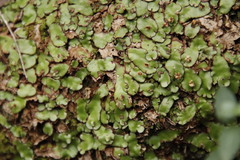 Plagiochasma appendiculatumt0
- Outcome
- caryophyllenee5
- Qualifier
- as major constituents in all extractse5
Not reportedMaterialGeneCompoundOrgan / stageInteractorInteractor roleSecond interactorSecond interactor roleTreatmentComparatorSettingDirectionValue
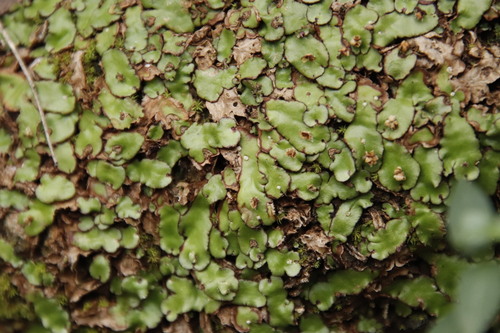
Organisms pictured · Representative pictures of the matched species, not figures from the paper.
Verbatim
t0“Plagiochasma appendiculatum”
e5“GC–MS analysis identified hexadecanoic acid, methyl ester, and β‐caryophyllene as major constituents in all extracts, while heneicosane was particularly prominent in PAHE”
Title
Green Solutions With Plagiochasma appendiculatum : Nutraceutical and Pesticidal Potentials
Tanuja Kabdal; Om Prakash; Shailja Singh; et al. Chemistry & Biodiversity 2026. doi:10.1002/cbdv.202502977
Other claims from this paper (10)
- Observation Methanol extract PAME showed 90.35% DPPH radical scavenging at 500 µg/mL, the strongest antioxidant activity among extracts.
- Observation PAME showed 86.58% metal chelating activity at 500 µg/mL.
- Observation PAME showed 80.56% H2O2 scavenging at 500 µg/mL.
- Observation PAME inhibited 95.31% of Meloidogyne incognita egg hatching at 1000 µg/mL after 96 h.
- Observation PAME caused 67.49% juvenile mortality of Meloidogyne incognita at 1000 µg/mL after 96 h.
- Observation PAME had the highest nematicidal efficacy among the tested extracts against Meloidogyne incognita.
- Observation The extract caused complete (100%) inhibition of seed germination, root and shoot growth at the same concentration.
- Association Sustained bioactivity over extended exposure periods suggests prolonged pesticidal effectiveness.
- Observation Hexadecanoic acid, methyl ester was a major constituent in all extracts.
- Observation Heneicosane was particularly prominent in the hexane extract PAHE.