Abstract
ABSTRACT The growing demand for safe nutraceuticals and eco‐friendly pesticides has intensified the search for plant‐based bioactive compounds. In this context, the present study investigated the phytochemical composition, antioxidant potential, and pesticidal activities of Plagiochasma appendiculatum extracts, hexane (PAHE), dichloromethane (PADE), and methanol (PAME) to evaluate their therapeutic and sustainable agricultural relevance. GC–MS analysis identified hexadecanoic acid, methyl ester, and β‐caryophyllene as major constituents in all extracts, while heneicosane was particularly prominent in PAHE. Among the tested extracts, PAME exhibited the strongest antioxidant activity, showing 90.35% DPPH radical scavenging, 86.58% metal chelating activity, and 80.56% H 2 O 2 scavenging at 500 µg/mL, followed by PADE. In nematicidal assays against Meloidogyne incognita , PAME demonstrated the highest efficacy with 95.31% egg hatching inhibition and 67.49% juvenile mortality at 1000 µg/mL after 96 h. Herbicidal assays further revealed complete (100%) inhibition of seed germination, root, and shoot growth at the same concentration. Sustained bioactivity over extended exposure periods suggests prolonged pesticidal effectiveness. Overall, these findings underscore the significance of P. appendiculatum , particularly its methanol extract, as a promising natural source of antioxidant and pesticidal agents, supporting its potential development as a nutraceutical and environmentally sustainable alternative to synthetic agrochemicals.
Abstract from the paper’s OpenAlex record, shown for indexing and research. Copyright remains with the authors or the publisher. Read at the source ↗
The text the model read, with the source record’s inline markup (italics, sub- and superscripts) rendered and its character entities decoded; quote offsets refer to the raw text.
Claims 11
Claim · model-written summary
Methanol extract PAME showed 90.35% DPPH radical scavenging at 500 µg/mL, the strongest antioxidant activity among extracts.
- Taxon
- Plagiochasma appendiculatum
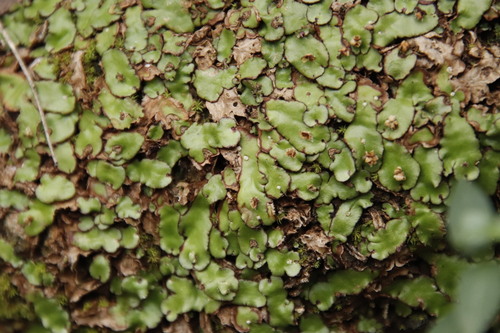
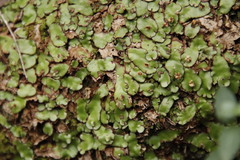 Plagiochasma appendiculatumt0
- Treatment
- PAMEe1
- Outcome
- DPPH radical scavenginge1
- Direction
- strongeste1
- Value
- 90.35%e1
- Qualifier
- at 500 µg/mLe1
Organisms pictured · Representative pictures of the matched species, not figures from the paper.
Verbatim
t0“Plagiochasma appendiculatum”
e1“PAME exhibited the strongest antioxidant activity, showing 90.35% DPPH radical scavenging, 86.58% metal chelating activity, and 80.56% H 2 O 2 scavenging at 500 µg/mL”
Claim · model-written summary
PAME showed 86.58% metal chelating activity at 500 µg/mL.
- Taxon
- Plagiochasma appendiculatumPlagiochasma appendiculatumt0
- Treatment
- PAMEe1
- Outcome
- metal chelating activitye1
- Value
- 86.58%e1
- Qualifier
- at 500 µg/mLe1
Organisms pictured · Representative pictures of the matched species, not figures from the paper.
Verbatim
t0“Plagiochasma appendiculatum”
e1“PAME exhibited the strongest antioxidant activity, showing 90.35% DPPH radical scavenging, 86.58% metal chelating activity, and 80.56% H 2 O 2 scavenging at 500 µg/mL”
Claim · model-written summary
PAME showed 80.56% H2O2 scavenging at 500 µg/mL.
- Taxon
- Plagiochasma appendiculatumPlagiochasma appendiculatumt0
- Treatment
- PAMEe1
- Outcome
- H 2 O 2 scavenginge1
- Value
- 80.56%e1
- Qualifier
- at 500 µg/mLe1
Organisms pictured · Representative pictures of the matched species, not figures from the paper.
Verbatim
t0“Plagiochasma appendiculatum”
e1“PAME exhibited the strongest antioxidant activity, showing 90.35% DPPH radical scavenging, 86.58% metal chelating activity, and 80.56% H 2 O 2 scavenging at 500 µg/mL”
Claim · model-written summary
PAME inhibited 95.31% of Meloidogyne incognita egg hatching at 1000 µg/mL after 96 h.
- Taxon
- Plagiochasma appendiculatumPlagiochasma appendiculatumt0
- Treatment
- PAMEe2
- Interactor
- Meloidogyne incognita
 Meloidogyne incognitae2pest
- Outcome
- egg hatching inhibitione2
- Value
- 95.31%e2
- Qualifier
- at 1000 µg/mL after 96 he2
Organisms pictured · Representative pictures of the matched species, not figures from the paper.

Verbatim
t0“Plagiochasma appendiculatum”
e2“In nematicidal assays against Meloidogyne incognita , PAME demonstrated the highest efficacy with 95.31% egg hatching inhibition and 67.49% juvenile mortality at 1000 µg/mL after 96 h”
Claim · model-written summary
PAME caused 67.49% juvenile mortality of Meloidogyne incognita at 1000 µg/mL after 96 h.
- Taxon
- Plagiochasma appendiculatumPlagiochasma appendiculatumt0
- Treatment
- PAMEe2
- Interactor
- Meloidogyne incognitaMeloidogyne incognitae2pest
- Outcome
- juvenile mortalitye2
- Value
- 67.49%e2
- Qualifier
- at 1000 µg/mL after 96 he2
Organisms pictured · Representative pictures of the matched species, not figures from the paper.
Verbatim
t0“Plagiochasma appendiculatum”
e2“In nematicidal assays against Meloidogyne incognita , PAME demonstrated the highest efficacy with 95.31% egg hatching inhibition and 67.49% juvenile mortality at 1000 µg/mL after 96 h”
Claim · model-written summary
PAME had the highest nematicidal efficacy among the tested extracts against Meloidogyne incognita.
- Taxon
- Plagiochasma appendiculatumPlagiochasma appendiculatumt0
- Treatment
- PAMEe2
- Interactor
- Meloidogyne incognitaMeloidogyne incognitae2pest
- Outcome
- efficacye2
- Direction
- higheste2
Organisms pictured · Representative pictures of the matched species, not figures from the paper.
Verbatim
t0“Plagiochasma appendiculatum”
e2“In nematicidal assays against Meloidogyne incognita , PAME demonstrated the highest efficacy with 95.31% egg hatching inhibition and 67.49% juvenile mortality at 1000 µg/mL after 96 h”
Claim · model-written summary
The extract caused complete (100%) inhibition of seed germination, root and shoot growth at the same concentration.
- Taxon
- Plagiochasma appendiculatumPlagiochasma appendiculatumt0
- Outcome
- seed germination, root, and shoot growthe3
- Direction
- completee3
- Value
- 100%e3
- Qualifier
- at the same concentratione3
Organisms pictured · Representative pictures of the matched species, not figures from the paper.
Verbatim
t0“Plagiochasma appendiculatum”
e3“Herbicidal assays further revealed complete (100%) inhibition of seed germination, root, and shoot growth at the same concentration”
Claim · model-written summary
Sustained bioactivity over extended exposure periods suggests prolonged pesticidal effectiveness.
- Taxon
- Plagiochasma appendiculatumPlagiochasma appendiculatumt0
- Treatment
- extended exposure periodse4
- Outcome
- prolonged pesticidal effectivenesse4
Not reportedDirection
Organisms pictured · Representative pictures of the matched species, not figures from the paper.
Verbatim
t0“Plagiochasma appendiculatum”
e4“Sustained bioactivity over extended exposure periods suggests prolonged pesticidal effectiveness”
Claim · model-written summary
Hexadecanoic acid, methyl ester was a major constituent in all extracts.
- Taxon
- Plagiochasma appendiculatumPlagiochasma appendiculatumt0
- Outcome
- hexadecanoic acid, methyl estere5
- Qualifier
- as major constituents in all extractse5
Not reportedDirection
Organisms pictured · Representative pictures of the matched species, not figures from the paper.
Verbatim
t0“Plagiochasma appendiculatum”
e5“GC–MS analysis identified hexadecanoic acid, methyl ester, and β‐caryophyllene as major constituents in all extracts, while heneicosane was particularly prominent in PAHE”
Claim · model-written summary
Caryophyllene was a major constituent in all extracts.
- Taxon
- Plagiochasma appendiculatumPlagiochasma appendiculatumt0
- Outcome
- caryophyllenee5
- Qualifier
- as major constituents in all extractse5
Not reportedDirection
Organisms pictured · Representative pictures of the matched species, not figures from the paper.
Verbatim
t0“Plagiochasma appendiculatum”
e5“GC–MS analysis identified hexadecanoic acid, methyl ester, and β‐caryophyllene as major constituents in all extracts, while heneicosane was particularly prominent in PAHE”
Claim · model-written summary
Heneicosane was particularly prominent in the hexane extract PAHE.
- Taxon
- Plagiochasma appendiculatumPlagiochasma appendiculatumt0
- Outcome
- heneicosanee5
- Qualifier
- particularly prominent in PAHEe5
Not reportedDirection
Organisms pictured · Representative pictures of the matched species, not figures from the paper.
Verbatim
t0“Plagiochasma appendiculatum”
e5“GC–MS analysis identified hexadecanoic acid, methyl ester, and β‐caryophyllene as major constituents in all extracts, while heneicosane was particularly prominent in PAHE”