Abstract
The increase of atmospheric CO2 due to global climate change or horticultural practices has direct and indirect effects on food crop quality. One question that needs to be asked, is whether CO2 enrichment affects the nutritional quality of Malaysian young ginger plants. Responses of total carbohydrate, fructose, glucose, sucrose, protein, soluble amino acids and antinutrients to either ambient (400 μmol/mol) and elevated (800 μmol/mol) CO2 treatments were determined in the leaf and rhizome of two ginger varieties namely Halia Bentong and Halia Bara. Increasing of CO2 level from ambient to elevated resulted in increased content of total carbohydrate, sucrose, glucose, and fructose in the leaf and rhizome of ginger varieties. Sucrose was the major sugar followed by glucose and fructose in the leaf and rhizome extract of both varieties. Elevated CO2 resulted in a reduction of total protein content in the leaf (H. Bentong: 38.0%; H. Bara: 35.4%) and rhizome (H. Bentong: 29.0%; H. Bara: 46.2%). In addition, under CO2 enrichment, the concentration of amino acids increased by approximately 14.5% and 98.9% in H. Bentong and 12.0% and 110.3% in H. Bara leaf and rhizome, respectively. The antinutrient contents (cyanide and tannin) except phytic acid were influenced significantly (P ≤ 0.05) by CO2 concentration. Leaf extract of H. Bara exposed to elevated CO2 exhibited highest content of cyanide (336.1 mg HCN/kg DW), while, highest content of tannin (27.5 g/kg DW) and phytic acid (54.1 g/kg DW) were recorded from H.Bara rhizome grown under elevated CO2. These results demonstrate that the CO2 enrichment technique could improve content of some amino acids and antinutrients of ginger as a food crop by enhancing its nutritional and health-promoting properties.
Abstract from the paper’s OpenAlex record; open copy licensed cc-by. Read at the source ↗
The text the model read, with the source record’s inline markup (italics, sub- and superscripts) rendered and its character entities decoded; quote offsets refer to the raw text.
Claims 19
Claim · model-written summary
Elevated CO2 increased total carbohydrate in ginger leaves and rhizomes.
- Taxon
- Zingiber officinale Roscoe
 Zingiber officinalet0
- Organ / stage
- leaf and rhizomee0
- Treatment
- elevatede0
- Outcome
- total carbohydratee0
- Direction
- increasede0
- Comparator
- ambiente0
Organisms pictured · Representative pictures of the matched species, not figures from the paper.
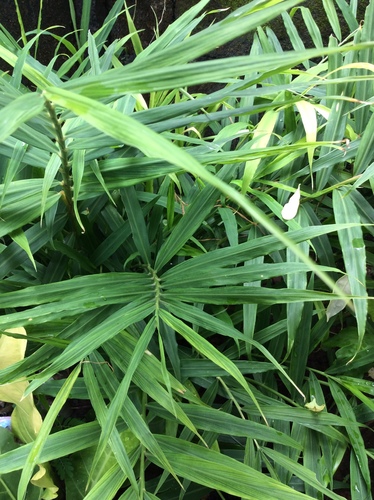
Verbatim
t0“Young Ginger (Zingiber officinale Roscoe)”
e0“Increasing of CO2 level from ambient to elevated resulted in increased content of total carbohydrate, sucrose, glucose, and fructose in the leaf and rhizome of ginger varieties.”
Claim · model-written summary
Elevated CO2 increased sucrose in ginger leaves and rhizomes.
- Taxon
- Zingiber officinale RoscoeZingiber officinalet0
- Organ / stage
- leaf and rhizomee0
- Treatment
- elevatede0
- Outcome
- sucrosee0
- Direction
- increasede0
- Comparator
- ambiente0
Organisms pictured · Representative pictures of the matched species, not figures from the paper.
Verbatim
t0“Young Ginger (Zingiber officinale Roscoe)”
e0“Increasing of CO2 level from ambient to elevated resulted in increased content of total carbohydrate, sucrose, glucose, and fructose in the leaf and rhizome of ginger varieties.”
Claim · model-written summary
Elevated CO2 increased glucose in ginger leaves and rhizomes.
- Taxon
- Zingiber officinale RoscoeZingiber officinalet0
- Organ / stage
- leaf and rhizomee0
- Treatment
- elevatede0
- Outcome
- glucosee0
- Direction
- increasede0
- Comparator
- ambiente0
Organisms pictured · Representative pictures of the matched species, not figures from the paper.
Verbatim
t0“Young Ginger (Zingiber officinale Roscoe)”
e0“Increasing of CO2 level from ambient to elevated resulted in increased content of total carbohydrate, sucrose, glucose, and fructose in the leaf and rhizome of ginger varieties.”
Claim · model-written summary
Elevated CO2 increased fructose in ginger leaves and rhizomes.
- Taxon
- Zingiber officinale RoscoeZingiber officinalet0
- Organ / stage
- leaf and rhizomee0
- Treatment
- elevatede0
- Outcome
- fructosee0
- Direction
- increasede0
- Comparator
- ambiente0
Organisms pictured · Representative pictures of the matched species, not figures from the paper.
Verbatim
t0“Young Ginger (Zingiber officinale Roscoe)”
e0“Increasing of CO2 level from ambient to elevated resulted in increased content of total carbohydrate, sucrose, glucose, and fructose in the leaf and rhizome of ginger varieties.”
Claim · model-written summary
Sucrose was the major sugar, followed by glucose and fructose, in leaf and rhizome extracts of both ginger varieties.
- Taxon
- Zingiber officinale RoscoeZingiber officinalet0
- Organ / stage
- leaf and rhizomee0
- Outcome
- Sucrose was the major sugar followed by glucose and fructosee0
Organisms pictured · Representative pictures of the matched species, not figures from the paper.
Verbatim
t0“Young Ginger (Zingiber officinale Roscoe)”
e0“Sucrose was the major sugar followed by glucose and fructose in the leaf and rhizome extract of both varieties.”
Claim · model-written summary
Elevated CO2 reduced leaf protein in Halia Bentong by 38.0%.
- Taxon
- Zingiber officinale RoscoeZingiber officinalet0
- Material
- H. Bentonge0
- Organ / stage
- leafe0
- Treatment
- elevatede0
- Outcome
- total protein contente0
- Direction
- reductione0
- Value
- 38.0%e0
Not reportedComparator
Organisms pictured · Representative pictures of the matched species, not figures from the paper.
Verbatim
t0“Young Ginger (Zingiber officinale Roscoe)”
e0“Elevated CO2 resulted in a reduction of total protein content in the leaf (H. Bentong: 38.0%; H. Bara: 35.4%) and rhizome (H. Bentong: 29.0%; H. Bara: 46.2%).”
Claim · model-written summary
Elevated CO2 reduced leaf protein in Halia Bara by 35.4%.
- Taxon
- Zingiber officinale RoscoeZingiber officinalet0
- Material
- H. Barae0
- Organ / stage
- leafe0
- Treatment
- elevatede0
- Outcome
- total protein contente0
- Direction
- reductione0
- Value
- 35.4%e0
Not reportedComparator
Organisms pictured · Representative pictures of the matched species, not figures from the paper.
Verbatim
t0“Young Ginger (Zingiber officinale Roscoe)”
e0“Elevated CO2 resulted in a reduction of total protein content in the leaf (H. Bentong: 38.0%; H. Bara: 35.4%) and rhizome (H. Bentong: 29.0%; H. Bara: 46.2%).”
Claim · model-written summary
Elevated CO2 reduced rhizome protein in Halia Bentong by 29.0%.
- Taxon
- Zingiber officinale RoscoeZingiber officinalet0
- Material
- H. Bentonge0
- Organ / stage
- rhizomee0
- Treatment
- elevatede0
- Outcome
- total protein contente0
- Direction
- reductione0
- Value
- 29.0%e0
Not reportedComparator
Organisms pictured · Representative pictures of the matched species, not figures from the paper.
Verbatim
t0“Young Ginger (Zingiber officinale Roscoe)”
e0“Elevated CO2 resulted in a reduction of total protein content in the leaf (H. Bentong: 38.0%; H. Bara: 35.4%) and rhizome (H. Bentong: 29.0%; H. Bara: 46.2%).”
Claim · model-written summary
Elevated CO2 reduced rhizome protein in Halia Bara by 46.2%.
- Taxon
- Zingiber officinale RoscoeZingiber officinalet0
- Material
- H. Barae0
- Organ / stage
- rhizomee0
- Treatment
- elevatede0
- Outcome
- total protein contente0
- Direction
- reductione0
- Value
- 46.2%e0
Not reportedComparator
Organisms pictured · Representative pictures of the matched species, not figures from the paper.
Verbatim
t0“Young Ginger (Zingiber officinale Roscoe)”
e0“Elevated CO2 resulted in a reduction of total protein content in the leaf (H. Bentong: 38.0%; H. Bara: 35.4%) and rhizome (H. Bentong: 29.0%; H. Bara: 46.2%).”
Claim · model-written summary
CO2 enrichment increased Halia Bentong leaf amino acids by approximately 14.5%.
- Taxon
- Zingiber officinale RoscoeZingiber officinalet0
- Material
- H. Bentonge0
- Organ / stage
- leafe0
- Treatment
- CO2 enrichmente0
- Outcome
- concentration of amino acidse0
- Direction
- increasede0
- Value
- 14.5%e0
Not reportedComparator
Organisms pictured · Representative pictures of the matched species, not figures from the paper.
Verbatim
t0“Young Ginger (Zingiber officinale Roscoe)”
e0“under CO2 enrichment, the concentration of amino acids increased by approximately 14.5% and 98.9% in H. Bentong and 12.0% and 110.3% in H. Bara leaf and rhizome, respectively.”
Claim · model-written summary
CO2 enrichment increased Halia Bentong rhizome amino acids by approximately 98.9%.
- Taxon
- Zingiber officinale RoscoeZingiber officinalet0
- Material
- H. Bentonge0
- Organ / stage
- rhizomee0
- Treatment
- CO2 enrichmente0
- Outcome
- concentration of amino acidse0
- Direction
- increasede0
- Value
- 98.9%e0
Not reportedComparator
Organisms pictured · Representative pictures of the matched species, not figures from the paper.
Verbatim
t0“Young Ginger (Zingiber officinale Roscoe)”
e0“under CO2 enrichment, the concentration of amino acids increased by approximately 14.5% and 98.9% in H. Bentong and 12.0% and 110.3% in H. Bara leaf and rhizome, respectively.”
Claim · model-written summary
CO2 enrichment increased Halia Bara leaf amino acids by approximately 12.0%.
- Taxon
- Zingiber officinale RoscoeZingiber officinalet0
- Material
- H. Barae0
- Organ / stage
- leafe0
- Treatment
- CO2 enrichmente0
- Outcome
- concentration of amino acidse0
- Direction
- increasede0
- Value
- 12.0%e0
Not reportedComparator
Organisms pictured · Representative pictures of the matched species, not figures from the paper.
Verbatim
t0“Young Ginger (Zingiber officinale Roscoe)”
e0“under CO2 enrichment, the concentration of amino acids increased by approximately 14.5% and 98.9% in H. Bentong and 12.0% and 110.3% in H. Bara leaf and rhizome, respectively.”
Claim · model-written summary
CO2 enrichment increased Halia Bara rhizome amino acids by approximately 110.3%.
- Taxon
- Zingiber officinale RoscoeZingiber officinalet0
- Material
- H. Barae0
- Organ / stage
- rhizomee0
- Treatment
- CO2 enrichmente0
- Outcome
- concentration of amino acidse0
- Direction
- increasede0
- Value
- 110.3%e0
Not reportedComparator
Organisms pictured · Representative pictures of the matched species, not figures from the paper.
Verbatim
t0“Young Ginger (Zingiber officinale Roscoe)”
e0“under CO2 enrichment, the concentration of amino acids increased by approximately 14.5% and 98.9% in H. Bentong and 12.0% and 110.3% in H. Bara leaf and rhizome, respectively.”
Claim · model-written summary
CO2 concentration significantly influenced ginger cyanide content.
- Taxon
- Zingiber officinale RoscoeZingiber officinalet0
- Treatment
- CO2 concentratione0
- Outcome
- cyanidee0
Not reportedComparatorDirection
Organisms pictured · Representative pictures of the matched species, not figures from the paper.
Verbatim
t0“Young Ginger (Zingiber officinale Roscoe)”
e0“The antinutrient contents (cyanide and tannin) except phytic acid were influenced significantly (P ≤ 0.05) by CO2 concentration.”
Claim · model-written summary
CO2 concentration significantly influenced ginger tannin content.
- Taxon
- Zingiber officinale RoscoeZingiber officinalet0
- Treatment
- CO2 concentratione0
- Outcome
- tannine0
Not reportedComparatorDirection
Organisms pictured · Representative pictures of the matched species, not figures from the paper.
Verbatim
t0“Young Ginger (Zingiber officinale Roscoe)”
e0“The antinutrient contents (cyanide and tannin) except phytic acid were influenced significantly (P ≤ 0.05) by CO2 concentration.”
Claim · model-written summary
Phytic acid content was the exception to the significant CO2 response.
- Taxon
- Zingiber officinale RoscoeZingiber officinalet0
- Treatment
- CO2 concentratione0
- Outcome
- phytic acide0
Not reportedComparatorDirection
Organisms pictured · Representative pictures of the matched species, not figures from the paper.
Verbatim
t0“Young Ginger (Zingiber officinale Roscoe)”
e0“The antinutrient contents (cyanide and tannin) except phytic acid were influenced significantly (P ≤ 0.05) by CO2 concentration.”
Claim · model-written summary
Elevated CO2 produced the highest cyanide content, 336.1 mg HCN/kg DW, in Halia Bara leaves.
- Taxon
- Zingiber officinale RoscoeZingiber officinalet0
- Material
- H. Barae0
- Organ / stage
- Leafe0
- Treatment
- elevated CO2e0
- Outcome
- content of cyanidee0
- Direction
- higheste0
- Value
- 336.1 mg HCN/kg DWe0
Not reportedComparator
Organisms pictured · Representative pictures of the matched species, not figures from the paper.
Verbatim
t0“Young Ginger (Zingiber officinale Roscoe)”
e0“Leaf extract of H. Bara exposed to elevated CO2 exhibited highest content of cyanide (336.1 mg HCN/kg DW)”
Claim · model-written summary
Elevated CO2 produced the highest tannin content, 27.5 g/kg DW, in Halia Bara rhizomes.
- Taxon
- Zingiber officinale RoscoeZingiber officinalet0
- Material
- H.Barae0
- Organ / stage
- rhizomee0
- Treatment
- elevated CO2e0
- Outcome
- content of tannine0
- Direction
- higheste0
- Value
- 27.5 g/kg DWe0
Not reportedComparator
Organisms pictured · Representative pictures of the matched species, not figures from the paper.
Verbatim
t0“Young Ginger (Zingiber officinale Roscoe)”
e0“highest content of tannin (27.5 g/kg DW) and phytic acid (54.1 g/kg DW) were recorded from H.Bara rhizome grown under elevated CO2.”
Claim · model-written summary
Elevated CO2 produced the highest phytic acid content, 54.1 g/kg DW, in Halia Bara rhizomes.
- Taxon
- Zingiber officinale RoscoeZingiber officinalet0
- Material
- H.Barae0
- Organ / stage
- rhizomee0
- Treatment
- elevated CO2e0
- Outcome
- phytic acide0
- Direction
- higheste0
- Value
- 54.1 g/kg DWe0
Not reportedComparator
Organisms pictured · Representative pictures of the matched species, not figures from the paper.
Verbatim
t0“Young Ginger (Zingiber officinale Roscoe)”
e0“highest content of tannin (27.5 g/kg DW) and phytic acid (54.1 g/kg DW) were recorded from H.Bara rhizome grown under elevated CO2.”
The same questions in other papers
co2 · molecular: metabolites · Zingiber officinale (ginger)Results agree
1 paper in the same direction as this paper
- positive
co2 · quality: phytochemicals · Zingiber officinale (ginger)Results agree
2 papers in the same direction as this paper
- positive
- positive
Claims are grouped by organism, treatment and what was measured or targeted. A paper counts as positive when any of its claims in the group is positive.