Abstract
Abstract Seventy‐six samples of barley embracing 14 varieties grown under various conditions of nitrogen fertilisation in different locations in the U.K. were examined for nitrogen content and 14 samples were analysed for their total content of amino acids other than tryptophan. Top dressing with nitrogenous fertilisers during growth resulted in the production of grain with a higher nitrogen content as well as an increased overall yield of nitrogen/hectare. The growth locality had a greater effect upon the nitrogen content of the harvested seed than did the application of nitrogen to the growing crop. Lysine content was inversely proportional to crude protein content for barleys containing between 8 and 11% crude protein and, in consequence, within this range the yield of lysine/ton of grain was of the same order.
Abstract from the paper’s OpenAlex record, shown for indexing and research. Copyright remains with the authors or the publisher. Read at the source ↗
The text the model read, with the source record’s inline markup (italics, sub- and superscripts) rendered and its character entities decoded; quote offsets refer to the raw text.
Claims 5
Claim · model-written summary
Nitrogen top dressing increased barley grain nitrogen content.
- Taxon
- barley
 Hordeum vulgaret0
- Treatment
- Top dressing with nitrogenous fertiliserse0
- Outcome
- nitrogen contente0
- Direction
- highere0
Not reportedComparator
Organisms pictured · Representative pictures of the matched species, not figures from the paper.

Verbatim
e0“Top dressing with nitrogenous fertilisers during growth resulted in the production of grain with a higher nitrogen content as well as an increased overall yield of nitrogen/hectare”
t0“barley”
Claim · model-written summary
Nitrogen top dressing increased overall nitrogen yield per hectare.
- Taxon
- barleyHordeum vulgaret0
- Treatment
- Top dressing with nitrogenous fertiliserse0
- Outcome
- yield of nitrogen/hectaree0
- Direction
- increasede0
Not reportedComparator
Organisms pictured · Representative pictures of the matched species, not figures from the paper.
Verbatim
e0“Top dressing with nitrogenous fertilisers during growth resulted in the production of grain with a higher nitrogen content as well as an increased overall yield of nitrogen/hectare”
t0“barley”
Claim · model-written summary
Growth locality affected harvested seed nitrogen content more than nitrogen application.
- Taxon
- barleyHordeum vulgaret0
- Outcome
- nitrogen content of the harvested seede0
- Direction
- greatere0
- Comparator
- application of nitrogene0
- Setting
- growth localitye0
Organisms pictured · Representative pictures of the matched species, not figures from the paper.
Verbatim
e0“The growth locality had a greater effect upon the nitrogen content of the harvested seed than did the application of nitrogen to the growing crop”
t0“barley”
Claim · model-written summary
Lysine content varied inversely with crude protein content in barley containing 8 to 11% crude protein.
- Compound
- crude proteine0
- Outcome
- Lysine contente0
- Direction
- inversely proportionale0
- Qualifier
- between 8 and 11% crude proteine0
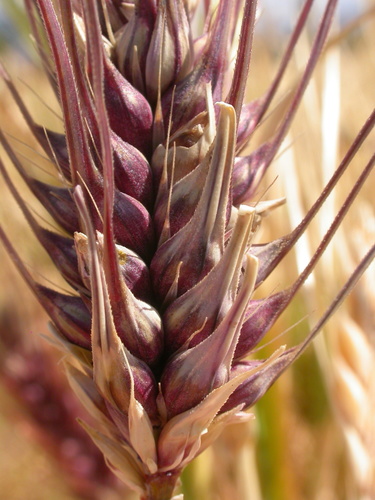
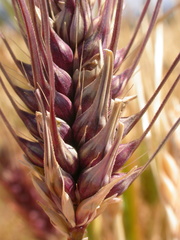 Hordeum
Organisms pictured · Representative pictures of the matched species, not figures from the paper.
Verbatim
e0“Lysine content was inversely proportional to crude protein content for barleys containing between 8 and 11% crude protein”
Claim · model-written summary
Within that protein range, lysine yield per ton of grain was of the same order.
- Taxon
- barleyHordeum vulgaret0
- Outcome
- yield of lysine/ton of graine0
- Direction
- same ordere0
- Qualifier
- within this rangee0
Organisms pictured · Representative pictures of the matched species, not figures from the paper.
Verbatim
e0“within this range the yield of lysine/ton of grain was of the same order”
t0“barley”
The same questions in other papers
fertilization · nutrient: content · Hordeum vulgare (barley)Positive and negative results
95 papers in the same direction as this paper · 21 in the opposite direction · 3 reporting no difference from an alternative
- positive
- no effect
- no effect
116 papers more in this group
See all 120 papers →fertilization · yield · Hordeum vulgare (barley)Positive and negative results
472 papers in the same direction as this paper · 66 in the opposite direction · 11 reporting no difference from an alternative
- positive
- no effect
- negative
546 papers more in this group
See all 550 papers →Claims are grouped by organism, treatment and what was measured or targeted. A paper counts as positive when any of its claims in the group is positive.