Abstract
Cultured parsley (Petroselinum crispum) cells respond to treatment with elicitors derived from different species of the genus Phytophthora with transcript accumulation of defense-associated genes and the production of furanocoumarin phytoalexins. Pep-25, an oligopeptide fragment of a Phytophthora sojae 42-kDa cell wall protein, and a cell wall elicitor preparation derived from Phytophthora parasitica (Pp-elicitor) stimulate accumulation of the same gene transcripts and formation of the same pattern of furanocoumarins. Treatment of cultured cells and protoplasts with proteinase-digested Pp-elicitor identified proteinaceous constituents as active eliciting compounds in parsley. Similar to Pep- 25, Pp-elicitor induced effluxes of K+ and Cl- and influxes of protons and Ca2+. Concomitantly, as monitored in aequorin-transgenic parsley cell lines both elicitors induced an immediate increase in the cytoplasmic Ca2+ concentration up to sustained levels of 175 nM (Pp-elicitor) or 300 nM (Pep-25), respectively. The signature of the Ca2+ response differed greatly between the two elicitors tested. Extracellular Ca2+ proved essential for activation of an oxidative burst, MAP kinase activity and phytoalexin production by either elicitor. While Pp-elicitor induced a qualitatively similar spectrum of defense responses as did Pep-25, elicitor-specific quantitative differences in response intensity and kinetics suggest activation of a conserved signaling cascade through separate ligand binding sites.
Abstract from the paper’s OpenAlex record, shown for indexing and research. Copyright remains with the authors or the publisher. Read at the source ↗
The text the model read, with the source record’s inline markup (italics, sub- and superscripts) rendered and its character entities decoded; quote offsets refer to the raw text.
Claims 10
Claim · model-written summary
Pep-25 stimulated defense transcript accumulation and the same furanocoumarin pattern as Pp-elicitor.
- Taxon
- parsley
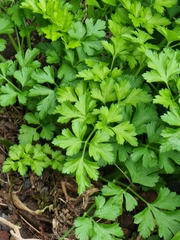 Petroselinum crispume1
- Treatment
- Pep-25e0
- Outcome
- accumulation of the same gene transcripts and formation of the same pattern of furanocoumarinse0
- Direction
- stimulatee0
- Comparator
- Pp-elicitore0
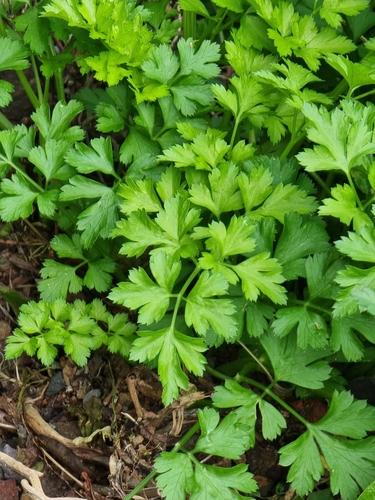
Organisms pictured · Representative pictures of the matched species, not figures from the paper.
Verbatim
e0“Pep-25, an oligopeptide fragment of a Phytophthora sojae 42-kDa cell wall protein, and a cell wall elicitor preparation derived from Phytophthora parasitica (Pp-elicitor) stimulate accumulation of the same gene transcripts and formation of the same pattern of furanocoumarins”
e1“Cultured parsley (Petroselinum crispum) cells”
Claim · model-written summary
Pp-elicitor stimulated defense transcript accumulation and furanocoumarin formation.
- Taxon
- parsleyPetroselinum crispume1
- Treatment
- Pp-elicitore0
- Outcome
- accumulation of the same gene transcripts and formation of the same pattern of furanocoumarinse0
- Direction
- stimulatee0
- Comparator
- Pep-25e0
Organisms pictured · Representative pictures of the matched species, not figures from the paper.
Verbatim
e0“Pep-25, an oligopeptide fragment of a Phytophthora sojae 42-kDa cell wall protein, and a cell wall elicitor preparation derived from Phytophthora parasitica (Pp-elicitor) stimulate accumulation of the same gene transcripts and formation of the same pattern of furanocoumarins”
e1“Cultured parsley (Petroselinum crispum) cells”
Claim · model-written summary
Proteinase digestion identified proteinaceous constituents as active parsley elicitors.
- Taxon
- parsleyPetroselinum crispume0
- Treatment
- proteinase-digested Pp-elicitore0
- Outcome
- proteinaceous constituents as active eliciting compoundse0
Organisms pictured · Representative pictures of the matched species, not figures from the paper.
Verbatim
e0“Treatment of cultured cells and protoplasts with proteinase-digested Pp-elicitor identified proteinaceous constituents as active eliciting compounds in parsley”
Claim · model-written summary
Pp-elicitor induced potassium and chloride effluxes.
- Taxon
- parsleyPetroselinum crispume1
- Treatment
- Pp-elicitore0
- Outcome
- effluxes of K+ and Cl-e0
- Direction
- inducede0
Not reportedComparator
Organisms pictured · Representative pictures of the matched species, not figures from the paper.
Verbatim
e0“Similar to Pep- 25, Pp-elicitor induced effluxes of K+ and Cl- and influxes of protons and Ca2+”
e1“Cultured parsley (Petroselinum crispum) cells”
Claim · model-written summary
Pp-elicitor induced proton and calcium influxes.
- Taxon
- parsleyPetroselinum crispume1
- Treatment
- Pp-elicitore0
- Outcome
- influxes of protons and Ca2+e0
- Direction
- inducede0
Not reportedComparator
Organisms pictured · Representative pictures of the matched species, not figures from the paper.
Verbatim
e0“Similar to Pep- 25, Pp-elicitor induced effluxes of K+ and Cl- and influxes of protons and Ca2+”
e1“Cultured parsley (Petroselinum crispum) cells”
Claim · model-written summary
Pp-elicitor immediately increased cytoplasmic calcium to sustained 175 nM levels.
- Taxon
- parsleyPetroselinum crispume0
- Material
- aequorin-transgenic parsley cell linese0
- Treatment
- Pp-elicitore0
- Outcome
- cytoplasmic Ca2+ concentratione0
- Direction
- increasee0
- Value
- 175 nMe0
- Qualifier
- sustained levelse0
Not reportedComparator
Organisms pictured · Representative pictures of the matched species, not figures from the paper.
Verbatim
e0“as monitored in aequorin-transgenic parsley cell lines both elicitors induced an immediate increase in the cytoplasmic Ca2+ concentration up to sustained levels of 175 nM (Pp-elicitor) or 300 nM (Pep-25), respectively”
Claim · model-written summary
Pep-25 immediately increased cytoplasmic calcium to sustained 300 nM levels.
- Taxon
- parsleyPetroselinum crispume0
- Material
- aequorin-transgenic parsley cell linese0
- Treatment
- Pep-25e0
- Outcome
- cytoplasmic Ca2+ concentratione0
- Direction
- increasee0
- Value
- 300 nMe0
- Qualifier
- sustained levelse0
Not reportedComparator
Organisms pictured · Representative pictures of the matched species, not figures from the paper.
Verbatim
e0“as monitored in aequorin-transgenic parsley cell lines both elicitors induced an immediate increase in the cytoplasmic Ca2+ concentration up to sustained levels of 175 nM (Pp-elicitor) or 300 nM (Pep-25), respectively”
Claim · model-written summary
Calcium response signatures differed greatly between elicitors.
- Taxon
- parsleyPetroselinum crispume1
- Outcome
- signature of the Ca2+ responsee0
Not reportedDirection
Organisms pictured · Representative pictures of the matched species, not figures from the paper.
Verbatim
e0“The signature of the Ca2+ response differed greatly between the two elicitors tested”
e1“Cultured parsley (Petroselinum crispum) cells”
Claim · model-written summary
Extracellular calcium was essential for elicitor activation of oxidative burst, MAP kinase activity and phytoalexin production.
- Taxon
- parsleyPetroselinum crispume1
- Compound
- Extracellular Ca2+e0
- Outcome
- activation of an oxidative burst, MAP kinase activity and phytoalexin productione0
Organisms pictured · Representative pictures of the matched species, not figures from the paper.
Verbatim
e0“Extracellular Ca2+ proved essential for activation of an oxidative burst, MAP kinase activity and phytoalexin production by either elicitor”
e1“Cultured parsley (Petroselinum crispum) cells”
Claim · model-written summary
Quantitative differences suggest a conserved signaling cascade activated through separate ligand binding sites.
- Taxon
- parsleyPetroselinum crispume1
- Outcome
- activation of a conserved signaling cascadee0
- Qualifier
- through separate ligand binding sitese0
Organisms pictured · Representative pictures of the matched species, not figures from the paper.
Verbatim
e0“elicitor-specific quantitative differences in response intensity and kinetics suggest activation of a conserved signaling cascade through separate ligand binding sites”
e1“Cultured parsley (Petroselinum crispum) cells”