Abstract
Phytoremediation has been suggested as a solution to heavy metal—polluted soils, but the choices of suitable plant species for phytoremediation have been limited. Medicinal and aromatic plants appear to be excellent selections for these plantings, since these plants are grown for economically valuable secondary products (essential oils), not for food or feed. Preliminary research indicates that heavy metals are not accumulated in essential oils, permitting the oil to be used commercially. Productivity of some, but not all aromatic plants was reduced, however, by the heavy metals. The objective of our experiment was to distinguish the mechanism of heavy metal tolerance of plants using germinating seeds of medicinal and aromatic plant species. Seeds from medicinal and aromatic plants were germinated in solutions with selected levels of heavy metals (cadmium at 6 and 10 (μg·L -1 ; copper at 60 and 150 μg·L -1 ; lead at 100 and 500 μg·L -1 ; zinc at 400 and 800 μg·L -1 ) and in distilled water. Tests on Anethum graveolens L., Carum carvi L., Cuminum cyminum L., Foeniculum vulgare Mill., Pimpinella anisum L., Ocimum basilicum L., and the hyperaccumulator species Brassica juncea L. and Alyssum bertolonii established that different plant species reacted in different ways to the heavy metals. For example, cadmium did not decrease seed germination of Alyssum, O. basilicum, and B. juncea compared with germination in water but did decrease germination of C. cyminum. Lead did not affect germination of A. bertolonii and B. juncea as compared with water but did negatively affect germination of P. anisum, F. vulgare, and C. cyminum. Except for B. juncea, F. vulgare, and C. cyminum, copper had a negative effect on germination. Zinc decreased germination in all tested species except B. juncea.
Abstract from the paper’s OpenAlex record, shown for indexing and research. Copyright remains with the authors or the publisher. Read at the source ↗
The text the model read, with the source record’s inline markup (italics, sub- and superscripts) rendered and its character entities decoded; quote offsets refer to the raw text.
Claims 11
Claim · model-written summary
Cadmium did not decrease Alyssum seed germination relative to water.
 Alyssum
Organisms pictured · Representative pictures of the matched species, not figures from the paper.

Verbatim
e0“cadmium did not decrease seed germination of Alyssum, O. basilicum, and B. juncea compared with germination in water”
Claim · model-written summary
Cadmium did not decrease O. basilicum seed germination relative to water.
- Taxon
- O. basilicum
 Ocimum basilicume0
- Treatment
- cadmiume0
- Outcome
- seed germinatione0
- Direction
- did not decreasee0
- Comparator
- watere0
Organisms pictured · Representative pictures of the matched species, not figures from the paper.

Verbatim
e0“cadmium did not decrease seed germination of Alyssum, O. basilicum, and B. juncea compared with germination in water”
Claim · model-written summary
Cadmium did not decrease B. juncea seed germination relative to water.
- Taxon
- B. juncea
 Brassica junceae0
- Treatment
- cadmiume0
- Outcome
- seed germinatione0
- Direction
- did not decreasee0
- Comparator
- watere0
Organisms pictured · Representative pictures of the matched species, not figures from the paper.

Verbatim
e0“cadmium did not decrease seed germination of Alyssum, O. basilicum, and B. juncea compared with germination in water”
Claim · model-written summary
Cadmium decreased C. cyminum germination relative to water.
- Taxon
- C. cyminum
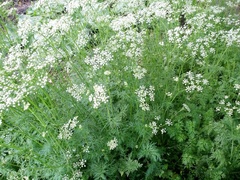 Cuminum cyminume0
- Treatment
- cadmiume0
- Outcome
- germinatione0
- Direction
- decreasee0
- Comparator
- watere0
Organisms pictured · Representative pictures of the matched species, not figures from the paper.
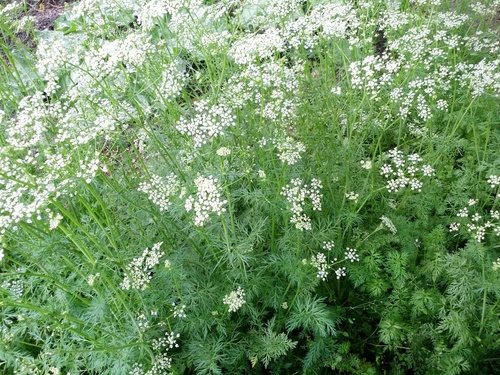
Verbatim
e0“cadmium did not decrease seed germination of Alyssum, O. basilicum, and B. juncea compared with germination in water but did decrease germination of C. cyminum”
Claim · model-written summary
Lead did not affect A. bertolonii germination relative to water.
- Taxon
- A. bertolonii
 Odontarrhena bertoloniie0
- Treatment
- Leade0
- Outcome
- germinatione0
- Direction
- did not affecte0
- Comparator
- watere0
Organisms pictured · Representative pictures of the matched species, not figures from the paper.

Verbatim
e0“Lead did not affect germination of A. bertolonii and B. juncea as compared with water”
Claim · model-written summary
Lead did not affect B. juncea germination relative to water.
- Taxon
- B. junceaBrassica junceae0
- Treatment
- Leade0
- Outcome
- germinatione0
- Direction
- did not affecte0
- Comparator
- watere0
Organisms pictured · Representative pictures of the matched species, not figures from the paper.
Verbatim
e0“Lead did not affect germination of A. bertolonii and B. juncea as compared with water”
Claim · model-written summary
Lead negatively affected P. anisum germination.
- Taxon
- P. anisum
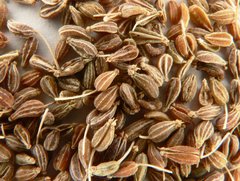 Pimpinella anisume0
- Treatment
- Leade0
- Outcome
- germinatione0
- Direction
- negatively affecte0
- Comparator
- watere0
Organisms pictured · Representative pictures of the matched species, not figures from the paper.
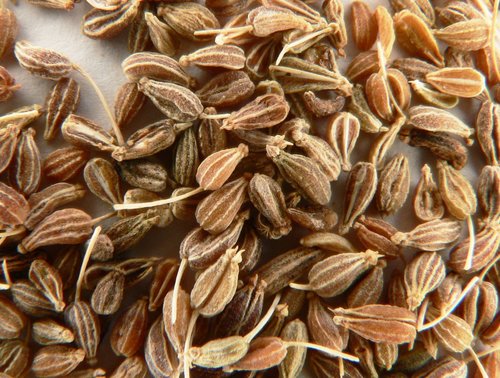
Verbatim
e0“Lead did not affect germination of A. bertolonii and B. juncea as compared with water but did negatively affect germination of P. anisum, F. vulgare, and C. cyminum”
Claim · model-written summary
Lead negatively affected F. vulgare germination.
- Taxon
- F. vulgare
 Anethum foeniculume0
- Treatment
- Leade0
- Outcome
- germinatione0
- Direction
- negatively affecte0
- Comparator
- watere0
Organisms pictured · Representative pictures of the matched species, not figures from the paper.

Verbatim
e0“Lead did not affect germination of A. bertolonii and B. juncea as compared with water but did negatively affect germination of P. anisum, F. vulgare, and C. cyminum”
Claim · model-written summary
Lead negatively affected C. cyminum germination.
- Taxon
- C. cyminumCuminum cyminume0
- Treatment
- Leade0
- Outcome
- germinatione0
- Direction
- negatively affecte0
- Comparator
- watere0
Organisms pictured · Representative pictures of the matched species, not figures from the paper.
Verbatim
e0“Lead did not affect germination of A. bertolonii and B. juncea as compared with water but did negatively affect germination of P. anisum, F. vulgare, and C. cyminum”
Claim · model-written summary
Copper negatively affected germination in tested species other than B. juncea, F. vulgare and C. cyminum.
- Taxon
- medicinal and aromatic plant speciese1
- Treatment
- coppere0
- Outcome
- germinatione0
- Direction
- negative effecte0
- Qualifier
- Except for B. juncea, F. vulgare, and C. cyminume0
Not reportedComparator
Verbatim
e0“Except for B. juncea, F. vulgare, and C. cyminum, copper had a negative effect on germination”
e1“medicinal and aromatic plant species”
Claim · model-written summary
Zinc decreased germination in all tested species except B. juncea.
- Taxon
- medicinal and aromatic plant speciese1
- Treatment
- Zince0
- Outcome
- germinatione0
- Direction
- decreasede0
- Qualifier
- except B. junceae0
Not reportedComparator
Verbatim
e0“Zinc decreased germination in all tested species except B. juncea”
e1“medicinal and aromatic plant species”
The same questions in other papers
cadmium atom · growth · Ocimum basilicum (basil)Results differ
3 papers in the same direction as this paper · 1 in the opposite direction
- positive
- negative
- negative
1 paper more in this group
See all 5 papers →lead atom · growth · Brassica juncea (Indian mustard)Results differ
10 papers in the same direction as this paper · 2 in the opposite direction
- positive
- positive
- negative
9 papers more in this group
See all 13 papers →cadmium atom · growth · Brassica juncea (Indian mustard)Results differ
18 papers in the same direction as this paper · 1 in the opposite direction
- positive
- negative
- negative
16 papers more in this group
See all 20 papers →lead atom · growth · Anethum foeniculum (fennel)Results agree
1 paper in the same direction as this paper
- negative
Claims are grouped by organism, treatment and what was measured or targeted. A paper counts as positive when any of its claims in the group is positive.