Abstract
An experiment was conducted under field condition at three locations viz., Entomology Farm, B. A. College of Agriculture, AAU, Anand, Agricultural Research Station, Sansoli and main maize research Station, Godhra during Kharif, 2019 to determine the efficacy of different biopesticides against the fall armyworm, Spodoptera frugiperda in maize (GAYMH-1) by using Randomized Block Design (RBD) with three replications. The lowest larval population (1.81 larvae /10 plants and 2.03 larvae /10 plants), minimum plant damage (15.34% and 17.70%) and cob damage (15.19 % and 15.19%) was observed in the plot treated with Nomuraea rileyi 1% WP @ 40 g/10 lit water and it was at par with Bacillus thuringiensis var.kurstaki 1 % WG @ 20 g/10 lit water, respectively. Of the tested biopesticides, the highest grain and fodder yield was recorded from the plot treated with N. rileyi 1% WP (2957 and 4069 kg/ha) and followed by B. thuringiensis (2932 and 4033 kg/ha).
Abstract from the paper’s OpenAlex record; open copy licensed cc-by-nc-sa. Read at the source ↗
The text the model read, with the source record’s inline markup (italics, sub- and superscripts) rendered and its character entities decoded; quote offsets refer to the raw text.
Claims 8
Claim · model-written summary
Nomuraea rileyi treatment had the lowest fall armyworm larval population, 1.81 and 2.03 larvae per 10 plants.
- Treatment
- Nomuraea rileyi 1% WP @ 40 g/10 lit watere0
- Interactor
- Spodoptera frugiperda
 Spodoptera frugiperdat0pest
- Second interactor
- Nomuraea rileyie0biocontrol_agent
- Outcome
- larval populatione0
- Direction
- loweste0
- Value
- 1.81 larvae /10 plants and 2.03 larvae /10 plantse0
 Zea mays
Not reportedComparator
Organisms pictured · Representative pictures of the matched species, not figures from the paper.


Verbatim
e0“The lowest larval population (1.81 larvae /10 plants and 2.03 larvae /10 plants), minimum plant damage (15.34% and 17.70%) and cob damage (15.19 % and 15.19%) was observed in the plot treated with Nomuraea rileyi 1% WP @ 40 g/10 lit water”
t0“Spodoptera frugiperda (J. E. Smith) in Maize”
Claim · model-written summary
Nomuraea rileyi treatment had minimum plant damage, 15.34% and 17.70%.
- Treatment
- Nomuraea rileyi 1% WP @ 40 g/10 lit watere0
- Interactor
- Spodoptera frugiperdaSpodoptera frugiperdat0pest
- Second interactor
- Nomuraea rileyie0biocontrol_agent
- Outcome
- plant damagee0
- Direction
- minimume0
- Value
- 15.34% and 17.70%e0
Not reportedComparator
Organisms pictured · Representative pictures of the matched species, not figures from the paper.
Verbatim
e0“minimum plant damage (15.34% and 17.70%) and cob damage (15.19 % and 15.19%) was observed in the plot treated with Nomuraea rileyi 1% WP @ 40 g/10 lit water”
t0“Spodoptera frugiperda (J. E. Smith) in Maize”
Claim · model-written summary
Nomuraea rileyi treatment had minimum cob damage, 15.19% at both measurements.
- Treatment
- Nomuraea rileyi 1% WP @ 40 g/10 lit watere0
- Interactor
- Spodoptera frugiperdaSpodoptera frugiperdat0pest
- Second interactor
- Nomuraea rileyie0biocontrol_agent
- Outcome
- cob damagee0
- Direction
- minimume0
- Value
- 15.19 % and 15.19%e0
Not reportedComparator
Organisms pictured · Representative pictures of the matched species, not figures from the paper.
Verbatim
e0“minimum plant damage (15.34% and 17.70%) and cob damage (15.19 % and 15.19%) was observed in the plot treated with Nomuraea rileyi 1% WP @ 40 g/10 lit water”
t0“Spodoptera frugiperda (J. E. Smith) in Maize”
Claim · model-written summary
Bacillus thuringiensis treatment was at par with Nomuraea rileyi for pest and damage outcomes.
- Treatment
- Bacillus thuringiensis var.kurstaki 1 % WG @ 20 g/10 lit watere0
- Interactor
- Spodoptera frugiperdaSpodoptera frugiperdat0pest
- Second interactor
- Bacillus thuringiensis var.kurstaki
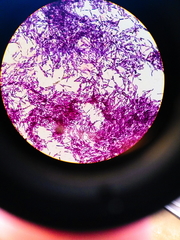 Bacillus thuringiensise0biocontrol_agent
- Outcome
- at pare0
- Direction
- at pare0
- Comparator
- Nomuraea rileyi 1% WP @ 40 g/10 lit watere1
Organisms pictured · Representative pictures of the matched species, not figures from the paper.
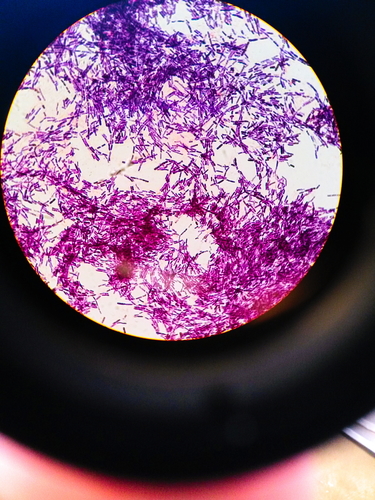
Verbatim
e0“it was at par with Bacillus thuringiensis var.kurstaki 1 % WG @ 20 g/10 lit water”
e1“The lowest larval population (1.81 larvae /10 plants and 2.03 larvae /10 plants), minimum plant damage (15.34% and 17.70%) and cob damage (15.19 % and 15.19%) was observed in the plot treated with Nomuraea rileyi 1% WP @ 40 g/10 lit water”
t0“Spodoptera frugiperda (J. E. Smith) in Maize”
Claim · model-written summary
Nomuraea rileyi produced the highest grain yield, 2957 kg/ha.
- Treatment
- N. rileyi 1% WPe0
- Interactor
- N. rileyie0biocontrol_agent
- Outcome
- grain and fodder yielde0
- Direction
- higheste0
- Value
- 2957e0
Not reportedComparator
Organisms pictured · Representative pictures of the matched species, not figures from the paper.
Verbatim
e0“the highest grain and fodder yield was recorded from the plot treated with N. rileyi 1% WP (2957 and 4069 kg/ha)”
t0“Spodoptera frugiperda (J. E. Smith) in Maize”
Claim · model-written summary
Nomuraea rileyi produced the highest fodder yield, 4069 kg/ha.
- Treatment
- N. rileyi 1% WPe0
- Interactor
- N. rileyie0biocontrol_agent
- Outcome
- fodder yielde0
- Direction
- higheste0
- Value
- 4069 kg/hae0
Not reportedComparator
Organisms pictured · Representative pictures of the matched species, not figures from the paper.
Verbatim
e0“the highest grain and fodder yield was recorded from the plot treated with N. rileyi 1% WP (2957 and 4069 kg/ha)”
t0“Spodoptera frugiperda (J. E. Smith) in Maize”
Claim · model-written summary
Bacillus thuringiensis followed for grain yield at 2932 kg/ha.
- Treatment
- B. thuringiensise0
- Interactor
- B. thuringiensisBacillus thuringiensise0biocontrol_agent
- Outcome
- grain and fodder yielde1
- Direction
- followed bye0
- Value
- 2932e0
Not reportedComparator
Organisms pictured · Representative pictures of the matched species, not figures from the paper.
Verbatim
e0“followed by B. thuringiensis (2932 and 4033 kg/ha)”
e1“the highest grain and fodder yield”
t0“Spodoptera frugiperda (J. E. Smith) in Maize”
Claim · model-written summary
Bacillus thuringiensis followed for fodder yield at 4033 kg/ha.
- Treatment
- B. thuringiensise0
- Interactor
- B. thuringiensisBacillus thuringiensise0biocontrol_agent
- Outcome
- fodder yielde1
- Direction
- followed bye0
- Value
- 4033 kg/hae0
Not reportedComparator
Organisms pictured · Representative pictures of the matched species, not figures from the paper.
Verbatim
e0“followed by B. thuringiensis (2932 and 4033 kg/ha)”
e1“the highest grain and fodder yield”
t0“Spodoptera frugiperda (J. E. Smith) in Maize”
The same questions in other papers
Bacillus thuringiensis · yield · Zea mays (maize)Positive and negative results
3 papers in the same direction as this paper · 2 reporting no difference from an alternative
- no effect
- no effect
- positive
2 papers more in this group
See all 6 papers →Nomuraea · Spodoptera frugiperda · Zea mays (maize)Results agree
3 papers in the same direction as this paper
- positive
- positive
- positive
Bacillus thuringiensis · Spodoptera frugiperda · Zea mays (maize)Results agree
7 papers in the same direction as this paper
- positive
- positive
- positive
4 papers more in this group
See all 8 papers →Claims are grouped by organism, treatment and what was measured or targeted. A paper counts as positive when any of its claims in the group is positive.