Abstract
Aims: This study aimed at comparing the biological efficacy of Diflubenzuron WP, a chemical insecticide, and two biopesticides, one based on neem oil (Azadirachta indica) and an entomopathogen (Bacillus thuringiensis) against the fall armyworm on maize. Place and Duration of Study: The work was carried out on the irrigated scheme of Bama, western Burkina Faso during the 2022 and 2023 wet seasons. Methodology: The experimental design was a Fisher block with 4 treatments: T0: untreated or control; T1: Bacillus thuringiensis; T2: neem oil; T3: Diflubenzuron WP, in 4 replications. Entomological observations focused on the score and severity of attacks, as well as the pest's infestations rate. Results: The results showed that the different insecticides tested over the two wet seasons of 2022 and 2023 induced better control of S. frugiperda populations, with larval density being kept lower with the treatment of Diflubenzuron WP (4.25±1.2%), neem oil (14.28±1.6%) and Bacillus thuringiensis (24.5±3.2%). The insect damage severity rates and scores of damaged ears were also low for the three treatments respectively (1.09±0.2, 0.9±0.26 and 0.27±0.71) over the two cropping seasons. Diflubenzuron WP insecticide treatment not only reduced pest pressure, but also significantly improved maize yield. No surprisingly the highest yield (5.14 t/ha) was recorded with Diflubenzuron WP, followed by neem oil (4.62kg/ha) and finally Bacillus thuringiensis (3.92kg/ha). Conclusion: Further studies are needed to determine the optimal doses of neem oil and Bt for the control of Fall Armyworm. Neem oil can be considered as a good alternative to a chemical insecticide like Diflubenzuron WP.
Abstract from the paper’s OpenAlex record, shown for indexing and research. Copyright remains with the authors or the publisher. Read at the source ↗
The text the model read, with the source record’s inline markup (italics, sub- and superscripts) rendered and its character entities decoded; quote offsets refer to the raw text.
Claims 8
Claim · model-written summary
Diflubenzuron WP kept larval density lower at 4.25±1.2%.
- Treatment
- Diflubenzuron WPe0
- Interactor
- fall armyworm
 Spodoptera frugiperdae1pest
- Outcome
- larval densitye0
- Direction
- lowere0
- Value
- 4.25±1.2%e0
 Zea mays
Not reportedComparator
Organisms pictured · Representative pictures of the matched species, not figures from the paper.


Verbatim
e0“larval density being kept lower with the treatment of Diflubenzuron WP (4.25±1.2%)”
e1“fall armyworm on maize”
Claim · model-written summary
Neem oil kept larval density lower at 14.28±1.6%.
- Treatment
- neem oile0
- Interactor
- fall armywormSpodoptera frugiperdae1pest
- Outcome
- larval densitye0
- Direction
- lowere0
- Value
- 14.28±1.6%e0
Not reportedComparator
Organisms pictured · Representative pictures of the matched species, not figures from the paper.
Verbatim
e0“larval density being kept lower with the treatment of Diflubenzuron WP (4.25±1.2%), neem oil (14.28±1.6%)”
e1“fall armyworm on maize”
Claim · model-written summary
Bacillus thuringiensis kept larval density lower at 24.5±3.2%.
- Treatment
- Bacillus thuringiensise0
- Interactor
- fall armywormSpodoptera frugiperdae1pest
- Second interactor
- Bacillus thuringiensis
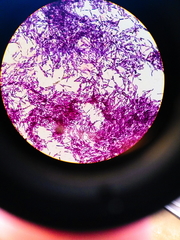 Bacillus thuringiensise0biocontrol_agent
- Outcome
- larval densitye0
- Direction
- lowere0
- Value
- 24.5±3.2%e0
Not reportedComparator
Organisms pictured · Representative pictures of the matched species, not figures from the paper.
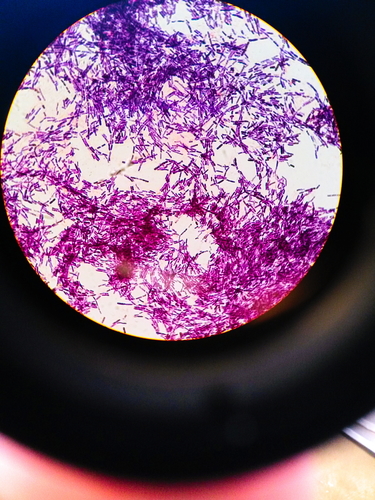
Verbatim
e0“larval density being kept lower with the treatment of Diflubenzuron WP (4.25±1.2%), neem oil (14.28±1.6%) and Bacillus thuringiensis (24.5±3.2%)”
e1“fall armyworm on maize”
Claim · model-written summary
Three insecticide treatments reduced damage severity and ear damage scores, respectively reported as 1.09±0.2, 0.9±0.26 and 0.27±0.71.
- Interactor
- fall armywormSpodoptera frugiperdae1pest
- Outcome
- insect damage severity rates and scores of damaged earse0
- Direction
- lowe0
Organisms pictured · Representative pictures of the matched species, not figures from the paper.
Verbatim
e0“The insect damage severity rates and scores of damaged ears were also low for the three treatments respectively (1.09±0.2, 0.9±0.26 and 0.27±0.71)”
e1“fall armyworm on maize”
Claim · model-written summary
Diflubenzuron WP significantly improved maize yield, reaching 5.14 t/ha.
Not reportedComparator
Organisms pictured · Representative pictures of the matched species, not figures from the paper.
Verbatim
e0“Diflubenzuron WP insecticide treatment not only reduced pest pressure, but also significantly improved maize yield. No surprisingly the highest yield (5.14 t/ha) was recorded with Diflubenzuron WP”
Claim · model-written summary
Neem oil produced a yield of 4.62kg/ha.
Not reportedComparatorDirection
Organisms pictured · Representative pictures of the matched species, not figures from the paper.
Verbatim
e0“followed by neem oil (4.62kg/ha)”
e1“maize yield”
Claim · model-written summary
Bacillus thuringiensis produced a yield of 3.92kg/ha.
- Treatment
- Bacillus thuringiensise0
- Interactor
- Bacillus thuringiensisBacillus thuringiensise0biocontrol_agent
- Outcome
- maize yielde1
- Value
- 3.92kg/hae0
Not reportedComparatorDirection
Organisms pictured · Representative pictures of the matched species, not figures from the paper.
Verbatim
e0“finally Bacillus thuringiensis (3.92kg/ha)”
e1“maize yield”
Claim · model-written summary
Authors consider neem oil a good alternative to Diflubenzuron WP.
- Outcome
- Neem oil can be considered as a good alternativee0
Organisms pictured · Representative pictures of the matched species, not figures from the paper.
Verbatim
e0“Neem oil can be considered as a good alternative to a chemical insecticide like Diflubenzuron WP.”
e1“fall armyworm on maize”
The same questions in other papers
Bacillus thuringiensis · yield · Zea mays (maize)Positive and negative results
3 papers in the same direction as this paper · 2 reporting no difference from an alternative
- no effect
- no effect
- positive
2 papers more in this group
See all 6 papers →diflubenzuron · Spodoptera frugiperda · Zea mays (maize)Results agree
2 papers in the same direction as this paper
- positive
- positive
Bacillus thuringiensis · Spodoptera frugiperda · Zea mays (maize)Results agree
7 papers in the same direction as this paper
- positive
- positive
- positive
4 papers more in this group
See all 8 papers →botanical · yield · Zea mays (maize)Results differ
117 papers in the same direction as this paper · 7 in the opposite direction
- no effect
- no effect
- no effect
121 papers more in this group
See all 125 papers →botanical · Spodoptera frugiperda · Zea mays (maize)Positive and negative results
48 papers in the same direction as this paper · 3 in the opposite direction · 1 reporting no difference from an alternative
- no effect
- negative
- no effect
49 papers more in this group
See all 53 papers →Claims are grouped by organism, treatment and what was measured or targeted. A paper counts as positive when any of its claims in the group is positive.