Abstract
Sustainable agricultural practices like agroforestry systems are being advocated to overcome various problems of farming. A young malta (Citrus sinensis) orchard (3 years old) was transformed into a fruit tree-based agroforestry system in which the performances of summer (okra and Indian spinach) and autumn (mungbean and kangkong) crops and year-round spices (ginger and turmeric) were evaluated following randomized complete block design (RCBD) with three replication each and eventually compared between agroforestry systems and respective sole cropping (control) from March 2018 to February 2019 at BSMRAU field. The experimental results revealed that the yields of the associated crops deprived when grown at the closest row position from the bed of malta tree and spices. Yields of okra, Indian spinach, mungbean, kangkong, turmeric and ginger were reduced by 7.57, 6.52, 14.86, 13.26, 9.70 and 16.23%, respectively under agroforestry system as compared to control. However, malta yield was increased by 5.35% in agroforestry system than control trees. The findings also indicated that the crops in agroforestry system was less hindered by the shade effect of malta trees due to less dense canopy of young malta trees. In comparison to sole cropping system, the higher benefit-cost ratio (BCR) (2.93) and land equivalent ratio (LER) (2.83) were obtained in the studied agroforestry system that explicated higher system productivity and land uses. Notable improvement of total nitrogen and organic matter were obtained in the soil under agroforestry system. Therefore, malta-based agroforestry system can be a promising alternative to provide higher economic benefits, boosting food and nutritional security, improving soil nutrient status and utilization of land. Ann. Bangladesh Agric. (2020) 24(1) : 113-125
Abstract from the paper’s OpenAlex record, shown for indexing and research. Copyright remains with the authors or the publisher. Read at the source ↗
The text the model read, with the source record’s inline markup (italics, sub- and superscripts) rendered and its character entities decoded; quote offsets refer to the raw text.
Claims 13
Claim · model-written summary
Intercrop yields were lower at the row position closest to malta trees and spices.
Verbatim
e0“the yields of the associated crops deprived when grown at the closest row position from the bed of malta tree and spices.”
t0“Malta Orchard”
Claim · model-written summary
Okra yield was 7.57% lower in agroforestry than sole cropping.
- Taxon
- okra
 Abelmoschus esculentuse0
- Treatment
- agroforestry systeme0
- Outcome
- Yields of okrae0
- Direction
- reducede0
- Value
- 7.57e0
- Comparator
- controle0
Organisms pictured · Representative pictures of the matched species, not figures from the paper.

Verbatim
e0“Yields of okra, Indian spinach, mungbean, kangkong, turmeric and ginger were reduced by 7.57, 6.52, 14.86, 13.26, 9.70 and 16.23%, respectively under agroforestry system as compared to control.”
Claim · model-written summary
Indian spinach yield was 6.52% lower in agroforestry than sole cropping.
Verbatim
e0“Yields of okra, Indian spinach, mungbean, kangkong, turmeric and ginger were reduced by 7.57, 6.52, 14.86, 13.26, 9.70 and 16.23%, respectively under agroforestry system as compared to control.”
Claim · model-written summary
Mungbean yield was 14.86% lower in agroforestry than sole cropping.
- Taxon
- mungbean
 Vigna radiatae0
- Treatment
- agroforestry systeme0
- Outcome
- Yields of okra, Indian spinach, mungbeane0
- Direction
- reducede0
- Value
- 14.86e0
- Comparator
- controle0
Organisms pictured · Representative pictures of the matched species, not figures from the paper.

Verbatim
e0“Yields of okra, Indian spinach, mungbean, kangkong, turmeric and ginger were reduced by 7.57, 6.52, 14.86, 13.26, 9.70 and 16.23%, respectively under agroforestry system as compared to control.”
Claim · model-written summary
Kangkong yield was 13.26% lower in agroforestry than sole cropping.
Verbatim
e0“Yields of okra, Indian spinach, mungbean, kangkong, turmeric and ginger were reduced by 7.57, 6.52, 14.86, 13.26, 9.70 and 16.23%, respectively under agroforestry system as compared to control.”
Claim · model-written summary
Turmeric yield was 9.70% lower in agroforestry than sole cropping.
- Taxon
- turmeric
 Curcuma longae0
- Treatment
- agroforestry systeme0
- Outcome
- Yields of okra, Indian spinach, mungbean, kangkong, turmerice0
- Direction
- reducede0
- Value
- 9.70e0
- Comparator
- controle0
Organisms pictured · Representative pictures of the matched species, not figures from the paper.

Verbatim
e0“Yields of okra, Indian spinach, mungbean, kangkong, turmeric and ginger were reduced by 7.57, 6.52, 14.86, 13.26, 9.70 and 16.23%, respectively under agroforestry system as compared to control.”
Claim · model-written summary
Ginger yield was 16.23% lower in agroforestry than sole cropping.
- Taxon
- ginger
 Zingiber officinalee0
- Treatment
- agroforestry systeme0
- Outcome
- Yields of okra, Indian spinach, mungbean, kangkong, turmeric and gingere0
- Direction
- reducede0
- Value
- 16.23%e0
- Comparator
- controle0
Organisms pictured · Representative pictures of the matched species, not figures from the paper.
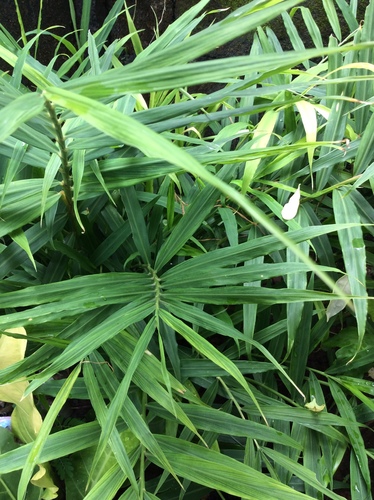
Verbatim
e0“Yields of okra, Indian spinach, mungbean, kangkong, turmeric and ginger were reduced by 7.57, 6.52, 14.86, 13.26, 9.70 and 16.23%, respectively under agroforestry system as compared to control.”
Claim · model-written summary
Malta yield increased 5.35% under agroforestry compared with control trees.
Verbatim
e0“malta yield was increased by 5.35% in agroforestry system than control trees.”
Claim · model-written summary
The young malta canopy caused relatively little shade hindrance to associated crops.
Verbatim
e0“the crops in agroforestry system was less hindered by the shade effect of malta trees due to less dense canopy of young malta trees.”
t0“Malta Orchard”
Claim · model-written summary
The agroforestry system had a higher benefit-cost ratio of 2.93 than sole cropping.
Verbatim
e0“In comparison to sole cropping system, the higher benefit-cost ratio (BCR) (2.93) and land equivalent ratio (LER) (2.83) were obtained in the studied agroforestry system”
t0“Malta Orchard”
Claim · model-written summary
The agroforestry system had a higher land equivalent ratio of 2.83 than sole cropping.
Verbatim
e0“In comparison to sole cropping system, the higher benefit-cost ratio (BCR) (2.93) and land equivalent ratio (LER) (2.83) were obtained in the studied agroforestry system”
t0“Malta Orchard”
Claim · model-written summary
Total soil nitrogen and organic matter improved under agroforestry.
Verbatim
e0“Notable improvement of total nitrogen and organic matter were obtained in the soil under agroforestry system.”
t0“Malta Orchard”
Claim · model-written summary
The authors recommend malta agroforestry as a promising option for economic returns, food security, soil nutrients, and land use.
Verbatim
e0“malta-based agroforestry system can be a promising alternative to provide higher economic benefits, boosting food and nutritional security, improving soil nutrient status and utilization of land.”
t0“Malta Orchard”
The same questions in other papers
intercropping · yield · Zingiber officinale (ginger)Results differ
2 papers in the same direction as this paper · 10 in the opposite direction
- positive
- positive
- positive
9 papers more in this group
See all 13 papers →intercropping · yield · Curcuma longa (turmeric)Positive and negative results
4 papers in the same direction as this paper · 11 in the opposite direction
- positive
- positive
- positive
12 papers more in this group
See all 16 papers →intercropping · yield · Abelmoschus esculentus (okra)Positive and negative results
20 papers in the same direction as this paper · 25 in the opposite direction
- positive
- positive
- positive
42 papers more in this group
See all 46 papers →intercropping · yield · Vigna radiata (mung bean)Positive and negative results
20 papers in the same direction as this paper · 28 in the opposite direction
- positive
- positive
- positive
45 papers more in this group
See all 49 papers →Claims are grouped by organism, treatment and what was measured or targeted. A paper counts as positive when any of its claims in the group is positive.