Abstract
Minimum soil disturbance and increased crop residue retention practices are promising options to enhance soil organic matter, nutrient concentration and crop yield. However, the potentials of the practices in improving soil properties, increasing crop yield and in ensuring economic return have not been tested in the monsoon rice (Oryza sativa L.)-lentil (Lens culinaris L.)/wheat (Triticum aestivum L.)-jute (Corchorus culinaris L.) cropping systems on seasonally flooded lowlands of the Eastern Gangetic Plain of South Asia. A field trial for consecutive three years was conducted in the Gangetic Plains of Bangladesh to evaluate the effects of zero tillage (ZT), strip-tillage (ST), bed planting (BP) and conventional tillage (CT) with two residue retention levels (RL—a low level similar to current farmers’ practice and RH—increased retention) on soil properties, yield and economic return. Between rice and jute crops, lentil was grown for the 1st and 2nd years and wheat for the 3rd year during the dry winter season. The ST and BP performed better than the CT and ZT in terms of yield of rice and lentil, whereas ST and ZT performed better than other practices in the case of jute. Higher residue retention (RH) increased crop yield for all the years. The highest rice equivalent yield (sum of 3 crop yields, expressed as rice yield) and the greatest benefit-cost ratio (BCR) were recorded with ST and RH. The increased yield in the ST was associated with reduced soil bulk density (BD), while ST with RH increased soil water (SW) and decreased penetration resistance (PR) of soil. Compared to CT, minimum soil disturbance of ZT and ST increased soil organic matter (SOM) stock by 24% and 23%, respectively; total nitrogen (TN) by 23.5% and 18.4%, respectively; extractable sulphur (S) by 21% and 18%, respectively; whereas Zinc (Zn) concentrations increased by 53% and 47%, respectively, in the upper 0–5 cm soil depth. Accumulation of extractable P, S and Zn in the 0–5 cm depth of soil followed the sequence as ZT > ST > BP > CT practice. The higher amount of residue retention significantly increased SOM, TN and extractable P, K, S and Zn concentrations at 0–5 cm and 5–10 cm soil depths. The 3-year study suggests that ST with RH is a potential crop management approach for the seasonally flooded rice-lentil/wheat-jute cropping systems to enhance soil nutrients status, crop yield and farm economy.
Abstract from the paper’s OpenAlex record; open copy licensed cc-by. Read at the source ↗
The text the model read, with the source record’s inline markup (italics, sub- and superscripts) rendered and its character entities decoded; quote offsets refer to the raw text.
Claims 19
Claim · model-written summary
Strip tillage and bed planting yielded more rice and lentil than conventional and zero tillage.
- Taxon
- rice
 Oryza sativae0
- Treatment
- ST and BPe0
- Outcome
- yield of rice and lentile0
- Direction
- bettere0
- Comparator
- CT and ZTe0
Organisms pictured · Representative pictures of the matched species, not figures from the paper.

Verbatim
e0“The ST and BP performed better than the CT and ZT in terms of yield of rice and lentil”
Claim · model-written summary
Strip and zero tillage yielded more jute than other practices.
- Taxon
- jute
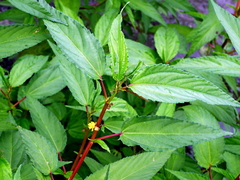 Corchorus capsularise0
- Treatment
- ST and ZTe0
- Outcome
- bettere0
- Direction
- bettere0
- Comparator
- other practicese0
Organisms pictured · Representative pictures of the matched species, not figures from the paper.
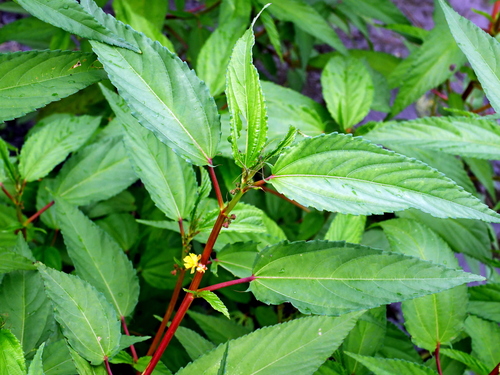
Verbatim
e0“ST and ZT performed better than other practices in the case of jute”
Claim · model-written summary
Higher residue retention increased crop yield in all years.
- Taxon
- riceOryza sativae1
- Treatment
- Higher residue retention (RH)e0
- Outcome
- crop yielde0
- Direction
- increasede0
- Qualifier
- all the yearse0
- Comparator
- RLe2
Organisms pictured · Representative pictures of the matched species, not figures from the paper.
Verbatim
e0“Higher residue retention (RH) increased crop yield for all the years”
e1“rice (Oryza sativa L.)-lentil (Lens culinaris L.)/wheat (Triticum aestivum L.)-jute (Corchorus culinaris L.) cropping systems”
e2“two residue retention levels (RL—a low level similar to current farmers’ practice and RH—increased retention)”
Claim · model-written summary
ST with RH had the highest rice-equivalent yield and benefit-cost ratio.
- Taxon
- riceOryza sativae1
- Treatment
- ST and RHe0
- Outcome
- rice equivalent yielde0
- Direction
- higheste0
Organisms pictured · Representative pictures of the matched species, not figures from the paper.
Verbatim
e0“The highest rice equivalent yield (sum of 3 crop yields, expressed as rice yield) and the greatest benefit-cost ratio (BCR) were recorded with ST and RH”
e1“rice (Oryza sativa L.)”
Claim · model-written summary
ST with RH had the greatest benefit-cost ratio.
- Taxon
- riceOryza sativae1
- Treatment
- ST and RHe0
- Outcome
- benefit-cost ratio (BCR)e0
- Direction
- greateste0
Organisms pictured · Representative pictures of the matched species, not figures from the paper.
Verbatim
e0“The highest rice equivalent yield (sum of 3 crop yields, expressed as rice yield) and the greatest benefit-cost ratio (BCR) were recorded with ST and RH”
e1“rice (Oryza sativa L.)”
Claim · model-written summary
Increased ST yield was associated with lower soil bulk density.
- Taxon
- riceOryza sativae1
- Treatment
- STe0
- Outcome
- increased yielde0
- Direction
- increasede0
- Qualifier
- reduced soil bulk density (BD)e0
Organisms pictured · Representative pictures of the matched species, not figures from the paper.
Verbatim
e0“The increased yield in the ST was associated with reduced soil bulk density (BD)”
e1“rice (Oryza sativa L.)”
Claim · model-written summary
ST with RH raised soil water.
- Taxon
- riceOryza sativae1
- Treatment
- ST with RHe0
- Outcome
- soil water (SW)e0
- Direction
- increasede0
Not reportedComparator
Organisms pictured · Representative pictures of the matched species, not figures from the paper.
Verbatim
e0“ST with RH increased soil water (SW)”
e1“rice (Oryza sativa L.)”
Claim · model-written summary
ST with RH lowered soil penetration resistance.
- Taxon
- riceOryza sativae1
- Treatment
- ST with RHe0
- Outcome
- penetration resistance (PR) of soile0
- Direction
- decreasede0
Not reportedComparator
Organisms pictured · Representative pictures of the matched species, not figures from the paper.
Verbatim
e0“ST with RH increased soil water (SW) and decreased penetration resistance (PR) of soil”
e1“rice (Oryza sativa L.)”
Claim · model-written summary
Zero tillage increased soil organic matter stock 24% over conventional tillage.
- Taxon
- riceOryza sativae1
- Treatment
- ZTe0
- Outcome
- soil organic matter (SOM) stocke0
- Direction
- increasede0
- Value
- 24%e0
- Comparator
- CTe0
Organisms pictured · Representative pictures of the matched species, not figures from the paper.
Verbatim
e0“Compared to CT, minimum soil disturbance of ZT and ST increased soil organic matter (SOM) stock by 24% and 23%, respectively”
e1“rice (Oryza sativa L.)”
Claim · model-written summary
Strip tillage increased soil organic matter stock 23% over conventional tillage.
- Taxon
- riceOryza sativae1
- Treatment
- STe0
- Outcome
- soil organic matter (SOM) stocke0
- Direction
- increasede0
- Value
- 23%e0
- Comparator
- CTe0
Organisms pictured · Representative pictures of the matched species, not figures from the paper.
Verbatim
e0“Compared to CT, minimum soil disturbance of ZT and ST increased soil organic matter (SOM) stock by 24% and 23%, respectively”
e1“rice (Oryza sativa L.)”
Claim · model-written summary
Zero tillage increased total nitrogen 23.5%.
- Taxon
- riceOryza sativae2
- Treatment
- ZTe1
- Outcome
- total nitrogen (TN)e0
- Direction
- increasede1
- Value
- 23.5%e0
- Comparator
- CTe1
Organisms pictured · Representative pictures of the matched species, not figures from the paper.
Verbatim
e0“total nitrogen (TN) by 23.5% and 18.4%, respectively”
e1“Compared to CT, minimum soil disturbance of ZT and ST increased soil organic matter”
e2“rice (Oryza sativa L.)”
Claim · model-written summary
Strip tillage increased total nitrogen 18.4%.
- Taxon
- riceOryza sativae2
- Treatment
- STe1
- Outcome
- total nitrogen (TN)e0
- Direction
- increasede1
- Value
- 18.4%e0
- Comparator
- CTe1
Organisms pictured · Representative pictures of the matched species, not figures from the paper.
Verbatim
e0“total nitrogen (TN) by 23.5% and 18.4%, respectively”
e1“Compared to CT, minimum soil disturbance of ZT and ST increased soil organic matter”
e2“rice (Oryza sativa L.)”
Claim · model-written summary
Zero tillage increased extractable sulfur 21%.
- Taxon
- riceOryza sativae2
- Treatment
- ZTe1
- Outcome
- extractable sulphur (S)e0
- Direction
- increasede1
- Value
- 21%e0
- Comparator
- CTe1
Organisms pictured · Representative pictures of the matched species, not figures from the paper.
Verbatim
e0“extractable sulphur (S) by 21% and 18%, respectively”
e1“Compared to CT, minimum soil disturbance of ZT and ST increased soil organic matter”
e2“rice (Oryza sativa L.)”
Claim · model-written summary
Strip tillage increased extractable sulfur 18%.
- Taxon
- riceOryza sativae2
- Treatment
- STe1
- Outcome
- extractable sulphur (S)e0
- Direction
- increasede1
- Value
- 18%e0
- Comparator
- CTe1
Organisms pictured · Representative pictures of the matched species, not figures from the paper.
Verbatim
e0“extractable sulphur (S) by 21% and 18%, respectively”
e1“Compared to CT, minimum soil disturbance of ZT and ST increased soil organic matter”
e2“rice (Oryza sativa L.)”
Claim · model-written summary
Zero tillage increased soil zinc 53%.
- Taxon
- riceOryza sativae2
- Treatment
- ZTe1
- Outcome
- Zinc (Zn) concentrationse0
- Direction
- increasede0
- Value
- 53%e0
- Qualifier
- upper 0–5 cm soil depthe0
- Comparator
- CTe1
Organisms pictured · Representative pictures of the matched species, not figures from the paper.
Verbatim
e0“Zinc (Zn) concentrations increased by 53% and 47%, respectively, in the upper 0–5 cm soil depth”
e1“Compared to CT, minimum soil disturbance of ZT and ST increased soil organic matter”
e2“rice (Oryza sativa L.)”
Claim · model-written summary
Strip tillage increased soil zinc 47%.
- Taxon
- riceOryza sativae2
- Treatment
- STe1
- Outcome
- Zinc (Zn) concentrationse0
- Direction
- increasede0
- Value
- 47%e0
- Qualifier
- upper 0–5 cm soil depthe0
- Comparator
- CTe1
Organisms pictured · Representative pictures of the matched species, not figures from the paper.
Verbatim
e0“Zinc (Zn) concentrations increased by 53% and 47%, respectively, in the upper 0–5 cm soil depth”
e1“Compared to CT, minimum soil disturbance of ZT and ST increased soil organic matter”
e2“rice (Oryza sativa L.)”
Claim · model-written summary
Extractable P, S and Zn accumulated in the order ZT, ST, BP, CT.
- Taxon
- riceOryza sativae1
- Outcome
- Accumulation of extractable P, S and Zne0
- Qualifier
- ZT > ST > BP > CTe0
Organisms pictured · Representative pictures of the matched species, not figures from the paper.
Verbatim
e0“Accumulation of extractable P, S and Zn in the 0–5 cm depth of soil followed the sequence as ZT > ST > BP > CT practice”
e1“rice (Oryza sativa L.)”
Claim · model-written summary
Higher residue retention significantly increased soil organic matter, total nitrogen and extractable P, K, S and Zn at two soil depths.
- Taxon
- riceOryza sativae1
- Treatment
- higher amount of residue retentione0
- Outcome
- SOM, TN and extractable P, K, S and Zn concentrationse0
- Direction
- increasede0
- Qualifier
- 0–5 cm and 5–10 cm soil depthse0
Not reportedComparator
Organisms pictured · Representative pictures of the matched species, not figures from the paper.
Verbatim
e0“The higher amount of residue retention significantly increased SOM, TN and extractable P, K, S and Zn concentrations at 0–5 cm and 5–10 cm soil depths”
e1“rice (Oryza sativa L.)”
Claim · model-written summary
The authors recommend ST with RH to improve soil nutrients, yield and farm economy in this rotation.
- Taxon
- riceOryza sativae0
- Treatment
- ST with RHe0
- Outcome
- potential crop management approache0
Organisms pictured · Representative pictures of the matched species, not figures from the paper.
Verbatim
e0“ST with RH is a potential crop management approach for the seasonally flooded rice-lentil/wheat-jute cropping systems to enhance soil nutrients status, crop yield and farm economy”
The same questions in other papers
humidity · disease · Oryza sativa (rice)Positive and negative results
1 paper in the same direction as this paper · 2 in the opposite direction
- negative
- negative
- positive
humidity · yield · Oryza sativa (rice)Positive and negative results
5 papers in the same direction as this paper · 2 in the opposite direction
- negative
- no effect
- positive
4 papers more in this group
See all 8 papers →tillage · disease · Oryza sativa (rice)Positive and negative results
16 papers in the same direction as this paper · 6 in the opposite direction
- negative
- negative
- no effect
19 papers more in this group
See all 23 papers →tillage · molecular: metabolites · Oryza sativa (rice)Positive and negative results
18 papers in the same direction as this paper · 4 in the opposite direction · 2 reporting no difference from an alternative
- no effect
- negative
- negative
21 papers more in this group
See all 25 papers →tillage · soil: chemistry · Oryza sativa (rice)Positive and negative results
33 papers in the same direction as this paper · 3 in the opposite direction
- negative
- no effect
- no effect
33 papers more in this group
See all 37 papers →tillage · soil: physics · Oryza sativa (rice)Positive and negative results
34 papers in the same direction as this paper · 5 in the opposite direction · 1 reporting no difference from an alternative
- no effect
- negative
- no effect
37 papers more in this group
See all 41 papers →organic · soil: chemistry · Oryza sativa (rice)Positive and negative results
59 papers in the same direction as this paper · 2 in the opposite direction · 1 reporting no difference from an alternative
- positive
- no effect
- negative
59 papers more in this group
See all 63 papers →tillage · nutrient: content · Oryza sativa (rice)Positive and negative results
97 papers in the same direction as this paper · 10 in the opposite direction
- positive
- negative
- negative
104 papers more in this group
See all 108 papers →8 of 11 groups shown: named compounds and organisms first, then groups whose results differ (checked claim by claim), then those with positive and negative results, then the smaller groups.
Claims are grouped by organism, treatment and what was measured or targeted. A paper counts as positive when any of its claims in the group is positive.