Abstract
Fungal colonization was determined for females and cysts of Heterodera avenae on wheat roots or rhizosphere soil, and also determined for eggs and juveniles of Meloidogyne incognita on tomato. The common fungi isolated from H. avenae were Fusarium oxysporum, Pacilomyces lilacnus, Verticillium chlamydosporium and Rhizoctonia solani. Also, the common fungi isolated from M. incognita were Aspergillus spp., Alternaria alternate, F. oxysporum, P. lilacnus and V. chlamydosporium. The effect of biocontrol fungi which isolated from H. avenae or M. incognita as well as the antagonistic bacterium Bacillus thuringiensis were examined against root-knot nematode infected tomato plants and the results indicated that the highest reduction in galls was observed with P. lilacnus (82.92%) followed by V. chlamydosporium (77.6%), B. thuringiensis (60.91%) and F. oxysporum(27.92%) as compared with plants infected with M. incognita alone. Also, these biocontrol organisms improved the growth of tomato plants in both shoot and root dry weights. The highest increase in root dry weight percentage was recorded when plants treated with non-pathogenic conidia of F. oxysporum (223.69%), followed by V. chlamydosporium (200.58%) and P. lilacnus (196.53%), while the least increase was recorded with treatment of B. thuringiensis (78.03%) as compared with M. incognita. Similarly, the effect of organic soil amendment were examined against root-knot nematode in eggplants and the results showed that chicken manure alone gave the highest gall reduction (59.02%), followed by eucalyptus leaves and stems dry powder (38.37%), and the mixture of chicken and eucalyptus (39.33%) Organic soil amendments also improved the plant growth of eggplants. Chicken manure gave the highest increase in shoot dry weight (755.6%) followed by mixture of chicken and eucalyptus (570.19%), while the least increase was recorded with eucalyptus treatment (102.33).
Abstract from the paper’s OpenAlex record; open copy licensed cc-by. Read at the source ↗
The text the model read, with the source record’s inline markup (italics, sub- and superscripts) rendered and its character entities decoded; quote offsets refer to the raw text.
Claims 19
Claim · model-written summary
Fusarium oxysporum, Pacilomyces lilacnus and Verticillium chlamydosporium were commonly isolated from Heterodera avenae on wheat.
- Taxon
- wheat
 Triticum aestivume1
- Interactor
- H. avenae
 Heterodera avenaee0pathogen
- Outcome
- common fungi isolated from H. avenaee0
Organisms pictured · Representative pictures of the matched species, not figures from the paper.


Verbatim
e0“The common fungi isolated from H. avenae were Fusarium oxysporum, Pacilomyces lilacnus, Verticillium chlamydosporium and Rhizoctonia solani”
e1“on wheat roots or rhizosphere soil”
Claim · model-written summary
Rhizoctonia solani was commonly isolated from Heterodera avenae on wheat.
- Taxon
- wheatTriticum aestivume1
- Interactor
- H. avenaeHeterodera avenaee0pathogen
- Outcome
- Rhizoctonia solanie0
Organisms pictured · Representative pictures of the matched species, not figures from the paper.
Verbatim
e0“The common fungi isolated from H. avenae were Fusarium oxysporum, Pacilomyces lilacnus, Verticillium chlamydosporium and Rhizoctonia solani”
e1“on wheat roots or rhizosphere soil”
Claim · model-written summary
Aspergillus, Alternaria and Fusarium were commonly isolated from Meloidogyne on tomato.
- Taxon
- tomato
 Solanum lycopersicume1
- Interactor
- M. incognita
 Meloidogyne incognitae0pathogen
- Outcome
- common fungi isolated from M. incognitae0
Organisms pictured · Representative pictures of the matched species, not figures from the paper.


Verbatim
e0“the common fungi isolated from M. incognita were Aspergillus spp., Alternaria alternate, F. oxysporum, P. lilacnus and V. chlamydosporium”
e1“on tomato”
Claim · model-written summary
Pacilomyces and Verticillium were also commonly isolated from Meloidogyne on tomato.
- Taxon
- tomatoSolanum lycopersicume1
- Interactor
- M. incognitaMeloidogyne incognitae0pathogen
- Outcome
- P. lilacnus and V. chlamydosporiume0
Organisms pictured · Representative pictures of the matched species, not figures from the paper.
Verbatim
e0“the common fungi isolated from M. incognita were Aspergillus spp., Alternaria alternate, F. oxysporum, P. lilacnus and V. chlamydosporium”
e1“on tomato”
Claim · model-written summary
P. lilacnus reduced tomato root galls by 82.92%.
- Taxon
- tomatoSolanum lycopersicume1
- Treatment
- P. lilacnuse0
- Interactor
- M. incognitaMeloidogyne incognitae2pathogen
- Second interactor
- P. lilacnuse0biocontrol_agent
- Outcome
- gallse0
- Direction
- reductione0
- Value
- 82.92%e0
- Comparator
- plants infected with M. incognita alonee2
Organisms pictured · Representative pictures of the matched species, not figures from the paper.
Verbatim
e0“highest reduction in galls was observed with P. lilacnus (82.92%)”
e1“against root-knot nematode infected tomato plants”
e2“plants infected with M. incognita alone”
Claim · model-written summary
V. chlamydosporium reduced tomato galls by 77.6%.
- Taxon
- tomatoSolanum lycopersicume1
- Treatment
- V. chlamydosporiume0
- Interactor
- M. incognitaMeloidogyne incognitae2pathogen
- Second interactor
- V. chlamydosporiumPochonia chlamydosporiae0biocontrol_agent
- Outcome
- gallse3
- Direction
- reductione3
- Value
- 77.6%e0
- Comparator
- plants infected with M. incognita alonee2
Organisms pictured · Representative pictures of the matched species, not figures from the paper.
Verbatim
e0“V. chlamydosporium (77.6%)”
e1“against root-knot nematode infected tomato plants”
e2“plants infected with M. incognita alone”
e3“reduction in galls was observed”
Claim · model-written summary
B. thuringiensis reduced tomato galls by 60.91%.
- Taxon
- tomatoSolanum lycopersicume1
- Treatment
- B. thuringiensise0
- Interactor
- M. incognitaMeloidogyne incognitae2pathogen
- Second interactor
- B. thuringiensis
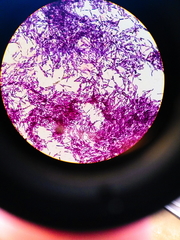 Bacillus thuringiensise0biocontrol_agent
- Outcome
- gallse3
- Direction
- reductione3
- Value
- 60.91%e0
- Comparator
- plants infected with M. incognita alonee2
Organisms pictured · Representative pictures of the matched species, not figures from the paper.
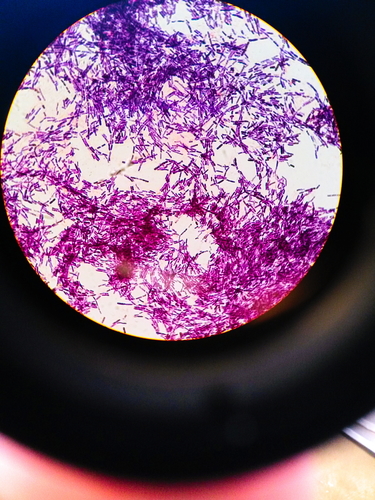
Verbatim
e0“B. thuringiensis (60.91%)”
e1“against root-knot nematode infected tomato plants”
e2“plants infected with M. incognita alone”
e3“reduction in galls was observed”
Claim · model-written summary
F. oxysporum reduced tomato galls by 27.92%.
- Taxon
- tomatoSolanum lycopersicume1
- Treatment
- F. oxysporume0
- Interactor
- M. incognitaMeloidogyne incognitae2pathogen
- Second interactor
- F. oxysporum
 Fusarium oxysporume0biocontrol_agent
- Outcome
- gallse3
- Direction
- reductione3
- Value
- 27.92%e0
- Comparator
- plants infected with M. incognita alonee2
Organisms pictured · Representative pictures of the matched species, not figures from the paper.

Verbatim
e0“F. oxysporum(27.92%)”
e1“against root-knot nematode infected tomato plants”
e2“plants infected with M. incognita alone”
e3“reduction in galls was observed”
Claim · model-written summary
Biocontrol organisms improved tomato shoot dry weight.
- Taxon
- tomatoSolanum lycopersicume0
- Treatment
- these biocontrol organismse0
- Outcome
- shoot and root dry weightse0
- Direction
- improvede0
Not reportedComparator
Organisms pictured · Representative pictures of the matched species, not figures from the paper.
Verbatim
e0“these biocontrol organisms improved the growth of tomato plants in both shoot and root dry weights”
Claim · model-written summary
F. oxysporum increased tomato root dry weight by 223.69%.
- Taxon
- tomatoSolanum lycopersicume1
- Treatment
- non-pathogenic conidia of F. oxysporume0
- Interactor
- M. incognitaMeloidogyne incognitae2pathogen
- Second interactor
- F. oxysporumFusarium oxysporume0biocontrol_agent
- Outcome
- root dry weighte3
- Direction
- increasee3
- Value
- 223.69%e0
- Comparator
- M. incognitae2
Organisms pictured · Representative pictures of the matched species, not figures from the paper.
Verbatim
e0“plants treated with non-pathogenic conidia of F. oxysporum (223.69%)”
e1“against root-knot nematode infected tomato plants”
e2“as compared with M. incognita”
e3“increase in root dry weight percentage”
Claim · model-written summary
V. chlamydosporium increased tomato root dry weight by 200.58%.
- Taxon
- tomatoSolanum lycopersicume1
- Treatment
- V. chlamydosporiume0
- Interactor
- M. incognitaMeloidogyne incognitae2pathogen
- Second interactor
- V. chlamydosporiumPochonia chlamydosporiae0biocontrol_agent
- Outcome
- root dry weighte3
- Direction
- increasee3
- Value
- 200.58%e0
- Comparator
- M. incognitae2
Organisms pictured · Representative pictures of the matched species, not figures from the paper.
Verbatim
e0“V. chlamydosporium (200.58%)”
e1“against root-knot nematode infected tomato plants”
e2“as compared with M. incognita”
e3“increase in root dry weight percentage”
Claim · model-written summary
P. lilacnus increased tomato root dry weight by 196.53%.
- Taxon
- tomatoSolanum lycopersicume1
- Treatment
- P. lilacnuse0
- Interactor
- M. incognitaMeloidogyne incognitae2pathogen
- Second interactor
- P. lilacnuse0biocontrol_agent
- Outcome
- root dry weighte3
- Direction
- increasee3
- Value
- 196.53%e0
- Comparator
- M. incognitae2
Organisms pictured · Representative pictures of the matched species, not figures from the paper.
Verbatim
e0“P. lilacnus (196.53%)”
e1“against root-knot nematode infected tomato plants”
e2“as compared with M. incognita”
e3“increase in root dry weight percentage”
Claim · model-written summary
B. thuringiensis increased tomato root dry weight by 78.03%.
- Taxon
- tomatoSolanum lycopersicume1
- Treatment
- B. thuringiensise0
- Interactor
- M. incognitaMeloidogyne incognitae2pathogen
- Second interactor
- B. thuringiensisBacillus thuringiensise0biocontrol_agent
- Outcome
- root dry weighte3
- Direction
- increasee3
- Value
- 78.03%e0
- Comparator
- M. incognitae2
Organisms pictured · Representative pictures of the matched species, not figures from the paper.
Verbatim
e0“B. thuringiensis (78.03%)”
e1“against root-knot nematode infected tomato plants”
e2“as compared with M. incognita”
e3“increase in root dry weight percentage”
Claim · model-written summary
Chicken manure reduced eggplant galls by 59.02%.
- Taxon
- eggplants
 Solanum melongenae1
- Treatment
- chicken manure alonee0
- Interactor
- root-knot nematodeMeloidogynee1pathogen
- Outcome
- galle0
- Direction
- reductione0
- Value
- 59.02%e0
Not reportedComparator
Organisms pictured · Representative pictures of the matched species, not figures from the paper.

Verbatim
e0“chicken manure alone gave the highest gall reduction (59.02%)”
e1“root-knot nematode in eggplants”
Claim · model-written summary
Eucalyptus powder reduced eggplant galls by 38.37%.
- Taxon
- eggplantsSolanum melongenae1
- Treatment
- eucalyptus leaves and stems dry powdere0
- Interactor
- root-knot nematodeMeloidogynee1pathogen
- Outcome
- galle2
- Direction
- reductione2
- Value
- 38.37%e0
Not reportedComparator
Organisms pictured · Representative pictures of the matched species, not figures from the paper.
Verbatim
e0“eucalyptus leaves and stems dry powder (38.37%)”
e1“root-knot nematode in eggplants”
e2“gall reduction”
Claim · model-written summary
Chicken manure and eucalyptus mixture reduced eggplant galls by 39.33%.
- Taxon
- eggplantsSolanum melongenae1
- Treatment
- mixture of chicken and eucalyptuse0
- Interactor
- root-knot nematodeMeloidogynee1pathogen
- Outcome
- galle2
- Direction
- reductione2
- Value
- 39.33%e0
Not reportedComparator
Organisms pictured · Representative pictures of the matched species, not figures from the paper.
Verbatim
e0“the mixture of chicken and eucalyptus (39.33%)”
e1“root-knot nematode in eggplants”
e2“gall reduction”
Claim · model-written summary
Chicken manure increased eggplant shoot dry weight by 755.6%.
- Taxon
- eggplantsSolanum melongenae1
- Treatment
- Chicken manuree0
- Outcome
- shoot dry weighte0
- Direction
- increasee0
- Value
- 755.6%e0
Not reportedComparator
Organisms pictured · Representative pictures of the matched species, not figures from the paper.
Verbatim
e0“Chicken manure gave the highest increase in shoot dry weight (755.6%)”
e1“plant growth of eggplants”
Claim · model-written summary
Chicken and eucalyptus mixture increased eggplant shoot dry weight by 570.19%.
- Taxon
- eggplantsSolanum melongenae1
- Treatment
- mixture of chicken and eucalyptuse0
- Outcome
- shoot dry weighte2
- Direction
- increasee2
- Value
- 570.19%e0
Not reportedComparator
Organisms pictured · Representative pictures of the matched species, not figures from the paper.
Verbatim
e0“mixture of chicken and eucalyptus (570.19%)”
e1“plant growth of eggplants”
e2“increase in shoot dry weight”
Claim · model-written summary
Eucalyptus treatment increased eggplant shoot dry weight by 102.33.
- Taxon
- eggplantsSolanum melongenae1
- Treatment
- eucalyptus treatmente0
- Outcome
- shoot dry weighte2
- Direction
- increasee2
- Value
- 102.33e0
Not reportedComparator
Organisms pictured · Representative pictures of the matched species, not figures from the paper.
Verbatim
e0“eucalyptus treatment (102.33)”
e1“plant growth of eggplants”
e2“increase in shoot dry weight”
The same questions in other papers
Pochonia chlamydosporia · Meloidogyne incognita · Solanum lycopersicum (tomato)Positive and negative results
10 papers in the same direction as this paper · 1 in the opposite direction
- no effect
- positive
- positive
8 papers more in this group
See all 12 papers →Bacillus thuringiensis · Meloidogyne incognita · Solanum lycopersicum (tomato)Results agree
4 papers in the same direction as this paper
- positive
- positive
- positive
1 paper more in this group
See all 5 papers →Fusarium oxysporum · Meloidogyne incognita · Solanum lycopersicum (tomato)Results agree
5 papers in the same direction as this paper
- positive
- positive
- positive
2 papers more in this group
See all 6 papers →biocontrol · growth · Solanum lycopersicum (tomato)Positive and negative results
27 papers in the same direction as this paper · 1 reporting no difference from an alternative
- no effect
- positive
- positive
25 papers more in this group
See all 29 papers →fertilization · growth · Solanum melongena (eggplant)Positive and negative results
125 papers in the same direction as this paper · 13 in the opposite direction · 1 reporting no difference from an alternative
- no effect
- negative
- negative
136 papers more in this group
See all 140 papers →botanical · Meloidogyne · Solanum melongena (eggplant)Results agree
2 papers in the same direction as this paper
- positive
- positive
fertilization · Meloidogyne · Solanum melongena (eggplant)Results agree
3 papers in the same direction as this paper
- positive
- positive
- positive
Claims are grouped by organism, treatment and what was measured or targeted. A paper counts as positive when any of its claims in the group is positive.