Abstract
This study by Krishi Vigyan Kendra, Nellore, evaluates the efficacy of biopesticides Bacillus thuringiensis (Bt) and Beauveria bassiana formulations against S. litura compared to conventional insecticides over two growing seasons (2018-19 and 2019-20). Twenty Front Line Demonstrations (FLDs) involving 20 farmers were conducted, with treatments applied when leaf damage exceeded 25%. Results indicated significant reductions in leaf damage (8.40% for biopesticides vs. 8.89% for insecticides) and larval populations. Specifically, larval counts decreased substantially after treatment, with average counts at 50 DAS dropping from 21.29 (FP) to 3.37 (Demo) in 2018-19 and from 22.15 (FP) to 3.53 (Demo) in 2019-20. Economic analysis revealed comparable net returns and benefit-cost ratios for both treatments (1.92 and 1.93 for biopesticides and insecticides, respectively). These findings support the economic viability of adopting biopesticide, promoting sustainable agricultural practices and profitability in groundnut cultivation.
Abstract from the paper’s OpenAlex record, shown for indexing and research. Copyright remains with the authors or the publisher. Read at the source ↗
The text the model read, with the source record’s inline markup (italics, sub- and superscripts) rendered and its character entities decoded; quote offsets refer to the raw text.
Claims 6
Claim · model-written summary
Biopesticides gave significant reductions in leaf damage (8.40%) compared with insecticides (8.89%).
- Taxon
- Groundnut
 Arachis hypogaeat0
- Treatment
- biopesticidese1
- Interactor
- S. litura
 Spodoptera liturae2pest
- Second interactor
- Bacillus thuringiensis (Bt)
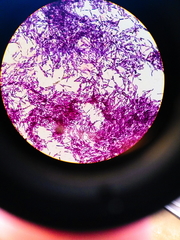 Bacillus thuringiensise2biocontrol_agent
- Outcome
- leaf damagee1
- Direction
- reductionse1
- Value
- 8.40%e1
- Qualifier
- 8.89% for insecticidese1
- Comparator
- insecticidese1
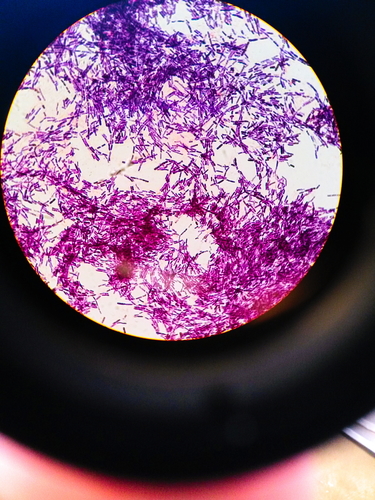
Organisms pictured · Representative pictures of the matched species, not figures from the paper.


Verbatim
t0“Spodoptera litura in Groundnut”
e1“Results indicated significant reductions in leaf damage (8.40% for biopesticides vs. 8.89% for insecticides) and larval populations”
e2“evaluates the efficacy of biopesticides Bacillus thuringiensis (Bt) and Beauveria bassiana formulations against S. litura compared to conventional insecticides”
Claim · model-written summary
Biopesticides gave significant reductions in larval populations.
- Taxon
- GroundnutArachis hypogaeat0
- Treatment
- Bacillus thuringiensis (Bt) and Beauveria bassiana formulationse2
- Interactor
- S. lituraSpodoptera liturae2pest
- Second interactor
- Beauveria bassiana
 Beauveria bassianae2biocontrol_agent
- Outcome
- larval populationse1
- Direction
- reductionse1
- Comparator
- conventional insecticidese2
Organisms pictured · Representative pictures of the matched species, not figures from the paper.

Verbatim
t0“Spodoptera litura in Groundnut”
e1“Results indicated significant reductions in leaf damage (8.40% for biopesticides vs. 8.89% for insecticides) and larval populations”
e2“evaluates the efficacy of biopesticides Bacillus thuringiensis (Bt) and Beauveria bassiana formulations against S. litura compared to conventional insecticides”
Claim · model-written summary
Larval counts at 50 DAS dropped from 21.29 (FP) to 3.37 (Demo) in 2018-19.
- Taxon
- GroundnutArachis hypogaeat0
- Treatment
- treatments applied when leaf damage exceeded 25%e6
- Interactor
- Spodoptera lituraSpodoptera liturat0pest
- Outcome
- larval countse3
- Direction
- decreased substantiallye3
- Value
- 21.29 (FP) to 3.37 (Demo)e3
- Comparator
- FPe3
- Setting
- 2018-19e3
Organisms pictured · Representative pictures of the matched species, not figures from the paper.
Verbatim
t0“Spodoptera litura in Groundnut”
e3“Specifically, larval counts decreased substantially after treatment, with average counts at 50 DAS dropping from 21.29 (FP) to 3.37 (Demo) in 2018-19 and from 22.15 (FP) to 3.53 (Demo) in 2019-20”
e6“Twenty Front Line Demonstrations (FLDs) involving 20 farmers were conducted, with treatments applied when leaf damage exceeded 25%”
Claim · model-written summary
Larval counts at 50 DAS dropped from 22.15 (FP) to 3.53 (Demo) in 2019-20.
- Taxon
- GroundnutArachis hypogaeat0
- Treatment
- treatments applied when leaf damage exceeded 25%e6
- Interactor
- Spodoptera lituraSpodoptera liturat0pest
- Outcome
- larval countse3
- Direction
- decreased substantiallye3
- Value
- 22.15 (FP) to 3.53 (Demo)e3
- Comparator
- FPe3
- Setting
- 2019-20e3
Organisms pictured · Representative pictures of the matched species, not figures from the paper.
Verbatim
t0“Spodoptera litura in Groundnut”
e3“Specifically, larval counts decreased substantially after treatment, with average counts at 50 DAS dropping from 21.29 (FP) to 3.37 (Demo) in 2018-19 and from 22.15 (FP) to 3.53 (Demo) in 2019-20”
e6“Twenty Front Line Demonstrations (FLDs) involving 20 farmers were conducted, with treatments applied when leaf damage exceeded 25%”
Claim · model-written summary
Net returns and benefit-cost ratios were comparable for biopesticides and insecticides.
- Taxon
- GroundnutArachis hypogaeat0
- Treatment
- biopesticidese4
- Outcome
- net returns and benefit-cost ratiose4
- Direction
- no_changeinferrede4
- Value
- 1.92 and 1.93e4
- Comparator
- insecticidese4
Organisms pictured · Representative pictures of the matched species, not figures from the paper.
Verbatim
t0“Spodoptera litura in Groundnut”
e4“Economic analysis revealed comparable net returns and benefit-cost ratios for both treatments (1.92 and 1.93 for biopesticides and insecticides, respectively)”
Claim · model-written summary
The findings support the economic viability of adopting biopesticides in groundnut cultivation.
- Taxon
- groundnutArachis hypogaeae5
- Outcome
- economic viability of adopting biopesticidee5
Organisms pictured · Representative pictures of the matched species, not figures from the paper.
Verbatim
e5“These findings support the economic viability of adopting biopesticide, promoting sustainable agricultural practices and profitability in groundnut cultivation”
The same questions in other papers
Bacillus thuringiensis · Spodoptera litura · Arachis hypogaea (peanut)Results agree
2 papers in the same direction as this paper
- positive
- positive
Beauveria bassiana · Spodoptera litura · Arachis hypogaea (peanut)Results agree
3 papers in the same direction as this paper
- positive
- positive
- positive
biocontrol · yield · Arachis hypogaea (peanut)Results differ
1 paper in the same direction as this paper · 13 reporting no difference from an alternative
- positive
- positive
- positive
11 papers more in this group
See all 15 papers →biocontrol · Spodoptera litura · Arachis hypogaea (peanut)Positive and negative results
1 in the opposite direction
- negative
Claims are grouped by organism, treatment and what was measured or targeted. A paper counts as positive when any of its claims in the group is positive.