Abstract
Water scarcity, climate variability, and poor soil conditions significantly constrain agriculture in arid regions, necessitating innovative irrigation approaches.This research compares the effectiveness of four climate-smart irrigation methods, namely Surface Drip Irrigation (SDI), Subsurface Drip Irrigation (SSDI), Sprinkler Irrigation (SI), and Sensor-Based Smart Irrigation (SBSI) to that of conventional Furrow Irrigation (FI) in the Barmer region of Rajasthan. Each technique was tested under the parameters like yield performance, water use efficiency (WUE), irrigated water productivity (IWP), soil moisture dynamics, energy consumption, and economic returns using a randomized complete block design across cumin, wheat, and maize crops. The findings demonstrated that both SBSI and SSDI were much more efficient than the others, with SBSI sometimes yielding over 29 percent higher IWP and more than 25 percent improvement in yields than FI. These systems also kept ideal soil moisture, minimized evaporation and energy consumption and provided better economical returns. The results affirm that the combination of precision irrigation and automation increases resource utilization and crop yield within arid agroecosystems. These systems need policy support, farmer training, and local demonstrations to be widely adopted because of their early entry costs and technical barriers.
Abstract from the paper’s OpenAlex record; open copy licensed cc-by. Read at the source ↗
The text the model read, with the source record’s inline markup (italics, sub- and superscripts) rendered and its character entities decoded; quote offsets refer to the raw text.
Claims 2
Claim · model-written summary
SBSI yielded over 29 percent higher irrigated water productivity than FI.
- Taxon
- cumin, wheat, and maize
 Triticum aestivum
 Zea mays
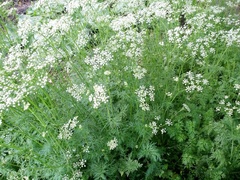 Cuminum cyminume1
- Treatment
- SBSIe0
- Outcome
- IWPe0
- Direction
- highere0
- Value
- over 29 percente0
- Comparator
- FIe0
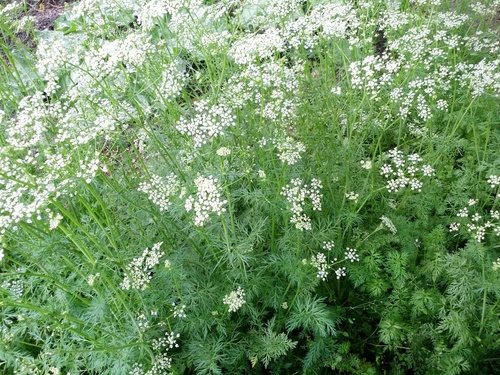
Organisms pictured · Representative pictures of the matched species, not figures from the paper.


Verbatim
e0“SBSI sometimes yielding over 29 percent higher IWP and more than 25 percent improvement in yields than FI”
e1“cumin, wheat, and maize crops”
Claim · model-written summary
SBSI improved yields by more than 25 percent versus FI.
- Taxon
- cumin, wheat, and maizeTriticum aestivumZea maysCuminum cyminume1
- Treatment
- SBSIe0
- Outcome
- yieldse0
- Direction
- improvemente0
- Value
- more than 25 percente0
- Comparator
- FIe0
Organisms pictured · Representative pictures of the matched species, not figures from the paper.
Verbatim
e0“SBSI sometimes yielding over 29 percent higher IWP and more than 25 percent improvement in yields than FI”
e1“cumin, wheat, and maize crops”
The same questions in other papers
irrigation · yield · Cuminum cyminum (cumin)Positive and negative results
10 papers in the same direction as this paper · 1 in the opposite direction
- negative
- positive
- positive
8 papers more in this group
See all 12 papers →irrigation · physiology: water · Triticum aestivum (wheat)Positive and negative results
252 papers in the same direction as this paper · 49 in the opposite direction · 1 reporting no difference from an alternative
- no effect
- no effect
- negative
299 papers more in this group
See all 303 papers →irrigation · physiology: water · Zea mays (maize)Positive and negative results
283 papers in the same direction as this paper · 39 in the opposite direction · 1 reporting no difference from an alternative
- no effect
- negative
- negative
320 papers more in this group
See all 324 papers →irrigation · yield · Triticum aestivum (wheat)Positive and negative results
797 papers in the same direction as this paper · 184 in the opposite direction · 7 reporting no difference from an alternative
- negative
- no effect
- negative
985 papers more in this group
See all 989 papers →irrigation · yield · Zea mays (maize)Positive and negative results
790 papers in the same direction as this paper · 209 in the opposite direction · 16 reporting no difference from an alternative
- negative
- no effect
- negative
1,012 papers more in this group
See all 1,016 papers →irrigation · physiology: water · Cuminum cyminum (cumin)Results agree
2 papers in the same direction as this paper
- positive
- positive
Claims are grouped by organism, treatment and what was measured or targeted. A paper counts as positive when any of its claims in the group is positive.