Abstract
The object of this study was to determine the effects of calcium sulfamate and sodium sulfanilate on certain agronomic characteristics and on rust development on spring wheat, barley, and oat varieties. Four spring wheat varieties, Centenario, Mida, Rushmore, and Nugget were planted in a split plot design with varieties as the main plots. Two spring barley varieties, Feebar and Custer, and two oat varieties, Nemaha and Kanota were planted in a separate experiment in a split-split-plot design, with crops as the main plots and varieties as the subplots. In both experiments the treatments consisted of aqueous solutions made with calcium sulfamate and sodium sulfanilate at two concentrations which were applied immediately after pollination, and 4 to 7 days later a second application was made to half of the previously treated plants. High doses of calcium sulfamate injured the plants by reducing yield, germination, kernel weight, and total weight of the plant (straw and grain). This injury was the most severe on the wheat and oats. The germination of wheat was reduced slightly more than 50 percent, oats by 62 percent, and barleys by 14 percent. The high doses of calcium sulfamate reduced rust infection in all three crops. Sodium sulfanilate increased the yields and kernel weights in all three crops and the germination of seed was not affected. This chemical gave no control of rust except in the case of Custer barley. Another experiment was planted with Mida spring wheat and treated at six stages of growth with aqueous solutions of calcium sulfamate and sodium sulfanilate. The stage of growth at which the chemicals must be applied appeared to play an important role in their use. Calcium sulfamate injured the plants when applied at tillering stage, immediately after bloom, and seven or nine days after bloom. When this chemical was applied at bloom and boot stages no injury was apparent, and the yields were higher than that for the check. Sodium sulfanilate did not injure the plants at any stage or give any rust control. On the other hand the yields and kernel weights were increased considerably when this chemical was applied at one week after bloom which suggests that this chemical although it does not control rust has some stimulative effect. Advisors: L. P. Reitz and J. E. Livingston
Abstract from the paper’s OpenAlex record, shown for indexing and research. Copyright remains with the authors or the publisher. Read at the source ↗
The text the model read, with the source record’s inline markup (italics, sub- and superscripts) rendered and its character entities decoded; quote offsets refer to the raw text.
Claims 13
Claim · model-written summary
High calcium sulfamate doses reduced wheat yield, germination, kernel weight and plant weight.
- Taxon
- wheat
 Triticum aestivume0
- Treatment
- High doses of calcium sulfamatee0
- Outcome
- yield, germination, kernel weight, and total weight of the plante0
- Direction
- reducinge0
Not reportedComparator
Organisms pictured · Representative pictures of the matched species, not figures from the paper.

Verbatim
e0“High doses of calcium sulfamate injured the plants by reducing yield, germination, kernel weight, and total weight of the plant (straw and grain). This injury was the most severe on the wheat and oats.”
Claim · model-written summary
High calcium sulfamate doses injured oats especially severely.
- Taxon
- oats
 Avena sativae0
- Outcome
- injurye0
- Direction
- most severee0
Not reportedTreatmentComparator
Organisms pictured · Representative pictures of the matched species, not figures from the paper.

Verbatim
e0“This injury was the most severe on the wheat and oats.”
Claim · model-written summary
Wheat germination fell slightly more than 50 percent.
- Taxon
- wheatTriticum aestivume0
- Outcome
- germination of wheate0
- Direction
- reducede0
- Value
- slightly more than 50 percente0
Not reportedTreatmentComparator
Organisms pictured · Representative pictures of the matched species, not figures from the paper.
Verbatim
e0“The germination of wheat was reduced slightly more than 50 percent, oats by 62 percent, and barleys by 14 percent.”
Claim · model-written summary
Oat germination fell by 62 percent.
- Taxon
- oatsAvena sativae0
- Outcome
- germinatione0
- Direction
- reducede0
- Value
- 62 percente0
Not reportedTreatmentComparator
Organisms pictured · Representative pictures of the matched species, not figures from the paper.
Verbatim
e0“The germination of wheat was reduced slightly more than 50 percent, oats by 62 percent, and barleys by 14 percent.”
Claim · model-written summary
Barley germination fell by 14 percent.
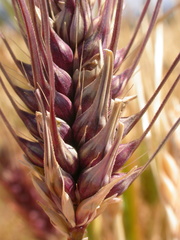 Hordeum
Not reportedTreatmentComparator
Organisms pictured · Representative pictures of the matched species, not figures from the paper.
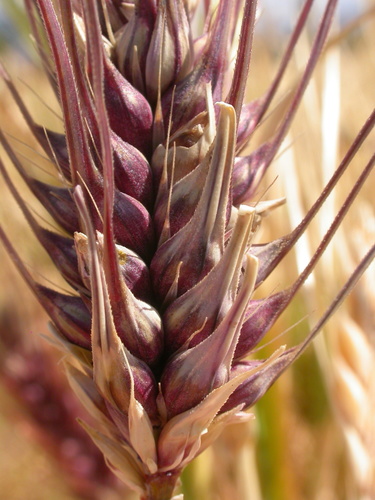
Verbatim
e0“The germination of wheat was reduced slightly more than 50 percent, oats by 62 percent, and barleys by 14 percent.”
Claim · model-written summary
High calcium sulfamate doses reduced rust infection in wheat, barley and oats.
- Taxon
- Spring Wheat and Barley and OatsAvena sativa
 Hordeum vulgareTriticum aestivumt0
- Treatment
- high doses of calcium sulfamatee0
- Outcome
- rust infectione0
- Direction
- reducede0
Not reportedComparator
Organisms pictured · Representative pictures of the matched species, not figures from the paper.

Verbatim
e0“The high doses of calcium sulfamate reduced rust infection in all three crops.”
t0“Spring Wheat and Barley and Oats”
Claim · model-written summary
Sodium sulfanilate increased yields and kernel weights in all three crops.
- Taxon
- Spring Wheat and Barley and OatsAvena sativaHordeum vulgareTriticum aestivumt0
- Treatment
- Sodium sulfanilatee0
- Outcome
- yields and kernel weightse0
- Direction
- increasede0
Not reportedComparator
Organisms pictured · Representative pictures of the matched species, not figures from the paper.
Verbatim
e0“Sodium sulfanilate increased the yields and kernel weights in all three crops”
t0“Spring Wheat and Barley and Oats”
Claim · model-written summary
Sodium sulfanilate did not affect seed germination.
- Taxon
- Spring Wheat and Barley and OatsAvena sativaHordeum vulgareTriticum aestivumt0
- Treatment
- Sodium sulfanilatee0
- Outcome
- germination of seede0
- Direction
- not affectede0
Not reportedComparator
Organisms pictured · Representative pictures of the matched species, not figures from the paper.
Verbatim
e0“Sodium sulfanilate increased the yields and kernel weights in all three crops and the germination of seed was not affected.”
t0“Spring Wheat and Barley and Oats”
Claim · model-written summary
Sodium sulfanilate controlled rust only in Custer barley.
- Taxon
- barleyHordeum vulgaree0
- Material
- Custere0
- Treatment
- This chemicale0
- Outcome
- control of ruste0
- Direction
- no controle0
Not reportedComparator
Organisms pictured · Representative pictures of the matched species, not figures from the paper.
Verbatim
e0“This chemical gave no control of rust except in the case of Custer barley.”
Claim · model-written summary
Calcium sulfamate injured Mida wheat at tillering, immediately after bloom, and seven or nine days after bloom.
- Taxon
- Spring WheatTriticum aestivumt0
- Treatment
- Calcium sulfamatee0
- Outcome
- injured the plantse0
- Direction
- injurede0
- Qualifier
- tillering stage, immediately after bloom, and seven or nine days after bloome0
Not reportedComparator
Organisms pictured · Representative pictures of the matched species, not figures from the paper.
Verbatim
e0“Calcium sulfamate injured the plants when applied at tillering stage, immediately after bloom, and seven or nine days after bloom.”
t0“Spring Wheat”
Claim · model-written summary
Calcium sulfamate at bloom and boot caused no apparent injury and yields exceeded the check.
- Taxon
- Spring WheatTriticum aestivumt0
- Treatment
- this chemicale0
- Outcome
- yieldse0
- Direction
- highere0
- Qualifier
- bloom and boot stagese0
- Comparator
- the checke0
Organisms pictured · Representative pictures of the matched species, not figures from the paper.
Verbatim
e0“When this chemical was applied at bloom and boot stages no injury was apparent, and the yields were higher than that for the check.”
t0“Spring Wheat”
Claim · model-written summary
Sodium sulfanilate did not injure Mida wheat at any stage or control rust.
- Taxon
- Spring WheatTriticum aestivumt0
- Treatment
- Sodium sulfanilatee0
- Outcome
- rust controle0
- Direction
- did note0
Not reportedComparator
Organisms pictured · Representative pictures of the matched species, not figures from the paper.
Verbatim
e0“Sodium sulfanilate did not injure the plants at any stage or give any rust control.”
t0“Spring Wheat”
Claim · model-written summary
Sodium sulfanilate one week after bloom considerably increased yields and kernel weights.
- Taxon
- Spring WheatTriticum aestivumt0
- Treatment
- this chemicale0
- Outcome
- yields and kernel weightse0
- Direction
- increasede0
- Qualifier
- one week after bloome0
Not reportedComparator
Organisms pictured · Representative pictures of the matched species, not figures from the paper.
Verbatim
e0“the yields and kernel weights were increased considerably when this chemical was applied at one week after bloom”
t0“Spring Wheat”
The same questions in other papers
calcium atom · yield · Triticum aestivum (wheat)Results differ
6 papers in the same direction as this paper · 18 in the opposite direction
- positive
- positive
- positive
21 papers more in this group
See all 25 papers →calcium atom · disease · Triticum aestivum (wheat)Positive and negative results
1 paper in the same direction as this paper · 1 in the opposite direction
- negative
- positive
calcium atom · crop injury · Triticum aestivum (wheat)Positive and negative results
2 in the opposite direction
- positive
- positive
calcium atom · disease · Hordeum vulgare (barley)Positive and negative results
2 papers in the same direction as this paper · 2 in the opposite direction
- negative
- negative
- positive
1 paper more in this group
See all 5 papers →sodium atom · disease · Triticum aestivum (wheat)Positive and negative results
5 in the opposite direction
- positive
- positive
- positive
2 papers more in this group
See all 6 papers →sodium atom · yield · Triticum aestivum (wheat)Positive and negative results
5 papers in the same direction as this paper · 1 in the opposite direction · 1 reporting no difference from an alternative
- no effect
- no effect
- positive
4 papers more in this group
See all 8 papers →sodium atom · growth · Triticum aestivum (wheat)Positive and negative results
5 papers in the same direction as this paper · 9 in the opposite direction
- positive
- positive
- positive
11 papers more in this group
See all 15 papers →sodium atom · yield · Avena sativa (oats)Results agree
1 paper in the same direction as this paper
- positive
8 of 11 groups shown: named compounds and organisms first, then groups whose results differ (checked claim by claim), then those with positive and negative results, then the smaller groups.
Claims are grouped by organism, treatment and what was measured or targeted. A paper counts as positive when any of its claims in the group is positive.