Abstract
In this research, two field crops (Zea mays L. and Phaseolus vulgaris L.), two medicinal plants (Hyssopus officinalis L. and Nigella sativa L.) and two weeds (Amaranthus retroflexus L. and Taraxacum officinale F. H. Wigg) were separately treated with three concentrations of SiO 2 nanoparticles (400, 2,000, and 4,000 mg L -1 ). The effects of these treatments on morphological and biochemical characteristics of the plants were assessed, including germination, root and shoot length, root and shoot fresh weight, root and shoot dry weight, photosynthetic pigments, total carbohydrates, total protein, total amino acid, and proline content. In the crops and medicinal plants, 400 mg L -1 SiO 2 NPs significantly increased seed germination, root and shoot lengths, fresh weights (except for H. officinalis ) and dry weights, photosynthetic pigments, total protein, and total amino acid (except for H. officinalis ). In weeds, as SiO 2 NP concentration increased from 400 to 4,000 mg L -1 , germination, root and shoot lengths, fresh and dry weights, and photosynthetic pigments as well as total protein decreased. Total carbohydrates in all plants decreased significantly, except for A. retroflexus at 400 mg L -1 SiO 2 NPs. In all plant species, with increasing SiO 2 NP concentration, proline content increased significantly. According to these results, a lower concentration of SiO 2 NPs can have beneficial effects on morphological, physiological, and biochemical characteristics of plants.
Abstract from the paper’s OpenAlex record, shown for indexing and research. Copyright remains with the authors or the publisher.
The text the model read, with the source record’s inline markup (italics, sub- and superscripts) rendered and its character entities decoded; quote offsets refer to the raw text.
Claims 19
Claim · model-written summary
Zea mays L.: 400 mg L -1 SiO2 nanoparticles increased seed germination, root and shoot lengths.
- Treatment
- 400 mg L -1 SiO 2 NPse0
- Outcome
- seed germination, root and shoot lengthse0
- Direction
- increasede0
 Zea mays
Not reportedComparator
Organisms pictured · Representative pictures of the matched species, not figures from the paper.

Verbatim
e0“In the crops and medicinal plants, 400 mg L -1 SiO 2 NPs significantly increased seed germination, root and shoot lengths, fresh weights (except for H. officinalis ) and dry weights, photosynthetic pigments, total protein, and total amino acid (except for H. officinalis ).”
t0“Morphological, Physiological and Biochemical Responses of Crops (Zea mays L., Phaseolus vulgaris L.), Medicinal Plants (Hyssopus officinalis L., Nigella sativa L.), and Weeds (Amaranthus retroflexus L., Taraxacum officinale F. H. Wigg) Exposed to SiO2 Nanoparticles”
Claim · model-written summary
Zea mays L.: 400 mg L -1 SiO2 nanoparticles increased dry weights, photosynthetic pigments, total protein.
- Treatment
- 400 mg L -1 SiO 2 NPse0
- Outcome
- dry weights, photosynthetic pigments, total proteine0
- Direction
- increasede0
Not reportedComparator
Organisms pictured · Representative pictures of the matched species, not figures from the paper.
Verbatim
e0“In the crops and medicinal plants, 400 mg L -1 SiO 2 NPs significantly increased seed germination, root and shoot lengths, fresh weights (except for H. officinalis ) and dry weights, photosynthetic pigments, total protein, and total amino acid (except for H. officinalis ).”
t0“Morphological, Physiological and Biochemical Responses of Crops (Zea mays L., Phaseolus vulgaris L.), Medicinal Plants (Hyssopus officinalis L., Nigella sativa L.), and Weeds (Amaranthus retroflexus L., Taraxacum officinale F. H. Wigg) Exposed to SiO2 Nanoparticles”
Claim · model-written summary
Zea mays L.: 400 mg L -1 SiO2 nanoparticles increased total amino acid.
Not reportedComparator
Organisms pictured · Representative pictures of the matched species, not figures from the paper.
Verbatim
e0“In the crops and medicinal plants, 400 mg L -1 SiO 2 NPs significantly increased seed germination, root and shoot lengths, fresh weights (except for H. officinalis ) and dry weights, photosynthetic pigments, total protein, and total amino acid (except for H. officinalis ).”
t0“Morphological, Physiological and Biochemical Responses of Crops (Zea mays L., Phaseolus vulgaris L.), Medicinal Plants (Hyssopus officinalis L., Nigella sativa L.), and Weeds (Amaranthus retroflexus L., Taraxacum officinale F. H. Wigg) Exposed to SiO2 Nanoparticles”
Claim · model-written summary
Zea mays L.: treatment increased fresh weights.
Not reportedComparator
Organisms pictured · Representative pictures of the matched species, not figures from the paper.
Verbatim
e0“In the crops and medicinal plants, 400 mg L -1 SiO 2 NPs significantly increased seed germination, root and shoot lengths, fresh weights (except for H. officinalis ) and dry weights, photosynthetic pigments, total protein, and total amino acid (except for H. officinalis ).”
t0“Morphological, Physiological and Biochemical Responses of Crops (Zea mays L., Phaseolus vulgaris L.), Medicinal Plants (Hyssopus officinalis L., Nigella sativa L.), and Weeds (Amaranthus retroflexus L., Taraxacum officinale F. H. Wigg) Exposed to SiO2 Nanoparticles”
Claim · model-written summary
Phaseolus vulgaris L.: 400 mg L -1 SiO2 nanoparticles increased seed germination, root and shoot lengths.
- Taxon
- Phaseolus vulgaris L.
 Phaseolus vulgarist0
- Treatment
- 400 mg L -1 SiO 2 NPse0
- Outcome
- seed germination, root and shoot lengthse0
- Direction
- increasede0
Not reportedComparator
Organisms pictured · Representative pictures of the matched species, not figures from the paper.

Verbatim
e0“In the crops and medicinal plants, 400 mg L -1 SiO 2 NPs significantly increased seed germination, root and shoot lengths, fresh weights (except for H. officinalis ) and dry weights, photosynthetic pigments, total protein, and total amino acid (except for H. officinalis ).”
t0“Morphological, Physiological and Biochemical Responses of Crops (Zea mays L., Phaseolus vulgaris L.), Medicinal Plants (Hyssopus officinalis L., Nigella sativa L.), and Weeds (Amaranthus retroflexus L., Taraxacum officinale F. H. Wigg) Exposed to SiO2 Nanoparticles”
Claim · model-written summary
Phaseolus vulgaris L.: 400 mg L -1 SiO2 nanoparticles increased dry weights, photosynthetic pigments, total protein.
- Taxon
- Phaseolus vulgaris L.Phaseolus vulgarist0
- Treatment
- 400 mg L -1 SiO 2 NPse0
- Outcome
- dry weights, photosynthetic pigments, total proteine0
- Direction
- increasede0
Not reportedComparator
Organisms pictured · Representative pictures of the matched species, not figures from the paper.
Verbatim
e0“In the crops and medicinal plants, 400 mg L -1 SiO 2 NPs significantly increased seed germination, root and shoot lengths, fresh weights (except for H. officinalis ) and dry weights, photosynthetic pigments, total protein, and total amino acid (except for H. officinalis ).”
t0“Morphological, Physiological and Biochemical Responses of Crops (Zea mays L., Phaseolus vulgaris L.), Medicinal Plants (Hyssopus officinalis L., Nigella sativa L.), and Weeds (Amaranthus retroflexus L., Taraxacum officinale F. H. Wigg) Exposed to SiO2 Nanoparticles”
Claim · model-written summary
Phaseolus vulgaris L.: 400 mg L -1 SiO2 nanoparticles increased total amino acid.
- Taxon
- Phaseolus vulgaris L.Phaseolus vulgarist0
- Treatment
- 400 mg L -1 SiO 2 NPse0
- Outcome
- total amino acide0
- Direction
- increasede0
Not reportedComparator
Organisms pictured · Representative pictures of the matched species, not figures from the paper.
Verbatim
e0“In the crops and medicinal plants, 400 mg L -1 SiO 2 NPs significantly increased seed germination, root and shoot lengths, fresh weights (except for H. officinalis ) and dry weights, photosynthetic pigments, total protein, and total amino acid (except for H. officinalis ).”
t0“Morphological, Physiological and Biochemical Responses of Crops (Zea mays L., Phaseolus vulgaris L.), Medicinal Plants (Hyssopus officinalis L., Nigella sativa L.), and Weeds (Amaranthus retroflexus L., Taraxacum officinale F. H. Wigg) Exposed to SiO2 Nanoparticles”
Claim · model-written summary
Phaseolus vulgaris L.: treatment increased fresh weights.
- Taxon
- Phaseolus vulgaris L.Phaseolus vulgarist0
- Treatment
- 400 mg L -1 SiO 2 NPse0
- Outcome
- fresh weightse0
- Direction
- increasede0
Not reportedComparator
Organisms pictured · Representative pictures of the matched species, not figures from the paper.
Verbatim
e0“In the crops and medicinal plants, 400 mg L -1 SiO 2 NPs significantly increased seed germination, root and shoot lengths, fresh weights (except for H. officinalis ) and dry weights, photosynthetic pigments, total protein, and total amino acid (except for H. officinalis ).”
t0“Morphological, Physiological and Biochemical Responses of Crops (Zea mays L., Phaseolus vulgaris L.), Medicinal Plants (Hyssopus officinalis L., Nigella sativa L.), and Weeds (Amaranthus retroflexus L., Taraxacum officinale F. H. Wigg) Exposed to SiO2 Nanoparticles”
Claim · model-written summary
Hyssopus officinalis L.: 400 mg L -1 SiO2 nanoparticles increased seed germination, root and shoot lengths.
- Taxon
- Hyssopus officinalis L.
 Dracocephalum officinalet0
- Treatment
- 400 mg L -1 SiO 2 NPse0
- Outcome
- seed germination, root and shoot lengthse0
- Direction
- increasede0
Not reportedComparator
Organisms pictured · Representative pictures of the matched species, not figures from the paper.

Verbatim
e0“In the crops and medicinal plants, 400 mg L -1 SiO 2 NPs significantly increased seed germination, root and shoot lengths, fresh weights (except for H. officinalis ) and dry weights, photosynthetic pigments, total protein, and total amino acid (except for H. officinalis ).”
t0“Morphological, Physiological and Biochemical Responses of Crops (Zea mays L., Phaseolus vulgaris L.), Medicinal Plants (Hyssopus officinalis L., Nigella sativa L.), and Weeds (Amaranthus retroflexus L., Taraxacum officinale F. H. Wigg) Exposed to SiO2 Nanoparticles”
Claim · model-written summary
Hyssopus officinalis L.: 400 mg L -1 SiO2 nanoparticles increased dry weights, photosynthetic pigments, total protein.
- Taxon
- Hyssopus officinalis L.Dracocephalum officinalet0
- Treatment
- 400 mg L -1 SiO 2 NPse0
- Outcome
- dry weights, photosynthetic pigments, total proteine0
- Direction
- increasede0
Not reportedComparator
Organisms pictured · Representative pictures of the matched species, not figures from the paper.
Verbatim
e0“In the crops and medicinal plants, 400 mg L -1 SiO 2 NPs significantly increased seed germination, root and shoot lengths, fresh weights (except for H. officinalis ) and dry weights, photosynthetic pigments, total protein, and total amino acid (except for H. officinalis ).”
t0“Morphological, Physiological and Biochemical Responses of Crops (Zea mays L., Phaseolus vulgaris L.), Medicinal Plants (Hyssopus officinalis L., Nigella sativa L.), and Weeds (Amaranthus retroflexus L., Taraxacum officinale F. H. Wigg) Exposed to SiO2 Nanoparticles”
Claim · model-written summary
Nigella sativa L.: 400 mg L -1 SiO2 nanoparticles increased seed germination, root and shoot lengths.
- Taxon
- Nigella sativa L.
 Nigella sativat0
- Treatment
- 400 mg L -1 SiO 2 NPse0
- Outcome
- seed germination, root and shoot lengthse0
- Direction
- increasede0
Not reportedComparator
Organisms pictured · Representative pictures of the matched species, not figures from the paper.

Verbatim
e0“In the crops and medicinal plants, 400 mg L -1 SiO 2 NPs significantly increased seed germination, root and shoot lengths, fresh weights (except for H. officinalis ) and dry weights, photosynthetic pigments, total protein, and total amino acid (except for H. officinalis ).”
t0“Morphological, Physiological and Biochemical Responses of Crops (Zea mays L., Phaseolus vulgaris L.), Medicinal Plants (Hyssopus officinalis L., Nigella sativa L.), and Weeds (Amaranthus retroflexus L., Taraxacum officinale F. H. Wigg) Exposed to SiO2 Nanoparticles”
Claim · model-written summary
Nigella sativa L.: 400 mg L -1 SiO2 nanoparticles increased dry weights, photosynthetic pigments, total protein.
- Taxon
- Nigella sativa L.Nigella sativat0
- Treatment
- 400 mg L -1 SiO 2 NPse0
- Outcome
- dry weights, photosynthetic pigments, total proteine0
- Direction
- increasede0
Not reportedComparator
Organisms pictured · Representative pictures of the matched species, not figures from the paper.
Verbatim
e0“In the crops and medicinal plants, 400 mg L -1 SiO 2 NPs significantly increased seed germination, root and shoot lengths, fresh weights (except for H. officinalis ) and dry weights, photosynthetic pigments, total protein, and total amino acid (except for H. officinalis ).”
t0“Morphological, Physiological and Biochemical Responses of Crops (Zea mays L., Phaseolus vulgaris L.), Medicinal Plants (Hyssopus officinalis L., Nigella sativa L.), and Weeds (Amaranthus retroflexus L., Taraxacum officinale F. H. Wigg) Exposed to SiO2 Nanoparticles”
Claim · model-written summary
Nigella sativa L.: 400 mg L -1 SiO2 nanoparticles increased total amino acid.
- Taxon
- Nigella sativa L.Nigella sativat0
- Treatment
- 400 mg L -1 SiO 2 NPse0
- Outcome
- total amino acide0
- Direction
- increasede0
Not reportedComparator
Organisms pictured · Representative pictures of the matched species, not figures from the paper.
Verbatim
e0“In the crops and medicinal plants, 400 mg L -1 SiO 2 NPs significantly increased seed germination, root and shoot lengths, fresh weights (except for H. officinalis ) and dry weights, photosynthetic pigments, total protein, and total amino acid (except for H. officinalis ).”
t0“Morphological, Physiological and Biochemical Responses of Crops (Zea mays L., Phaseolus vulgaris L.), Medicinal Plants (Hyssopus officinalis L., Nigella sativa L.), and Weeds (Amaranthus retroflexus L., Taraxacum officinale F. H. Wigg) Exposed to SiO2 Nanoparticles”
Claim · model-written summary
Nigella sativa L.: treatment increased fresh weights.
- Taxon
- Nigella sativa L.Nigella sativat0
- Treatment
- 400 mg L -1 SiO 2 NPse0
- Outcome
- fresh weightse0
- Direction
- increasede0
Not reportedComparator
Organisms pictured · Representative pictures of the matched species, not figures from the paper.
Verbatim
e0“In the crops and medicinal plants, 400 mg L -1 SiO 2 NPs significantly increased seed germination, root and shoot lengths, fresh weights (except for H. officinalis ) and dry weights, photosynthetic pigments, total protein, and total amino acid (except for H. officinalis ).”
t0“Morphological, Physiological and Biochemical Responses of Crops (Zea mays L., Phaseolus vulgaris L.), Medicinal Plants (Hyssopus officinalis L., Nigella sativa L.), and Weeds (Amaranthus retroflexus L., Taraxacum officinale F. H. Wigg) Exposed to SiO2 Nanoparticles”
Claim · model-written summary
Amaranthus retroflexus L.: increasing SiO2 nanoparticle concentration decreased germination, root and shoot lengths, fresh and dry weights, and photosynthetic pigments as well as total protein.
- Taxon
- Amaranthus retroflexus L.
 Amaranthus retroflexust0
- Treatment
- SiO 2 NP concentratione0
- Outcome
- germination, root and shoot lengths, fresh and dry weights, and photosynthetic pigments as well as total proteine0
- Direction
- decreasede0
- Comparator
- 400 to 4,000 mg L -1e0
Organisms pictured · Representative pictures of the matched species, not figures from the paper.

Verbatim
e0“In weeds, as SiO 2 NP concentration increased from 400 to 4,000 mg L -1 , germination, root and shoot lengths, fresh and dry weights, and photosynthetic pigments as well as total protein decreased.”
t0“Morphological, Physiological and Biochemical Responses of Crops (Zea mays L., Phaseolus vulgaris L.), Medicinal Plants (Hyssopus officinalis L., Nigella sativa L.), and Weeds (Amaranthus retroflexus L., Taraxacum officinale F. H. Wigg) Exposed to SiO2 Nanoparticles”
Claim · model-written summary
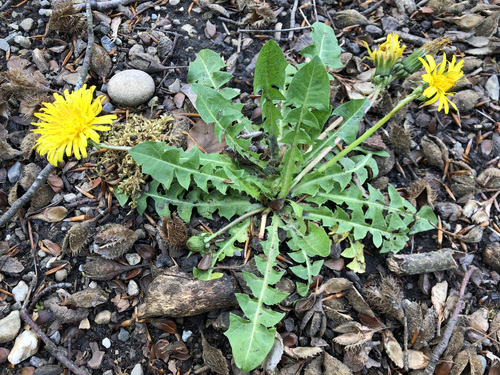
Taraxacum officinale F. H. Wigg: increasing SiO2 nanoparticle concentration decreased germination, root and shoot lengths, fresh and dry weights, and photosynthetic pigments as well as total protein.
- Taxon
- Taraxacum officinale F. H. Wigg
 Taraxacum officinalet0
- Treatment
- SiO 2 NP concentratione0
- Outcome
- germination, root and shoot lengths, fresh and dry weights, and photosynthetic pigments as well as total proteine0
- Direction
- decreasede0
- Comparator
- 400 to 4,000 mg L -1e0
Organisms pictured · Representative pictures of the matched species, not figures from the paper.
Verbatim
e0“In weeds, as SiO 2 NP concentration increased from 400 to 4,000 mg L -1 , germination, root and shoot lengths, fresh and dry weights, and photosynthetic pigments as well as total protein decreased.”
t0“Morphological, Physiological and Biochemical Responses of Crops (Zea mays L., Phaseolus vulgaris L.), Medicinal Plants (Hyssopus officinalis L., Nigella sativa L.), and Weeds (Amaranthus retroflexus L., Taraxacum officinale F. H. Wigg) Exposed to SiO2 Nanoparticles”
Claim · model-written summary
Total carbohydrates decreased in the studied plants except A. retroflexus at 400 mg L -1.
- Taxon
- plantsViridiplantaee0
- Treatment
- SiO 2 NPse0
- Outcome
- Total carbohydratese0
- Direction
- decreasede0
- Qualifier
- except for A. retroflexus at 400 mg L -1 SiO 2 NPse0
Not reportedComparator
Verbatim
e0“Total carbohydrates in all plants decreased significantly, except for A. retroflexus at 400 mg L -1 SiO 2 NPs.”
Claim · model-written summary
Proline content increased with SiO2 nanoparticle concentration in all studied plant species.
Verbatim
e0“In all plant species, with increasing SiO 2 NP concentration, proline content increased significantly.”
Claim · model-written summary
A lower SiO2 nanoparticle concentration may benefit plant morphology, physiology and biochemistry.
- Taxon
- plantsViridiplantaee0
- Outcome
- lower concentration of SiO 2 NPs can have beneficial effects on morphological, physiological, and biochemical characteristicse0
Verbatim
e0“According to these results, a lower concentration of SiO 2 NPs can have beneficial effects on morphological, physiological, and biochemical characteristics of plants.”
The same questions in other papers
silicon dioxide · growth · Phaseolus vulgaris (common bean)Results agree
1 paper in the same direction as this paper
- positive
silicon dioxide · physiology: photosynthesis · Zea mays (maize)Results agree
3 papers in the same direction as this paper
- positive
- positive
- positive
silicon dioxide · molecular: metabolites · Zea mays (maize)Results agree
4 papers in the same direction as this paper
- positive
- positive
- positive
1 paper more in this group
See all 5 papers →silicon dioxide · growth · Zea mays (maize)Results agree
7 papers in the same direction as this paper
- positive
- positive
- positive
4 papers more in this group
See all 8 papers →nanoparticle · molecular: metabolites · Phaseolus vulgaris (common bean)Positive and negative results
7 papers in the same direction as this paper · 1 in the opposite direction
- no effect
- positive
- positive
5 papers more in this group
See all 9 papers →nanoparticle · physiology: photosynthesis · Phaseolus vulgaris (common bean)Positive and negative results
8 papers in the same direction as this paper · 2 in the opposite direction
- no effect
- negative
- positive
7 papers more in this group
See all 11 papers →nanoparticle · molecular: metabolites · Zea mays (maize)Positive and negative results
22 papers in the same direction as this paper · 1 in the opposite direction
- negative
- positive
- positive
20 papers more in this group
See all 24 papers →nanoparticle · physiology: photosynthesis · Zea mays (maize)Positive and negative results
34 papers in the same direction as this paper · 4 in the opposite direction
- negative
- negative
- no effect
35 papers more in this group
See all 39 papers →8 of 10 groups shown: named compounds and organisms first, then groups whose results differ (checked claim by claim), then those with positive and negative results, then the smaller groups.
Claims are grouped by organism, treatment and what was measured or targeted. A paper counts as positive when any of its claims in the group is positive.