Abstract
An experiment conducted during rabi, 2015-16 to evaluate the efficacy of bio-pesticides and indoxacarb against gram pod borer on chickpea from six treatments viz., Indoxacarb, Bacillus thuringiensis, Nuclear Polyhedrosis Virus, NSKE, Azadirachtin and Garlic extract. The indoxacarb 14.5 SC (1.0 ml/lit.) was found most effective in crop protection. NSKE (5.0 ml/ha), azadirachtin 0.3 EC (5.0 ml/lit.), HaNPV (250 LE/ha) and B. thuringiensis (1000 ml/ha) were found moderately effective in reducing pod borer population, while garlic extract (10 ml/lit.) was found least effective. The minimum pod damage (4.69%) was recorded in treatment of indoxacarb followed by NSKE (10.41%) and azadirachtin (10.84%). The maximum pod damage (14.27%) was found in garlic extract treatment, while it was 20.95% in control. The maximum seed yield was obtained in the treatment of indoxacarb 14.5 SC (16.49 q/ha) whereas it was minimum in garlic extract (10.10 q/ha) treatment. Maximum B:C ratio was obtained in the treatment indoxacarb (9.52), while minimum in garlic extract (0.17).
Abstract from the paper’s OpenAlex record, shown for indexing and research. Copyright remains with the authors or the publisher. Read at the source ↗
The text the model read, with the source record’s inline markup (italics, sub- and superscripts) rendered and its character entities decoded; quote offsets refer to the raw text.
Claims 14
Claim · model-written summary
Indoxacarb 14.5 SC was the most effective crop-protection treatment.
- Taxon
- chickpea
 Cicer arietinumt0
- Treatment
- indoxacarb 14.5 SC (1.0 ml/lit.)e0
- Interactor
- gram pod borert0pest
- Outcome
- crop protectione0
- Direction
- most effectivee0
Not reportedComparator
Organisms pictured · Representative pictures of the matched species, not figures from the paper.

Verbatim
e0“The indoxacarb 14.5 SC (1.0 ml/lit.) was found most effective in crop protection”
t0“gram pod borer on chickpea”
Claim · model-written summary
NSKE was moderately effective against pod borer population.
- Taxon
- chickpeaCicer arietinumt0
- Treatment
- NSKE (5.0 ml/ha)e0
- Interactor
- pod borere0pest
- Outcome
- pod borer populatione0
- Direction
- reducinge0
Not reportedComparator
Organisms pictured · Representative pictures of the matched species, not figures from the paper.
Verbatim
e0“NSKE (5.0 ml/ha), azadirachtin 0.3 EC (5.0 ml/lit.), HaNPV (250 LE/ha) and B. thuringiensis (1000 ml/ha) were found moderately effective in reducing pod borer population”
t0“chickpea”
Claim · model-written summary
Azadirachtin was moderately effective in reducing pod borer population.
- Taxon
- chickpeaCicer arietinumt0
- Treatment
- azadirachtin 0.3 EC (5.0 ml/lit.)e0
- Interactor
- pod borere0pest
- Outcome
- pod borer populatione0
- Direction
- reducinge0
Not reportedComparator
Organisms pictured · Representative pictures of the matched species, not figures from the paper.
Verbatim
e0“azadirachtin 0.3 EC (5.0 ml/lit.), HaNPV (250 LE/ha) and B. thuringiensis (1000 ml/ha) were found moderately effective in reducing pod borer population”
t0“chickpea”
Claim · model-written summary
HaNPV was moderately effective in reducing pod borer population.
- Taxon
- chickpeaCicer arietinumt0
- Treatment
- HaNPV (250 LE/ha)e0
- Interactor
- pod borere0pest
- Outcome
- pod borer populatione0
- Direction
- reducinge0
Not reportedComparator
Organisms pictured · Representative pictures of the matched species, not figures from the paper.
Verbatim
e0“HaNPV (250 LE/ha) and B. thuringiensis (1000 ml/ha) were found moderately effective in reducing pod borer population”
t0“chickpea”
Claim · model-written summary
B. thuringiensis was moderately effective in reducing pod borer population.
- Taxon
- chickpeaCicer arietinumt0
- Treatment
- B. thuringiensis (1000 ml/ha)e0
- Interactor
- pod borere0pest
- Second interactor
- B. thuringiensis
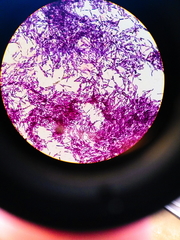 Bacillus thuringiensise0biocontrol_agent
- Outcome
- pod borer populatione0
- Direction
- reducinge0
Not reportedComparator
Organisms pictured · Representative pictures of the matched species, not figures from the paper.
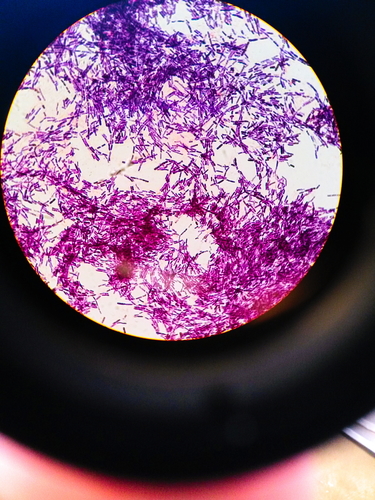
Verbatim
e0“B. thuringiensis (1000 ml/ha) were found moderately effective in reducing pod borer population”
t0“chickpea”
Claim · model-written summary
Garlic extract was least effective against pod borer.
- Taxon
- chickpeaCicer arietinumt0
- Treatment
- garlic extract (10 ml/lit.)e0
- Interactor
- gram pod borert0pest
- Outcome
- least effectivee0
- Direction
- least effectivee0
Not reportedComparator
Organisms pictured · Representative pictures of the matched species, not figures from the paper.
Verbatim
e0“garlic extract (10 ml/lit.) was found least effective”
t0“gram pod borer on chickpea”
Claim · model-written summary
Indoxacarb had the minimum pod damage of 4.69%.
- Taxon
- chickpeaCicer arietinumt0
- Treatment
- indoxacarbe0
- Interactor
- gram pod borert0pest
- Outcome
- pod damagee0
- Direction
- minimume0
- Value
- 4.69%e0
Not reportedComparator
Organisms pictured · Representative pictures of the matched species, not figures from the paper.
Verbatim
e0“The minimum pod damage (4.69%) was recorded in treatment of indoxacarb”
t0“gram pod borer on chickpea”
Claim · model-written summary
NSKE had pod damage of 10.41%.
- Taxon
- chickpeaCicer arietinumt0
- Treatment
- NSKEe0
- Interactor
- gram pod borert0pest
- Outcome
- pod damagee1
- Value
- 10.41%e0
Not reportedComparatorDirection
Organisms pictured · Representative pictures of the matched species, not figures from the paper.
Verbatim
e0“followed by NSKE (10.41%) and azadirachtin (10.84%)”
e1“The minimum pod damage (4.69%) was recorded in treatment of indoxacarb”
t0“gram pod borer on chickpea”
Claim · model-written summary
Azadirachtin had pod damage of 10.84%.
- Taxon
- chickpeaCicer arietinumt0
- Treatment
- azadirachtine0
- Interactor
- gram pod borert0pest
- Outcome
- pod damagee1
- Value
- 10.84%e0
Not reportedComparatorDirection
Organisms pictured · Representative pictures of the matched species, not figures from the paper.
Verbatim
e0“followed by NSKE (10.41%) and azadirachtin (10.84%)”
e1“The minimum pod damage (4.69%) was recorded in treatment of indoxacarb”
t0“gram pod borer on chickpea”
Claim · model-written summary
Garlic extract had the maximum pod damage of 14.27%.
- Taxon
- chickpeaCicer arietinumt0
- Treatment
- garlic extracte0
- Interactor
- gram pod borert0pest
- Outcome
- pod damagee0
- Direction
- maximume0
- Value
- 14.27%e0
- Qualifier
- 20.95%e0
- Comparator
- controle0
Organisms pictured · Representative pictures of the matched species, not figures from the paper.
Verbatim
e0“The maximum pod damage (14.27%) was found in garlic extract treatment, while it was 20.95% in control”
t0“gram pod borer on chickpea”
Claim · model-written summary
Indoxacarb produced the maximum seed yield of 16.49 q/ha.
- Taxon
- chickpeaCicer arietinumt0
- Treatment
- indoxacarb 14.5 SCe0
- Outcome
- seed yielde0
- Direction
- maximume0
- Value
- 16.49 q/hae0
Not reportedComparator
Organisms pictured · Representative pictures of the matched species, not figures from the paper.
Verbatim
e0“The maximum seed yield was obtained in the treatment of indoxacarb 14.5 SC (16.49 q/ha)”
t0“chickpea”
Claim · model-written summary
Garlic extract produced the minimum seed yield of 10.10 q/ha.
- Taxon
- chickpeaCicer arietinumt0
- Treatment
- garlic extracte0
- Outcome
- seed yielde1
- Direction
- minimume0
- Value
- 10.10 q/hae0
Not reportedComparator
Organisms pictured · Representative pictures of the matched species, not figures from the paper.
Verbatim
e0“whereas it was minimum in garlic extract (10.10 q/ha) treatment”
e1“The maximum seed yield was obtained in the treatment of indoxacarb 14.5 SC (16.49 q/ha)”
t0“chickpea”
Claim · model-written summary
Indoxacarb had the maximum B:C ratio of 9.52.
Not reportedComparator
Organisms pictured · Representative pictures of the matched species, not figures from the paper.
Verbatim
e0“Maximum B:C ratio was obtained in the treatment indoxacarb (9.52)”
t0“chickpea”
Claim · model-written summary
Garlic extract had the minimum B:C ratio of 0.17.
- Taxon
- chickpeaCicer arietinumt0
- Treatment
- garlic extracte0
- Outcome
- B:C ratioe1
- Direction
- minimume0
- Value
- 0.17e0
Not reportedComparator
Organisms pictured · Representative pictures of the matched species, not figures from the paper.
Verbatim
e0“while minimum in garlic extract (0.17)”
e1“Maximum B:C ratio was obtained in the treatment indoxacarb (9.52)”
t0“chickpea”
The same questions in other papers
Allium sativum · pest · Cicer arietinum (chickpea)Positive and negative results
1 in the opposite direction
- positive
Allium sativum · yield · Cicer arietinum (chickpea)Positive and negative results
1 paper in the same direction as this paper · 2 in the opposite direction
- positive
- positive
- negative
indoxacarb · pest · Cicer arietinum (chickpea)Positive and negative results
6 papers in the same direction as this paper · 1 in the opposite direction
- negative
- positive
- positive
4 papers more in this group
See all 8 papers →indoxacarb · yield · Cicer arietinum (chickpea)Positive and negative results
15 papers in the same direction as this paper · 1 in the opposite direction
- positive
- positive
- negative
13 papers more in this group
See all 17 papers →azadirachtin · pest · Cicer arietinum (chickpea)Results agree
1 paper in the same direction as this paper
- positive
Bacillus thuringiensis · pest · Cicer arietinum (chickpea)Results agree
2 papers in the same direction as this paper
- positive
- positive
botanical · pest · Cicer arietinum (chickpea)Positive and negative results
2 papers in the same direction as this paper · 36 in the opposite direction
- positive
- positive
- positive
35 papers more in this group
See all 39 papers →botanical · yield · Cicer arietinum (chickpea)Positive and negative results
39 in the opposite direction
- positive
- positive
- positive
36 papers more in this group
See all 40 papers →Claims are grouped by organism, treatment and what was measured or targeted. A paper counts as positive when any of its claims in the group is positive.