Abstract
To study the effect of different levels of potassium humate and boron fertilization, two field trials were carried out in a private farm at El-Nubaria region, (latitude of 30.86° N, longitude of 31.16° E and altitude of 21 m above sea level) El-Bahira Governorate, Egypt in 2018/2019 and 2019/2020 seasons. This work included sixteen treatments, represent the combinations of four levels of potassium humate as a soil application (0, 2.5, 5 and 7.5 kg/fed) and four levels of boron (zero, 70, 140 and 210 ppm/fed) as a foliar application in the form of boric acid 17% boron), which sprayed thrice at 50, 65 and 80 days from sowing and their effect on growth, yield and quality of sugar beet (Beta vulgaris var. saccharifera, L.). A split-plot design in three replications was done. The results revealed that fertilizing sugar beet with 7.5 kg potassium humate resulted in higher values of leaf area index (LAI), photosynthetic pigments, root diameter, fresh and foliage weights/plant, sucrose, sugar lost to molasses, extractable sugar percentages, quality index, root and sugar yields/fed in both seasons. However, the sodium content of roots was insignificantly affected by the studied potassium humate levels in both seasons. It was found that higher values of leaf area index (LAI), root diameter, fresh and foliage weights/plant, sucrose, sugar lost to molasses, sugar extractable percentages and quality index, as well as root, top and sugar yields/fed, were obtained with increasing boron application to 210 ppm/fed. otherwise, photosynthetic pigments, K, Na and alfa-amino N contents were insignificantly affected by the applied boron levels in both seasons. Fertilizing beet plants with 7.5 kg potassium humat/fed + 210 ppm boron resulted in a significant increase of LAI, chlorophyll (a), (b), root diameter and yield/fed compared to other combinations in both seasons. Under conditions of this work, the maximum root and sugar yields/fed were obtained by fertilizing beets with 7.5 kg potassium humate/fed as a soil application and spraying beets with 210 ppm boron/fed at three times (50, 65 and 80 days) after sowing.
Abstract from the paper’s OpenAlex record; open copy licensed cc-by-nc-sa. Read at the source ↗
The text the model read, with the source record’s inline markup (italics, sub- and superscripts) rendered and its character entities decoded; quote offsets refer to the raw text.
Claims 10
Claim · model-written summary
7.5 kg potassium humate gave higher leaf area index, root diameter, fresh and foliage weights.
- Taxon
- sugar beet
 Beta vulgaris subsp. vulgarise0
- Treatment
- 7.5 kg potassium humatee0
- Outcome
- leaf area index (LAI), photosynthetic pigments, root diameter, fresh and foliage weights/plante0
- Direction
- highere0
Not reportedComparator
Organisms pictured · Representative pictures of the matched species, not figures from the paper.

Verbatim
e0“fertilizing sugar beet with 7.5 kg potassium humate resulted in higher values of leaf area index (LAI), photosynthetic pigments, root diameter, fresh and foliage weights/plant”
Claim · model-written summary
7.5 kg potassium humate gave higher sucrose and sugar loss to molasses percentages.
- Taxon
- sugar beetBeta vulgaris subsp. vulgarist0
- Treatment
- 7.5 kg potassium humatee1
- Outcome
- sucrose, sugar lost to molasses, extractable sugar percentagese0
- Direction
- highert1
Not reportedComparator
Organisms pictured · Representative pictures of the matched species, not figures from the paper.
Verbatim
e0“sucrose, sugar lost to molasses, extractable sugar percentages, quality index, root and sugar yields/fed in both seasons”
t0“Effect of Potassium Humate and Boron Fertilization Levels on Yield and Quality of Sugar Beet in Sandy Soil”
t1“It was found that higher values of leaf area index (LAI), root diameter, fresh and foliage weights/plant, sucrose, sugar lost to molasses, sugar extractable percentages and quality index, as well as root, top and sugar yields/fed, were obtained with increasing boron application to 210 ppm/fed.”
e1“fertilizing sugar beet with 7.5 kg potassium humate resulted in higher values of leaf area index (LAI), photosynthetic pigments, root diameter, fresh and foliage weights/plant”
Claim · model-written summary
7.5 kg potassium humate gave higher quality index and root and sugar yields.
- Taxon
- sugar beetBeta vulgaris subsp. vulgarist0
- Treatment
- 7.5 kg potassium humatee1
- Outcome
- quality index, root and sugar yields/fede0
- Direction
- highert1
Not reportedComparator
Organisms pictured · Representative pictures of the matched species, not figures from the paper.
Verbatim
e0“quality index, root and sugar yields/fed in both seasons”
t0“Effect of Potassium Humate and Boron Fertilization Levels on Yield and Quality of Sugar Beet in Sandy Soil”
t1“It was found that higher values of leaf area index (LAI), root diameter, fresh and foliage weights/plant, sucrose, sugar lost to molasses, sugar extractable percentages and quality index, as well as root, top and sugar yields/fed, were obtained with increasing boron application to 210 ppm/fed.”
e1“fertilizing sugar beet with 7.5 kg potassium humate resulted in higher values of leaf area index (LAI), photosynthetic pigments, root diameter, fresh and foliage weights/plant”
Claim · model-written summary
Potassium humate levels did not significantly affect root sodium.
- Taxon
- sugar beetBeta vulgaris subsp. vulgarist0
- Treatment
- potassium humate levelse0
- Outcome
- sodium content of rootse0
Not reportedComparatorDirection
Organisms pictured · Representative pictures of the matched species, not figures from the paper.
Verbatim
e0“the sodium content of roots was insignificantly affected by the studied potassium humate levels in both seasons”
t0“Effect of Potassium Humate and Boron Fertilization Levels on Yield and Quality of Sugar Beet in Sandy Soil”
Claim · model-written summary
Increasing boron to 210 ppm/fed raised leaf area index, root diameter and plant weights.
- Taxon
- sugar beetBeta vulgaris subsp. vulgarist0
- Treatment
- 210 ppm/fedt1
- Outcome
- leaf area index (LAI), root diameter, fresh and foliage weights/plante0
- Direction
- highere0
Not reportedComparator
Organisms pictured · Representative pictures of the matched species, not figures from the paper.
Verbatim
e0“higher values of leaf area index (LAI), root diameter, fresh and foliage weights/plant”
t0“Effect of Potassium Humate and Boron Fertilization Levels on Yield and Quality of Sugar Beet in Sandy Soil”
t1“It was found that higher values of leaf area index (LAI), root diameter, fresh and foliage weights/plant, sucrose, sugar lost to molasses, sugar extractable percentages and quality index, as well as root, top and sugar yields/fed, were obtained with increasing boron application to 210 ppm/fed.”
Claim · model-written summary
Increasing boron to 210 ppm/fed raised sucrose, sugar loss, extractable sugar and quality index.
- Taxon
- sugar beetBeta vulgaris subsp. vulgarist0
- Treatment
- 210 ppm/fedt1
- Outcome
- sucrose, sugar lost to molasses, sugar extractable percentages and quality indexe0
- Direction
- highert1
Not reportedComparator
Organisms pictured · Representative pictures of the matched species, not figures from the paper.
Verbatim
e0“sucrose, sugar lost to molasses, sugar extractable percentages and quality index”
t0“Effect of Potassium Humate and Boron Fertilization Levels on Yield and Quality of Sugar Beet in Sandy Soil”
t1“It was found that higher values of leaf area index (LAI), root diameter, fresh and foliage weights/plant, sucrose, sugar lost to molasses, sugar extractable percentages and quality index, as well as root, top and sugar yields/fed, were obtained with increasing boron application to 210 ppm/fed.”
Claim · model-written summary
Increasing boron to 210 ppm/fed raised root, top and sugar yields.
- Taxon
- sugar beetBeta vulgaris subsp. vulgarist0
- Treatment
- 210 ppm/fedt1
- Outcome
- root, top and sugar yields/fede0
- Direction
- highert1
Not reportedComparator
Organisms pictured · Representative pictures of the matched species, not figures from the paper.
Verbatim
e0“root, top and sugar yields/fed”
t0“Effect of Potassium Humate and Boron Fertilization Levels on Yield and Quality of Sugar Beet in Sandy Soil”
t1“It was found that higher values of leaf area index (LAI), root diameter, fresh and foliage weights/plant, sucrose, sugar lost to molasses, sugar extractable percentages and quality index, as well as root, top and sugar yields/fed, were obtained with increasing boron application to 210 ppm/fed.”
Claim · model-written summary
Boron levels did not significantly affect pigments or K, Na and alfa-amino N content.
- Taxon
- sugar beetBeta vulgaris subsp. vulgarist0
- Treatment
- boron levelse0
- Outcome
- photosynthetic pigments, K, Na and alfa-amino N contentse0
Not reportedComparatorDirection
Organisms pictured · Representative pictures of the matched species, not figures from the paper.
Verbatim
e0“photosynthetic pigments, K, Na and alfa-amino N contents were insignificantly affected by the applied boron levels in both seasons”
t0“Effect of Potassium Humate and Boron Fertilization Levels on Yield and Quality of Sugar Beet in Sandy Soil”
Claim · model-written summary
Combined 7.5 kg humate and 210 ppm boron significantly increased LAI, chlorophyll a and b, root diameter and yield.
- Taxon
- beet plants
 Beta vulgarise1
- Treatment
- 7.5 kg potassium humat/fed + 210 ppm borone0
- Outcome
- LAI, chlorophyll (a), (b), root diameter and yield/fede0
- Direction
- increasee0
- Comparator
- other combinationse0
Organisms pictured · Representative pictures of the matched species, not figures from the paper.
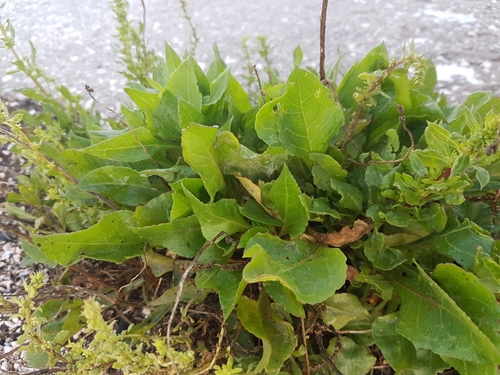
Verbatim
e0“7.5 kg potassium humat/fed + 210 ppm boron resulted in a significant increase of LAI, chlorophyll (a), (b), root diameter and yield/fed compared to other combinations in both seasons”
t1“It was found that higher values of leaf area index (LAI), root diameter, fresh and foliage weights/plant, sucrose, sugar lost to molasses, sugar extractable percentages and quality index, as well as root, top and sugar yields/fed, were obtained with increasing boron application to 210 ppm/fed.”
e1“Fertilizing beet plants with 7.5 kg potassium humat/fed + 210 ppm boron”
Claim · model-written summary
Maximum root and sugar yields were obtained with 7.5 kg potassium humate and three boron sprays.
- Taxon
- beetsBeta vulgarise0
- Treatment
- 7.5 kg potassium humate/fed as a soil application and spraying beets with 210 ppm boron/fed at three times (50, 65 and 80 days) after sowinge0
- Outcome
- maximum root and sugar yields/fede0
Organisms pictured · Representative pictures of the matched species, not figures from the paper.
Verbatim
e0“the maximum root and sugar yields/fed were obtained by fertilizing beets with 7.5 kg potassium humate/fed as a soil application and spraying beets with 210 ppm boron/fed at three times (50, 65 and 80 days) after sowing”
The same questions in other papers
boron atom · growth · Beta vulgaris (beet)Results differ
19 papers in the same direction as this paper · 4 in the opposite direction
- positive
- positive
- no effect
20 papers more in this group
See all 24 papers →boron atom · physiology: photosynthesis · Beta vulgaris (beet)Positive and negative results
1 paper in the same direction as this paper · 3 in the opposite direction
- positive
- positive
- positive
1 paper more in this group
See all 5 papers →potassium · physiology: ion balance · Beta vulgaris (beet)Positive and negative results
1 in the opposite direction
- positive
potassium · quality: general · Beta vulgaris (beet)Positive and negative results
11 papers in the same direction as this paper · 2 in the opposite direction
- positive
- no effect
- no effect
10 papers more in this group
See all 14 papers →potassium · growth · Beta vulgaris (beet)Positive and negative results
35 papers in the same direction as this paper · 4 in the opposite direction
- positive
- negative
- negative
36 papers more in this group
See all 40 papers →Claims are grouped by organism, treatment and what was measured or targeted. A paper counts as positive when any of its claims in the group is positive.