Abstract
Fungal diseases are among the biotic factors limiting the production of faba bean in Ethiopia. The objective of this study was to isolate and identify seedborne mycoflora associated with faba bean seed samples, determine their effects on seed germination and disease transmission, and evaluate the antimicrobial activities of seven plant extracts and four Trichoderma spp. against the pathogen isolated from the seed. Fifty seed samples were collected from different farmers' saved seeds of five major faba bean-producing varieties of the Ambo district and were tested by agar plate methods as recommended by the International Seed Testing Association (ISTA). A total of 7 fungal species belonging to 6 genera, viz. Fusarium oxysporum (Schlechlendahl), Fusarium solani (Mart.) Sacc, Aspergillus spp. Penicillium spp. Botrytis spp. Rhizoctonia solani (Kühn) and Alternaria spp. were isolated and identified. Among these, Fusarium spp., Aspergillus spp, and Penicillium spp. were the most predominant fungi in all seed samples. Seed-to-seedling transmission test results confirmed that F. oxysporum , F. solani and R. solani were major causal pathogens that caused root rot and damping-off disease in faba beans and were transmitted from seeds to seedlings. A higher germination rate was observed in Golja-GF 2 (97%), and a lower germination rate was observed in Kure Gatira-KF 8 (81%). A study on in vitro evaluation of plant extract and Trichoderma spp. against F. oxysporum , F. solani and R. solani revealed that plant extracts at 5%, 10% and 20% concentrations significantly inhibited the mycelial growth of all tested fungi. Inhibitory effects on the three tested fungi ( R. solani, F. solani and F. oxysporum ) were recorded on T. longibrachiatum (87.91%), T. atroviride (86.87%), Trichoderma virens (86.16%) and T. harzianum (85.45%). The inhibitory effect of the aqueous plant extracts on mycelial growth increased with an increase in concentration, and the hot water extracts showed higher effects compared to the cold water extract in all tested fungi. This study showed that the highest inhibitory effect of Allium sativum L. extracted at a 20% concentration against mycelial growth inhibition of the three test fungi (F. oxysporum, R. solani and F. solani ) was 84.60%, 83.61% and 83.47%, respectively. However, Nicandra physalodes (L.) Gaertn.) extracts at the same concentration showed the lowest inhibitory effects on the three tested fungi (74.94%, 73.94% and 73.24%).
Abstract from the paper’s OpenAlex record; open copy licensed cc-by. Read at the source ↗
The text the model read, with the source record’s inline markup (italics, sub- and superscripts) rendered and its character entities decoded; quote offsets refer to the raw text.
Claims 18
Claim · model-written summary
Seven fungal species belonging to six genera were isolated from faba bean seed.
- Taxon
- faba bean
 Vicia fabat0
- Outcome
- fungal speciese0
- Value
- 7e0
- Qualifier
- belonging to 6 generae0
Organisms pictured · Representative pictures of the matched species, not figures from the paper.

Verbatim
t0“Seedborne mycoflora of faba bean (Vicia fabae L.)”
e0“A total of 7 fungal species belonging to 6 genera”
Claim · model-written summary
Fusarium spp., Aspergillus spp. and Penicillium spp. were the most predominant fungi in all faba bean seed samples.
- Taxon
- faba beanVicia fabat0
- Second interactor
- Aspergillus spp
 Aspergilluse0other
- Outcome
- most predominant fungie0
- Qualifier
- Penicillium spp.e0
 Fusarium
Organisms pictured · Representative pictures of the matched species, not figures from the paper.


Verbatim
t0“Seedborne mycoflora of faba bean (Vicia fabae L.)”
e0“Among these, Fusarium spp., Aspergillus spp, and Penicillium spp. were the most predominant fungi in all seed samples”
Claim · model-written summary
F. oxysporum and R. solani were major causal pathogens that caused root rot and damping-off disease in faba bean and were transmitted from seed to seedling.
- Taxon
- faba beanVicia fabat0
- Interactor
- F. oxysporum
 Fusarium oxysporume0pathogen
- Second interactor
- R. solani
 Rhizoctonia solanie0pathogen
- Outcome
- root rot and damping-off diseasee0
Organisms pictured · Representative pictures of the matched species, not figures from the paper.


Verbatim
t0“Seedborne mycoflora of faba bean (Vicia fabae L.)”
e0“F. oxysporum , F. solani and R. solani were major causal pathogens that caused root rot and damping-off disease in faba beans”
Claim · model-written summary
Golja-GF 2 had a higher seed germination rate (97%).
- Taxon
- faba beanVicia fabat0
- Material
- Golja-GF 2e0
- Outcome
- germination ratee0
- Value
- 97%e0
Organisms pictured · Representative pictures of the matched species, not figures from the paper.
Verbatim
t0“Seedborne mycoflora of faba bean (Vicia fabae L.)”
e0“A higher germination rate was observed in Golja-GF 2 (97%)”
Claim · model-written summary
Kure Gatira-KF 8 had a lower seed germination rate (81%).
- Taxon
- faba beanVicia fabat0
- Material
- Kure Gatira-KF 8e0
- Outcome
- germination ratee0
- Value
- 81%e0
Organisms pictured · Representative pictures of the matched species, not figures from the paper.
Verbatim
t0“Seedborne mycoflora of faba bean (Vicia fabae L.)”
e0“a lower germination rate was observed in Kure Gatira-KF 8 (81%)”
Claim · model-written summary
Plant extracts at 5%, 10% and 20% significantly inhibited mycelial growth of all tested fungi.
- Taxon
- faba beanVicia fabat0
- Treatment
- plant extracts at 5%, 10% and 20% concentrationse0
- Interactor
- tested fungie0pathogen
- Outcome
- mycelial growthe0
- Direction
- inhibitede0
Not reportedComparator
Organisms pictured · Representative pictures of the matched species, not figures from the paper.
Verbatim
t0“Seedborne mycoflora of faba bean (Vicia fabae L.)”
e0“plant extracts at 5%, 10% and 20% concentrations significantly inhibited the mycelial growth of all tested fungi”
Claim · model-written summary
Trichoderma longibrachiatum inhibited R. solani, F. solani and F. oxysporum with 87.91% inhibition.
- Taxon
- faba beanVicia fabat0
- Treatment
- T. longibrachiatume0
- Interactor
- R. solaniRhizoctonia solanie0pathogen
- Second interactor
- T. longibrachiatumTrichoderma longibrachiatume0biocontrol_agent
- Outcome
- Inhibitory effectse0
- Direction
- Inhibitorye0
- Value
- 87.91%e0
- Qualifier
- F. solani and F. oxysporume0
Not reportedComparator
Organisms pictured · Representative pictures of the matched species, not figures from the paper.
Verbatim
t0“Seedborne mycoflora of faba bean (Vicia fabae L.)”
e0“Inhibitory effects on the three tested fungi ( R. solani, F. solani and F. oxysporum ) were recorded on T. longibrachiatum (87.91%), T. atroviride (86.87%), Trichoderma virens (86.16%) and T. harzianum (85.45%)”
Claim · model-written summary
Trichoderma atroviride inhibited the three tested fungi with 86.87% inhibition.
- Taxon
- faba beanVicia fabat0
- Treatment
- T. atroviridee0
- Interactor
- R. solaniRhizoctonia solanie0pathogen
- Second interactor
- T. atroviride
 Trichoderma atroviridee0biocontrol_agent
- Outcome
- Inhibitory effectse0
- Direction
- Inhibitorye0
- Value
- 86.87%e0
- Qualifier
- F. solani and F. oxysporume0
Not reportedComparator
Organisms pictured · Representative pictures of the matched species, not figures from the paper.
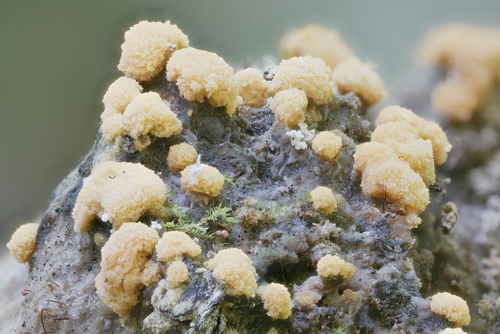
Verbatim
t0“Seedborne mycoflora of faba bean (Vicia fabae L.)”
e0“Inhibitory effects on the three tested fungi ( R. solani, F. solani and F. oxysporum ) were recorded on T. longibrachiatum (87.91%), T. atroviride (86.87%), Trichoderma virens (86.16%) and T. harzianum (85.45%)”
Claim · model-written summary
Trichoderma virens inhibited the three tested fungi with 86.16% inhibition.
- Taxon
- faba beanVicia fabat0
- Treatment
- Trichoderma virense0
- Interactor
- R. solaniRhizoctonia solanie0pathogen
- Second interactor
- Trichoderma virensTrichoderma virense0biocontrol_agent
- Outcome
- Inhibitory effectse0
- Direction
- Inhibitorye0
- Value
- 86.16%e0
- Qualifier
- F. solani and F. oxysporume0
Not reportedComparator
Organisms pictured · Representative pictures of the matched species, not figures from the paper.
Verbatim
t0“Seedborne mycoflora of faba bean (Vicia fabae L.)”
e0“Inhibitory effects on the three tested fungi ( R. solani, F. solani and F. oxysporum ) were recorded on T. longibrachiatum (87.91%), T. atroviride (86.87%), Trichoderma virens (86.16%) and T. harzianum (85.45%)”
Claim · model-written summary
Trichoderma harzianum inhibited the three tested fungi with 85.45% inhibition.
- Taxon
- faba beanVicia fabat0
- Treatment
- T. harzianume0
- Interactor
- R. solaniRhizoctonia solanie0pathogen
- Second interactor
- T. harzianum
 Trichoderma harzianume0biocontrol_agent
- Outcome
- Inhibitory effectse0
- Direction
- Inhibitorye0
- Value
- 85.45%e0
- Qualifier
- F. solani and F. oxysporume0
Not reportedComparator
Organisms pictured · Representative pictures of the matched species, not figures from the paper.

Verbatim
t0“Seedborne mycoflora of faba bean (Vicia fabae L.)”
e0“Inhibitory effects on the three tested fungi ( R. solani, F. solani and F. oxysporum ) were recorded on T. longibrachiatum (87.91%), T. atroviride (86.87%), Trichoderma virens (86.16%) and T. harzianum (85.45%)”
Claim · model-written summary
Allium sativum L. extract at 20% gave the highest inhibition of F. oxysporum mycelial growth, 84.60%.
- Taxon
- faba beanVicia fabat0
- Treatment
- Allium sativum L. extracted at a 20% concentratione0
- Interactor
- F. oxysporumFusarium oxysporume0pathogen
- Outcome
- mycelial growth inhibitione0
- Direction
- higheste0
- Value
- 84.60%e0
Not reportedComparator
Organisms pictured · Representative pictures of the matched species, not figures from the paper.
Verbatim
t0“Seedborne mycoflora of faba bean (Vicia fabae L.)”
e0“the highest inhibitory effect of Allium sativum L. extracted at a 20% concentration against mycelial growth inhibition of the three test fungi (F. oxysporum, R. solani and F. solani ) was 84.60%, 83.61% and 83.47%”
Claim · model-written summary
Allium sativum L. extract at 20% gave the highest inhibition of R. solani mycelial growth, 83.61%.
- Taxon
- faba beanVicia fabat0
- Treatment
- Allium sativum L. extracted at a 20% concentratione0
- Interactor
- R. solaniRhizoctonia solanie0pathogen
- Outcome
- mycelial growth inhibitione0
- Direction
- higheste0
- Value
- 83.61%e0
Not reportedComparator
Organisms pictured · Representative pictures of the matched species, not figures from the paper.
Verbatim
t0“Seedborne mycoflora of faba bean (Vicia fabae L.)”
e0“the highest inhibitory effect of Allium sativum L. extracted at a 20% concentration against mycelial growth inhibition of the three test fungi (F. oxysporum, R. solani and F. solani ) was 84.60%, 83.61% and 83.47%”
Claim · model-written summary
Allium sativum L. extract at 20% gave the highest inhibition of F. solani mycelial growth, 83.47%.
- Taxon
- faba beanVicia fabat0
- Treatment
- Allium sativum L. extracted at a 20% concentratione0
- Interactor
- F. solani
 Fusarium solanie0pathogen
- Outcome
- mycelial growth inhibitione0
- Direction
- higheste0
- Value
- 83.47%e0
Not reportedComparator
Organisms pictured · Representative pictures of the matched species, not figures from the paper.

Verbatim
t0“Seedborne mycoflora of faba bean (Vicia fabae L.)”
e0“the highest inhibitory effect of Allium sativum L. extracted at a 20% concentration against mycelial growth inhibition of the three test fungi (F. oxysporum, R. solani and F. solani ) was 84.60%, 83.61% and 83.47%”
Claim · model-written summary
Nicandra physalodes extract at the same concentration gave the lowest inhibition, 74.94%, of the three tested fungi.
- Taxon
- faba beanVicia fabat0
- Treatment
- Nicandra physalodes (L.) Gaertn.)e0
- Interactor
- three tested fungie0pathogen
- Outcome
- inhibitory effectse0
- Direction
- loweste0
- Value
- 74.94%e0
Not reportedComparator
Organisms pictured · Representative pictures of the matched species, not figures from the paper.
Verbatim
t0“Seedborne mycoflora of faba bean (Vicia fabae L.)”
e0“Nicandra physalodes (L.) Gaertn.) extracts at the same concentration showed the lowest inhibitory effects on the three tested fungi (74.94%, 73.94% and 73.24%)”
Claim · model-written summary
Nicandra physalodes extract at the same concentration gave the lowest inhibition, 73.94%, of the three tested fungi.
- Taxon
- faba beanVicia fabat0
- Treatment
- Nicandra physalodes (L.) Gaertn.)e0
- Interactor
- three tested fungie0pathogen
- Outcome
- inhibitory effectse0
- Direction
- loweste0
- Value
- 73.94%e0
Not reportedComparator
Organisms pictured · Representative pictures of the matched species, not figures from the paper.
Verbatim
t0“Seedborne mycoflora of faba bean (Vicia fabae L.)”
e0“Nicandra physalodes (L.) Gaertn.) extracts at the same concentration showed the lowest inhibitory effects on the three tested fungi (74.94%, 73.94% and 73.24%)”
Claim · model-written summary
Nicandra physalodes extract at the same concentration gave the lowest inhibition, 73.24%, of the three tested fungi.
- Taxon
- faba beanVicia fabat0
- Treatment
- Nicandra physalodes (L.) Gaertn.)e0
- Interactor
- three tested fungie0pathogen
- Outcome
- inhibitory effectse0
- Direction
- loweste0
- Value
- 73.24%e0
Not reportedComparator
Organisms pictured · Representative pictures of the matched species, not figures from the paper.
Verbatim
t0“Seedborne mycoflora of faba bean (Vicia fabae L.)”
e0“Nicandra physalodes (L.) Gaertn.) extracts at the same concentration showed the lowest inhibitory effects on the three tested fungi (74.94%, 73.94% and 73.24%)”
Claim · model-written summary
Inhibition of mycelial growth by aqueous plant extracts increased with concentration.
- Taxon
- faba beanVicia fabat0
- Treatment
- aqueous plant extractse1
- Outcome
- inhibitory effecte1
- Direction
- increasede1
Organisms pictured · Representative pictures of the matched species, not figures from the paper.
Verbatim
t0“Seedborne mycoflora of faba bean (Vicia fabae L.)”
e1“The inhibitory effect of the aqueous plant extracts on mycelial growth increased with an increase in concentration”
Claim · model-written summary
Hot water extracts had higher inhibitory effects than cold water extract in all tested fungi.
- Taxon
- faba beanVicia fabat0
- Treatment
- hot water extractse0
- Interactor
- tested fungie0pathogen
- Outcome
- inhibitory effecte1
- Direction
- highere0
- Comparator
- cold water extracte0
Organisms pictured · Representative pictures of the matched species, not figures from the paper.
Verbatim
t0“Seedborne mycoflora of faba bean (Vicia fabae L.)”
e0“the hot water extracts showed higher effects compared to the cold water extract in all tested fungi”
e1“The inhibitory effect of the aqueous plant extracts on mycelial growth increased with an increase in concentration”
The same questions in other papers
Trichoderma longibrachiatum · Rhizoctonia solani · Vicia faba (faba bean)Results agree
1 paper in the same direction as this paper
- positive
Allium sativum · Rhizoctonia solani · Vicia faba (faba bean)Results agree
1 paper in the same direction as this paper
- positive
botanical · disease · Vicia faba (faba bean)Positive and negative results
12 papers in the same direction as this paper · 5 in the opposite direction
- positive
- negative
- negative
14 papers more in this group
See all 18 papers →Claims are grouped by organism, treatment and what was measured or targeted. A paper counts as positive when any of its claims in the group is positive.