Abstract
Water lilies are popular ornamental cut-flowers with significant economic and cultural value. However, stem bending affects the preservation of cut-flowers during their vase life. To gain further insights into the molecular mechanisms of stem bending, transcriptome profiling, hormone measurement, and morphological analysis were performed using the stems of the ‘Blue Bird’ water lily. Transcriptome analysis revealed that 607 differentially expressed genes (DEGs) were associated with the dorsal and ventral stems of the water lily, of which 247 were up-regulated and 360 were down-regulated. Significant differences in genes associated with plant hormones, calcium ions, glucose metabolism, and photosynthesis pathways genes involved in the dorsal and ventral areas of the curved stem. In particular, DEGs were associated with the hormone synthesis, gravity response, starch granules, Ca 2+ ions, and photosynthesis. The results of qRT-PCR were consistent with that of the transcriptome sequence analysis. A total of 12 hormones were detected, of which abscisic acid, indole-3-carboxaldehyde, indole-3-carboxaldehyde and jasmonic acid were significantly differentially expressed in the dorsal and ventral stems, and were significantly higher in the dorsal stem than in the ventral stem. The cell morphology in the dorsal and ventral areas of the curved stem clearly changed during vase life. The direction of starch granule settlement was consistent with the bending direction of the water lily stem, as well as the direction of gravity. In conclusion, stem bending in water lily cut-flowers is regulated by multiple factors and genes. This study provides an important theoretical basis for understanding the complex regulatory mechanism of water lily stem bending.
Abstract from the paper’s OpenAlex record; open copy licensed cc-by. Read at the source ↗
The text the model read, with the source record’s inline markup (italics, sub- and superscripts) rendered and its character entities decoded; quote offsets refer to the raw text.
Claims 11
Claim · model-written summary
A total of 607 differentially expressed genes were associated with the dorsal and ventral stems of water lily.
- Taxon
- water lily (Nymphaea tetragona)
 Nymphaea tetragonat0
- Organ / stage
- dorsal and ventral stemse1
- Outcome
- differentially expressed genes (DEGs)e1
- Value
- 607e1
Organisms pictured · Representative pictures of the matched species, not figures from the paper.
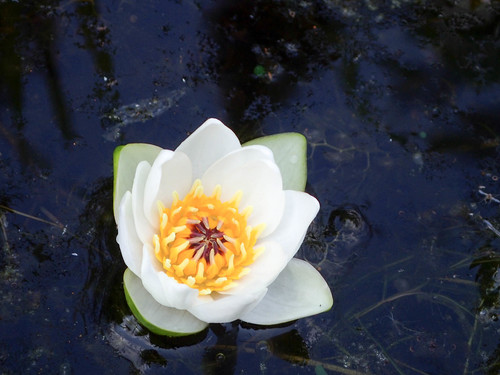
Verbatim
t0“water lily (Nymphaea tetragona)”
e1“607 differentially expressed genes (DEGs) were associated with the dorsal and ventral stems of the water lily, of which 247 were up-regulated and 360 were down-regulated”
Claim · model-written summary
247 differentially expressed genes were up-regulated in the dorsal and ventral stems.
- Taxon
- water lily (Nymphaea tetragona)Nymphaea tetragonat0
- Organ / stage
- dorsal and ventral stemse1
- Outcome
- differentially expressed genes (DEGs)e1
- Direction
- up-regulatede1
- Value
- 247e1
Organisms pictured · Representative pictures of the matched species, not figures from the paper.
Verbatim
t0“water lily (Nymphaea tetragona)”
e1“607 differentially expressed genes (DEGs) were associated with the dorsal and ventral stems of the water lily, of which 247 were up-regulated and 360 were down-regulated”
Claim · model-written summary
360 differentially expressed genes were down-regulated in the dorsal and ventral stems.
- Taxon
- water lily (Nymphaea tetragona)Nymphaea tetragonat0
- Organ / stage
- dorsal and ventral stemse1
- Outcome
- differentially expressed genes (DEGs)e1
- Direction
- down-regulatede1
- Value
- 360e1
Organisms pictured · Representative pictures of the matched species, not figures from the paper.
Verbatim
t0“water lily (Nymphaea tetragona)”
e1“607 differentially expressed genes (DEGs) were associated with the dorsal and ventral stems of the water lily, of which 247 were up-regulated and 360 were down-regulated”
Claim · model-written summary
Significant differences were found in genes associated with plant hormones, calcium ions and glucose metabolism between dorsal and ventral areas of the curved stem.
- Taxon
- water lily (Nymphaea tetragona)Nymphaea tetragonat0
- Organ / stage
- dorsal and ventral areas of the curved steme2
- Outcome
- genes associated with plant hormones, calcium ions, glucose metabolisme2
Organisms pictured · Representative pictures of the matched species, not figures from the paper.
Verbatim
t0“water lily (Nymphaea tetragona)”
e2“Significant differences in genes associated with plant hormones, calcium ions, glucose metabolism, and photosynthesis pathways genes involved in the dorsal and ventral areas of the curved stem”
Claim · model-written summary
Significant differences were found in photosynthesis pathway genes between dorsal and ventral areas of the curved stem.
- Taxon
- water lily (Nymphaea tetragona)Nymphaea tetragonat0
- Organ / stage
- dorsal and ventral areas of the curved steme2
- Outcome
- photosynthesis pathwayse2
Organisms pictured · Representative pictures of the matched species, not figures from the paper.
Verbatim
t0“water lily (Nymphaea tetragona)”
e2“Significant differences in genes associated with plant hormones, calcium ions, glucose metabolism, and photosynthesis pathways genes involved in the dorsal and ventral areas of the curved stem”
Claim · model-written summary
qRT-PCR results were consistent with the transcriptome sequence analysis.
- Taxon
- water lily (Nymphaea tetragona)Nymphaea tetragonat0
- Outcome
- results of qRT-PCRe3
- Comparator
- transcriptome sequence analysise3
Organisms pictured · Representative pictures of the matched species, not figures from the paper.
Verbatim
t0“water lily (Nymphaea tetragona)”
e3“The results of qRT-PCR were consistent with that of the transcriptome sequence analysis”
Claim · model-written summary
A total of 12 hormones were detected in water lily stems.
- Taxon
- water lily (Nymphaea tetragona)Nymphaea tetragonat0
- Outcome
- hormones were detectede4
- Value
- 12e4
Organisms pictured · Representative pictures of the matched species, not figures from the paper.
Verbatim
t0“water lily (Nymphaea tetragona)”
e4“A total of 12 hormones were detected”
Claim · model-written summary
Abscisic acid, indole-3-carboxaldehyde and jasmonic acid were significantly higher in the dorsal stem than in the ventral stem.
- Taxon
- water lily (Nymphaea tetragona)Nymphaea tetragonat0
- Organ / stage
- dorsal steme5
- Outcome
- abscisic acid, indole-3-carboxaldehyde, indole-3-carboxaldehyde and jasmonic acide5
- Direction
- highere5
- Comparator
- ventral steme5
Organisms pictured · Representative pictures of the matched species, not figures from the paper.
Verbatim
t0“water lily (Nymphaea tetragona)”
e5“abscisic acid, indole-3-carboxaldehyde, indole-3-carboxaldehyde and jasmonic acid were significantly differentially expressed in the dorsal and ventral stems, and were significantly higher in the dorsal stem than in the ventral stem”
Claim · model-written summary
Cell morphology in the dorsal and ventral areas of the curved stem changed during vase life.
- Taxon
- water lily (Nymphaea tetragona)Nymphaea tetragonat0
- Organ / stage
- dorsal and ventral areas of the curved steme6
- Outcome
- cell morphologye6
- Qualifier
- changed during vase lifee6
Organisms pictured · Representative pictures of the matched species, not figures from the paper.
Verbatim
t0“water lily (Nymphaea tetragona)”
e6“The cell morphology in the dorsal and ventral areas of the curved stem clearly changed during vase life”
Claim · model-written summary
Starch granule settlement direction was consistent with the stem bending direction and the direction of gravity.
- Taxon
- water lily (Nymphaea tetragona)Nymphaea tetragonat0
- Outcome
- direction of starch granule settlemente7
- Direction
- consistente7
- Comparator
- bending direction of the water lily steme7
Organisms pictured · Representative pictures of the matched species, not figures from the paper.
Verbatim
t0“water lily (Nymphaea tetragona)”
e7“The direction of starch granule settlement was consistent with the bending direction of the water lily stem, as well as the direction of gravity”
Claim · model-written summary
Stem bending in water lily cut-flowers is proposed to be regulated by multiple factors and genes.
- Taxon
- water lily (Nymphaea tetragona)Nymphaea tetragonat0
- Outcome
- stem bendinge7
- Qualifier
- multiple factors and genese7
Organisms pictured · Representative pictures of the matched species, not figures from the paper.
Verbatim
t0“water lily (Nymphaea tetragona)”
e7“In conclusion, stem bending in water lily cut-flowers is regulated by multiple factors and genes”