Claim · model-written summary
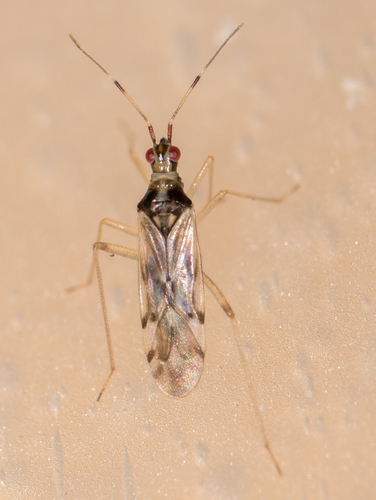
Reproductive and development rates of D. hesperus were higher on E. kuehniella eggs than on potato psyllid nymphs.
- Taxon
- Dicyphus hesperus
 Dicyphus hesperust0
- Outcome
- reproductive and development ratese0
- Direction
- highere0
- Qualifier
- E. kuehniella eggse0
Verbatim
t0“Dicyphus hesperus”
e0“Although reproductive and development rates were higher on E. kuehniella eggs”
Title
F.J. Calvo; A. Torres; E.J. González; et al. Bulletin of Entomological Research 2018. doi:10.1017/s0007485318000020
Other claims from this paper (4)
- Observation D. hesperus fed on B. cockerelli nymphs had an intrinsic rate of natural increase (rm) of 0.069 ± 0.0001.
- Observation D. hesperus fed on E. kuehniella eggs had an intrinsic rate of natural increase (rm) of 0.078 ± 0.0001.
- Intervention effect In tomato greenhouse cages the predator established and suppressed populations of both pests whether they occurred alone or together.
- Recommendation D. hesperus is a suitable biocontrol agent of these two pests for use in tomato greenhouses.
 Bactericera cockerelli
 Ephestia kuehniella