Abstract
ABSTRACT The function of nitric oxide (NO), a gaseous free radical emitted by many plants, is incompletely understood. In the present study the hypothesis that NO generation, like that of the reactive oxygen species, occurs as a general response to different environmental cues was tested. Leaf peels and mesophyll cell suspensions of Nicotiana tabacum cv. Xanthi were loaded with the NO‐specific fluorophore, diaminofluorescein, and subjected to an abiotic stressor. Light stress and mechanical injury had no apparent effect on NO production. In contrast, high temperatures, hyperosmotic stress, salinity and epi‐illumination in a microscope all led to rapid surges in NO‐induced fluorescence. The fluorescence originated from cells of the palisade mesophyll and across all epidermal cell types, including guard cells, subsidiary cells, and long and short trichomes. Fluorescence was evident first in the plastids, then in the nucleus and finally throughout the cytosol. Nicotiana plumbaginifolia cell suspensions expressing the calcium reporter aequorin provided evidence that, under hyperosmotic stress, NO participates in the elevation of free Ca 2+ in the cytoplasm. The physiological significance of NO production in response to abiotic stressors is discussed.
Abstract from the paper’s OpenAlex record, shown for indexing and research. Copyright remains with the authors or the publisher. Read at the source ↗
The text the model read, with the source record’s inline markup (italics, sub- and superscripts) rendered and its character entities decoded; quote offsets refer to the raw text.
Claims 9
Claim · model-written summary
Light stress had no apparent effect on tobacco leaf cell NO production.
- Taxon
- Nicotiana tabacum cv. Xanthi
 Nicotiana tabacume1
- Treatment
- Light stresse0
- Outcome
- NO productione0
- Direction
- no apparent effecte0
Not reportedComparator
Organisms pictured · Representative pictures of the matched species, not figures from the paper.

Verbatim
e0“Light stress and mechanical injury had no apparent effect on NO production.”
e1“Nicotiana tabacum cv. Xanthi”
Claim · model-written summary
Mechanical injury had no apparent effect on tobacco leaf cell NO production.
- Taxon
- Nicotiana tabacum cv. XanthiNicotiana tabacume1
- Treatment
- mechanical injurye0
- Outcome
- NO productione0
- Direction
- no apparent effecte0
Not reportedComparator
Organisms pictured · Representative pictures of the matched species, not figures from the paper.
Verbatim
e0“Light stress and mechanical injury had no apparent effect on NO production.”
e1“Nicotiana tabacum cv. Xanthi”
Claim · model-written summary
High temperatures caused rapid surges in NO-induced fluorescence in tobacco leaf cells.
- Taxon
- Nicotiana tabacum cv. XanthiNicotiana tabacume1
- Treatment
- high temperaturese0
- Outcome
- NO‐induced fluorescencee0
- Direction
- surgese0
Not reportedComparator
Organisms pictured · Representative pictures of the matched species, not figures from the paper.
Verbatim
e0“high temperatures, hyperosmotic stress, salinity and epi‐illumination in a microscope all led to rapid surges in NO‐induced fluorescence.”
e1“Nicotiana tabacum cv. Xanthi”
Claim · model-written summary
Hyperosmotic stress caused rapid surges in NO-induced fluorescence in tobacco leaf cells.
- Taxon
- Nicotiana tabacum cv. XanthiNicotiana tabacume1
- Treatment
- hyperosmotic stresse0
- Outcome
- NO‐induced fluorescencee0
- Direction
- surgese0
Not reportedComparator
Organisms pictured · Representative pictures of the matched species, not figures from the paper.
Verbatim
e0“high temperatures, hyperosmotic stress, salinity and epi‐illumination in a microscope all led to rapid surges in NO‐induced fluorescence.”
e1“Nicotiana tabacum cv. Xanthi”
Claim · model-written summary
Salinity caused rapid surges in NO-induced fluorescence in tobacco leaf cells.
- Taxon
- Nicotiana tabacum cv. XanthiNicotiana tabacume1
- Treatment
- salinitye0
- Outcome
- NO‐induced fluorescencee0
- Direction
- surgese0
Not reportedComparator
Organisms pictured · Representative pictures of the matched species, not figures from the paper.
Verbatim
e0“high temperatures, hyperosmotic stress, salinity and epi‐illumination in a microscope all led to rapid surges in NO‐induced fluorescence.”
e1“Nicotiana tabacum cv. Xanthi”
Claim · model-written summary
Microscope epi-illumination caused rapid surges in NO-induced fluorescence in tobacco leaf cells.
- Taxon
- Nicotiana tabacum cv. XanthiNicotiana tabacume1
- Treatment
- epi‐illumination in a microscopee0
- Outcome
- NO‐induced fluorescencee0
- Direction
- surgese0
Not reportedComparator
Organisms pictured · Representative pictures of the matched species, not figures from the paper.
Verbatim
e0“high temperatures, hyperosmotic stress, salinity and epi‐illumination in a microscope all led to rapid surges in NO‐induced fluorescence.”
e1“Nicotiana tabacum cv. Xanthi”
Claim · model-written summary
NO fluorescence originated in palisade mesophyll and across epidermal cell types.
- Taxon
- Nicotiana tabacum cv. XanthiNicotiana tabacume1
- Organ / stage
- palisade mesophylle0
- Outcome
- fluorescence originated from cells of the palisade mesophyll and across all epidermal cell typese0
Not reportedDirection
Organisms pictured · Representative pictures of the matched species, not figures from the paper.
Verbatim
e0“The fluorescence originated from cells of the palisade mesophyll and across all epidermal cell types, including guard cells, subsidiary cells, and long and short trichomes.”
e1“Nicotiana tabacum cv. Xanthi”
Claim · model-written summary
NO fluorescence appeared first in plastids, then the nucleus, then the cytosol.
- Taxon
- Nicotiana tabacum cv. XanthiNicotiana tabacume1
- Outcome
- Fluorescence was evident first in the plastids, then in the nucleus and finally throughout the cytosole0
Not reportedDirection
Organisms pictured · Representative pictures of the matched species, not figures from the paper.
Verbatim
e0“Fluorescence was evident first in the plastids, then in the nucleus and finally throughout the cytosol.”
e1“Nicotiana tabacum cv. Xanthi”
Claim · model-written summary
Under hyperosmotic stress, NO participates in raising cytoplasmic free calcium in Nicotiana plumbaginifolia cells.
- Taxon
- Nicotiana plumbaginifolia
 Nicotiana plumbaginifoliae0
- Treatment
- hyperosmotic stresse0
- Compound
- NOe0
- Outcome
- free Ca 2+ in the cytoplasme0
- Direction
- elevatione0
Organisms pictured · Representative pictures of the matched species, not figures from the paper.
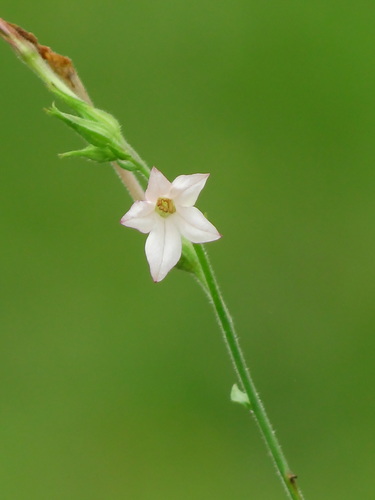
Verbatim
e0“Nicotiana plumbaginifolia cell suspensions expressing the calcium reporter aequorin provided evidence that, under hyperosmotic stress, NO participates in the elevation of free Ca 2+ in the cytoplasm.”
The same questions in other papers
heat · molecular: metabolites · Nicotiana tabacum (tobacco)Positive and negative results
3 papers in the same direction as this paper · 2 in the opposite direction
- no effect
- no effect
- positive
2 papers more in this group
See all 6 papers →salinity · molecular: metabolites · Nicotiana tabacum (tobacco)Positive and negative results
3 papers in the same direction as this paper · 6 in the opposite direction
- negative
- negative
- negative
6 papers more in this group
See all 10 papers →Claims are grouped by organism, treatment and what was measured or targeted. A paper counts as positive when any of its claims in the group is positive.