Abstract
피음처리에 의한 네 참나무 수종(신갈나무, 졸참나무, 상수리나무, 굴참나무)의 광합성 반응 특성을 조사하기 위하여, 차광막으로 전천광을 35%, 55%. 75% 차광 처리한 조건과 전광조건에서 엽생장과 엽록소함량을 측정하고 광-반응 곡선과 A-Ci 곡선을 통하여 광합성계의 특성을 조사하였다. 그 결과, 굴참나무와 상수리나무는 엽생장, 엽록소함량, 순양자수율을 증가시키고 엽록소 a/b와 탄소고정효율을 감소시켜 빛의 흡수량과 광합성에 대한 이용효율을 높이는 적응 반응을 나타냈다. 신갈나무는 굴참나무와 상수리나무와 같은 경향의 적응반응을 보였지만 광합성 광화학계 활성의 저하로 낮은 광합성 능력을 나타냈다. 졸참나무는 가장 낮은 내음성 적응반응을 나타냈다. This study was conducted to investigate the photosynthetic responses of four Oak species (Quercus mongolica, Q. serrata, Q. acutissima and Q. variabilis) by shading treatment. We investigated light response curve, photosynthesis (A)-intercellular $CO_2$ concentration (Ci) curve, leaf growth and chlorophyll content at the level of 35, 55 and 75% shading treatments and under the full sunlight. In our results, Q. variabilis and Q. acutissima showed increased leaf growth, chlorophyll content and net apparent quantum yield but reduced chlorophyll a/b and carboxylation efficiency under the low light intensity. Therefore, light absorption and light utilization efficiency were improved under the low light intensity. Q. mongolica showed the similar responses that Q. variabilis and Q. acutissima showed, but net apparent quantum yield was reduced. The effects of shading treatment on Q. serrata were lower than those of other three species.
Abstract from the paper’s OpenAlex record, shown for indexing and research. Copyright remains with the authors or the publisher. Read at the source ↗
The text the model read, with the source record’s inline markup (italics, sub- and superscripts) rendered and its character entities decoded; quote offsets refer to the raw text.
Claims 8
Claim · model-written summary
Q. variabilis increased leaf growth, chlorophyll content and net apparent quantum yield under low light.
- Taxon
- Q. variabilis
 Quercus variabilise0
- Treatment
- low light intensitye0
- Outcome
- leaf growth, chlorophyll content and net apparent quantum yielde0
- Direction
- increasede0
Not reportedComparator
Organisms pictured · Representative pictures of the matched species, not figures from the paper.

Verbatim
e0“Q. variabilis and Q. acutissima showed increased leaf growth, chlorophyll content and net apparent quantum yield but reduced chlorophyll a/b and carboxylation efficiency under the low light intensity.”
Claim · model-written summary
Q. acutissima increased leaf growth, chlorophyll content and net apparent quantum yield under low light.
- Taxon
- Q. acutissima
 Quercus acutissimae0
- Treatment
- low light intensitye0
- Outcome
- leaf growth, chlorophyll content and net apparent quantum yielde0
- Direction
- increasede0
Not reportedComparator
Organisms pictured · Representative pictures of the matched species, not figures from the paper.
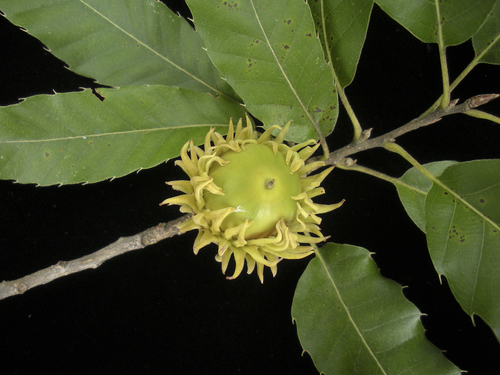
Verbatim
e0“Q. variabilis and Q. acutissima showed increased leaf growth, chlorophyll content and net apparent quantum yield but reduced chlorophyll a/b and carboxylation efficiency under the low light intensity.”
Claim · model-written summary
Q. variabilis had reduced chlorophyll a/b and carboxylation efficiency under low light.
- Taxon
- Q. variabilisQuercus variabilise0
- Treatment
- low light intensitye0
- Outcome
- chlorophyll a/b and carboxylation efficiencye0
- Direction
- reducede0
Not reportedComparator
Organisms pictured · Representative pictures of the matched species, not figures from the paper.
Verbatim
e0“Q. variabilis and Q. acutissima showed increased leaf growth, chlorophyll content and net apparent quantum yield but reduced chlorophyll a/b and carboxylation efficiency under the low light intensity.”
Claim · model-written summary
Q. acutissima had reduced chlorophyll a/b and carboxylation efficiency under low light.
- Taxon
- Q. acutissimaQuercus acutissimae0
- Treatment
- low light intensitye0
- Outcome
- chlorophyll a/b and carboxylation efficiencye0
- Direction
- reducede0
Not reportedComparator
Organisms pictured · Representative pictures of the matched species, not figures from the paper.
Verbatim
e0“Q. variabilis and Q. acutissima showed increased leaf growth, chlorophyll content and net apparent quantum yield but reduced chlorophyll a/b and carboxylation efficiency under the low light intensity.”
Claim · model-written summary
Light absorption and utilization efficiency improved under low light intensity.
- Taxon
- Q. variabilis and Q. acutissimaQuercus acutissimaQuercus variabilise0
- Treatment
- low light intensitye1
- Outcome
- light absorption and light utilization efficiencye1
- Direction
- improvede1
Not reportedComparator
Organisms pictured · Representative pictures of the matched species, not figures from the paper.
Verbatim
e0“Q. variabilis and Q. acutissima showed increased leaf growth, chlorophyll content and net apparent quantum yield but reduced chlorophyll a/b and carboxylation efficiency under the low light intensity.”
e1“Therefore, light absorption and light utilization efficiency were improved under the low light intensity.”
Claim · model-written summary
Q. mongolica showed similar responses to Q. variabilis and Q. acutissima.
- Taxon
- Q. mongolica
 Quercus mongolicae0
- Outcome
- similar responsese0
- Comparator
- Q. variabilis and Q. acutissimae0
Organisms pictured · Representative pictures of the matched species, not figures from the paper.

Verbatim
e0“Q. mongolica showed the similar responses that Q. variabilis and Q. acutissima showed, but net apparent quantum yield was reduced.”
Claim · model-written summary
Q. mongolica net apparent quantum yield was reduced.
- Taxon
- Q. mongolicaQuercus mongolicae0
- Treatment
- shading treatmente1
- Outcome
- net apparent quantum yielde0
- Direction
- reducede0
Not reportedComparator
Organisms pictured · Representative pictures of the matched species, not figures from the paper.
Verbatim
e0“Q. mongolica showed the similar responses that Q. variabilis and Q. acutissima showed, but net apparent quantum yield was reduced.”
e1“by shading treatment”
Claim · model-written summary
Shading effects on Q. serrata were lower than on the other three oak species.
- Taxon
- Q. serrata
 Quercus serratae0
- Treatment
- shading treatmente0
- Outcome
- effects of shading treatmente0
- Direction
- lowere0
- Comparator
- other three speciese0
Organisms pictured · Representative pictures of the matched species, not figures from the paper.

Verbatim
e0“The effects of shading treatment on Q. serrata were lower than those of other three species.”
The same questions in other papers
light · nutrient: content · Quercus variabilisResults agree
1 paper in the same direction as this paper
- positive
shade · physiology: photosynthesis · Quercus mongolica (Mongolian oak)Results agree
1 paper in the same direction as this paper
- negative
Claims are grouped by organism, treatment and what was measured or targeted. A paper counts as positive when any of its claims in the group is positive.