Abstract
Two field experiments were conducted during two successive seasons 2012/2013 and 2013/2014 at Nubaria area, Alexandria Governorate, in order to study the effect of foliar application of B, Fe, Zn and Mn at the concentrations of 1.0, 1.5 and 2.0 L /400 L water/fed and potassium fertilizer levels (24, 36 and 48 kg K2O/fed.) on yield and physiological characters of sugar beet plant (Beta vulgaris L.) under newly reclaimed soils. A split plot design with four replications was used. Results revealed that foliar application of B, Fe, Zn and Mn at the concentration of 1.5 l/fed recorded highest root diameter and root fresh weight/plant, as well as, sucrose%, root and sugar yields/fed., while, foliar application of B, Fe, Zn and Mn at the concentration of at 2 l/fed gave tallest root and percentage of root impurities (a- amino-N, Na and K). Fertilization of potassium at rate of 48 kg K2O/fed gave highest values of root length, root diameter, the percentage of a-N, Na, K as well as root and sugar yields/fed in both seasons. On the contrary, a gradual reduction in sucrose% had been detected with the increase in potassium level over 36 kg K2O/fed, while application of potassium at rate of 24 kg K2O/fed recorded the lowest values in all characters in both seasons. The interaction between foliar spraying of B, Fe, Zn and Mn at the concentration of 1.5 l/fed and potassium fertilizer at rate of 48 kg K2O /fed significantly affected root and sugar yields/fed and sucrose% in both seasons. It could be summarized that, application of potassium at rate of 48 kg K2O /fed and foliar spraying of B, Fe, Zn and Mn at the concentration of 1.5 l/fed significantly k,affected root diameter and root fresh weight, root and sugar yields/fed. as well as sucrose%
Abstract from the paper’s OpenAlex record; open copy licensed cc-by. Read at the source ↗
The text the model read, with the source record’s inline markup (italics, sub- and superscripts) rendered and its character entities decoded; quote offsets refer to the raw text.
Claims 10
Claim · model-written summary
Micronutrient spray at 1.5 l/fed gave the highest root diameter and root fresh weight.
- Taxon
- sugar beet plant (Beta vulgaris L.)
 Beta vulgarise1
- Treatment
- foliar application of B, Fe, Zn and Mn at the concentration of 1.5 l/fede0
- Outcome
- root diameter and root fresh weight/plante0
- Direction
- higheste0
Not reportedComparator
Organisms pictured · Representative pictures of the matched species, not figures from the paper.
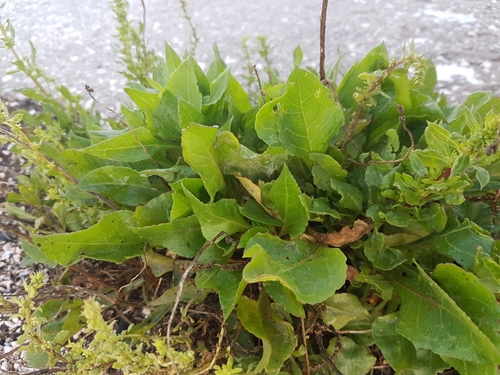
Verbatim
e0“foliar application of B, Fe, Zn and Mn at the concentration of 1.5 l/fed recorded highest root diameter and root fresh weight/plant, as well as, sucrose%, root and sugar yields/fed.”
e1“sugar beet plant (Beta vulgaris L.)”
Claim · model-written summary
Micronutrient spray at 1.5 l/fed gave the highest sucrose percentage and root and sugar yields.
- Taxon
- sugar beet plant (Beta vulgaris L.)Beta vulgarise1
- Treatment
- foliar application of B, Fe, Zn and Mn at the concentration of 1.5 l/fede0
- Outcome
- sucrose%, root and sugar yields/fede0
- Direction
- higheste0
Not reportedComparator
Organisms pictured · Representative pictures of the matched species, not figures from the paper.
Verbatim
e0“foliar application of B, Fe, Zn and Mn at the concentration of 1.5 l/fed recorded highest root diameter and root fresh weight/plant, as well as, sucrose%, root and sugar yields/fed.”
e1“sugar beet plant (Beta vulgaris L.)”
Claim · model-written summary
Micronutrient spray at 2 l/fed gave the tallest root and highest impurity percentages.
- Taxon
- sugar beet plant (Beta vulgaris L.)Beta vulgarise1
- Treatment
- foliar application of B, Fe, Zn and Mn at the concentration of at 2 l/fede0
- Outcome
- tallest root and percentage of root impurities (a- amino-N, Na and K)e0
- Direction
- talleste0
Not reportedComparator
Organisms pictured · Representative pictures of the matched species, not figures from the paper.
Verbatim
e0“foliar application of B, Fe, Zn and Mn at the concentration of at 2 l/fed gave tallest root and percentage of root impurities (a- amino-N, Na and K).”
e1“sugar beet plant (Beta vulgaris L.)”
Claim · model-written summary
Potassium at 48 kg K2O/fed gave the highest root length and diameter.
- Taxon
- sugar beet plant (Beta vulgaris L.)Beta vulgarise1
- Treatment
- Fertilization of potassium at rate of 48 kg K2O/fede0
- Outcome
- root length, root diametere0
- Direction
- highest valuese0
Not reportedComparator
Organisms pictured · Representative pictures of the matched species, not figures from the paper.
Verbatim
e0“Fertilization of potassium at rate of 48 kg K2O/fed gave highest values of root length, root diameter, the percentage of a-N, Na, K as well as root and sugar yields/fed in both seasons.”
e1“sugar beet plant (Beta vulgaris L.)”
Claim · model-written summary
Potassium at 48 kg K2O/fed gave the highest a-N, Na and K percentages.
- Taxon
- sugar beet plant (Beta vulgaris L.)Beta vulgarise1
- Treatment
- Fertilization of potassium at rate of 48 kg K2O/fede0
- Outcome
- the percentage of a-N, Na, Ke0
- Direction
- highest valuese0
Not reportedComparator
Organisms pictured · Representative pictures of the matched species, not figures from the paper.
Verbatim
e0“Fertilization of potassium at rate of 48 kg K2O/fed gave highest values of root length, root diameter, the percentage of a-N, Na, K as well as root and sugar yields/fed in both seasons.”
e1“sugar beet plant (Beta vulgaris L.)”
Claim · model-written summary
Potassium at 48 kg K2O/fed gave the highest root and sugar yields.
- Taxon
- sugar beet plant (Beta vulgaris L.)Beta vulgarise1
- Treatment
- Fertilization of potassium at rate of 48 kg K2O/fede0
- Outcome
- root and sugar yields/fede0
- Direction
- highest valuese0
Not reportedComparator
Organisms pictured · Representative pictures of the matched species, not figures from the paper.
Verbatim
e0“Fertilization of potassium at rate of 48 kg K2O/fed gave highest values of root length, root diameter, the percentage of a-N, Na, K as well as root and sugar yields/fed in both seasons.”
e1“sugar beet plant (Beta vulgaris L.)”
Claim · model-written summary
Sucrose percentage declined as potassium rose above 36 kg K2O/fed.
- Taxon
- sugar beet plant (Beta vulgaris L.)Beta vulgarise1
- Treatment
- increase in potassium level over 36 kg K2O/fede0
- Outcome
- sucrose%e0
- Direction
- gradual reductione0
Not reportedComparator
Organisms pictured · Representative pictures of the matched species, not figures from the paper.
Verbatim
e0“a gradual reduction in sucrose% had been detected with the increase in potassium level over 36 kg K2O/fed”
e1“sugar beet plant (Beta vulgaris L.)”
Claim · model-written summary
Potassium at 24 kg K2O/fed gave the lowest values across measured characters.
- Taxon
- sugar beet plant (Beta vulgaris L.)Beta vulgarise1
- Treatment
- application of potassium at rate of 24 kg K2O/fede0
- Outcome
- all characterse0
- Direction
- lowest valuese0
Not reportedComparator
Organisms pictured · Representative pictures of the matched species, not figures from the paper.
Verbatim
e0“application of potassium at rate of 24 kg K2O/fed recorded the lowest values in all characters in both seasons.”
e1“sugar beet plant (Beta vulgaris L.)”
Claim · model-written summary
The combined 1.5 l/fed spray and 48 kg K2O/fed potassium significantly affected root and sugar yields.
- Taxon
- sugar beet plant (Beta vulgaris L.)Beta vulgarise1
- Treatment
- foliar spraying of B, Fe, Zn and Mn at the concentration of 1.5 l/fed and potassium fertilizer at rate of 48 kg K2O /fede0
- Outcome
- root and sugar yields/fede0
Not reportedComparatorDirection
Organisms pictured · Representative pictures of the matched species, not figures from the paper.
Verbatim
e0“The interaction between foliar spraying of B, Fe, Zn and Mn at the concentration of 1.5 l/fed and potassium fertilizer at rate of 48 kg K2O /fed significantly affected root and sugar yields/fed and sucrose% in both seasons.”
e1“sugar beet plant (Beta vulgaris L.)”
Claim · model-written summary
The combined treatment significantly affected sucrose percentage.
- Taxon
- sugar beet plant (Beta vulgaris L.)Beta vulgarise1
- Treatment
- foliar spraying of B, Fe, Zn and Mn at the concentration of 1.5 l/fed and potassium fertilizer at rate of 48 kg K2O /fede0
- Outcome
- sucrose%e0
Not reportedComparatorDirection
Organisms pictured · Representative pictures of the matched species, not figures from the paper.
Verbatim
e0“The interaction between foliar spraying of B, Fe, Zn and Mn at the concentration of 1.5 l/fed and potassium fertilizer at rate of 48 kg K2O /fed significantly affected root and sugar yields/fed and sucrose% in both seasons.”
e1“sugar beet plant (Beta vulgaris L.)”
The same questions in other papers
zinc atom · yield · Beta vulgaris (beet)Results differ
16 papers in the same direction as this paper · 1 in the opposite direction
- positive
- no effect
- positive
14 papers more in this group
See all 18 papers →manganese atom · growth · Beta vulgaris (beet)Positive and negative results
4 papers in the same direction as this paper · 1 in the opposite direction
- positive
- no effect
- positive
2 papers more in this group
See all 6 papers →manganese atom · yield · Beta vulgaris (beet)Positive and negative results
9 papers in the same direction as this paper · 3 in the opposite direction
- positive
- negative
- negative
9 papers more in this group
See all 13 papers →zinc atom · growth · Beta vulgaris (beet)Positive and negative results
12 papers in the same direction as this paper · 5 in the opposite direction
- positive
- negative
- negative
14 papers more in this group
See all 18 papers →iron atom · growth · Beta vulgaris (beet)Results agree
12 papers in the same direction as this paper
- positive
- positive
- positive
9 papers more in this group
See all 13 papers →iron atom · yield · Beta vulgaris (beet)Results agree
16 papers in the same direction as this paper
- positive
- positive
- positive
13 papers more in this group
See all 17 papers →potassium · yield · Beta vulgaris (beet)Results differ
51 papers in the same direction as this paper · 6 in the opposite direction
- positive
- positive
- positive
54 papers more in this group
See all 58 papers →potassium · growth · Beta vulgaris (beet)Positive and negative results
35 papers in the same direction as this paper · 4 in the opposite direction
- positive
- positive
- positive
36 papers more in this group
See all 40 papers →8 of 12 groups shown: named compounds and organisms first, then groups whose results differ (checked claim by claim), then those with positive and negative results, then the smaller groups.
Claims are grouped by organism, treatment and what was measured or targeted. A paper counts as positive when any of its claims in the group is positive.