Abstract
BACKGROUND: Seed dormancy is a critical evolutionary trait that enhances the persistence of plant populations under both natural and managed conditions. It is influenced by genetic and environmental factors, with crop management practices like tillage and herbicide use reportedly selecting for increased seed dormancy in weeds. This study aimed to compare the success of seed dormancy breaking methods between weed populations collected from intensively managed crop fields and unmanaged ruderal locations. RESULTS: Weeds from intensively managed fields, including Hordeum glaucum, H. leporinum, Avena fatua, Bromus diandrus, and B. rigidus exhibited significantly higher seed dormancy and didn't respond largely to seed dormancy breaking methods compared to those from unmanaged areas. Dormancy-breaking treatments such as sandpaper scarification were effective in barley grass, while endosperm excision followed by cold stratification alleviated dormancy in brome grass and wild oat. Dark incubation consistently improved germination across all species, enhancing the efficacy of treatments like cold stratification, sandpaper scarification, and gibberellic acid (GA3). CONCLUSION: Weeds in managed fields develop greater seed dormancy, likely as an adaptive response to agricultural practices. Techniques such as tillage, which incorporate seeds deeper into the soil, may help mitigate seed dormancy traits by reducing light exposure. These findings highlight the importance of dormancy management in controlling persistent weed populations. © 2024 Society of Chemical Industry.
Abstract from the paper’s OpenAlex record, shown for indexing and research. Copyright remains with the authors or the publisher. Read at the source ↗
The text the model read, with the source record’s inline markup (italics, sub- and superscripts) rendered and its character entities decoded; quote offsets refer to the raw text.
Claims 7
Claim · model-written summary
Weeds from intensively managed fields had higher seed dormancy than weeds from unmanaged areas.
- Taxon
- Hordeum glaucum, H. leporinum, Avena fatua, Bromus diandrus, and B. rigidus
 Avena fatua
 Bromus diandrus
 Hordeum murinum subsp. leporinum
 Hordeum murinum subsp. glaucum
 Bromus diandrus var. rigiduse0
- Outcome
- seed dormancye0
- Direction
- highere0
- Comparator
- unmanaged arease0
- Setting
- intensively managed fieldse0
Organisms pictured · Representative pictures of the matched species, not figures from the paper.


Verbatim
e0“Weeds from intensively managed fields, including Hordeum glaucum, H. leporinum, Avena fatua, Bromus diandrus, and B. rigidus exhibited significantly higher seed dormancy and didn't respond largely to seed dormancy breaking methods compared to those from unmanaged areas.”
Claim · model-written summary
Weeds from intensively managed fields responded little to seed dormancy breaking methods relative to unmanaged weeds.
- Taxon
- Hordeum glaucum, H. leporinum, Avena fatua, Bromus diandrus, and B. rigidusAvena fatuaBromus diandrusHordeum murinum subsp. leporinumHordeum murinum subsp. glaucumBromus diandrus var. rigiduse0
- Outcome
- respond largely to seed dormancy breaking methodse0
- Direction
- didn'te0
- Comparator
- unmanaged arease0
- Setting
- intensively managed fieldse0
Organisms pictured · Representative pictures of the matched species, not figures from the paper.
Verbatim
e0“Weeds from intensively managed fields, including Hordeum glaucum, H. leporinum, Avena fatua, Bromus diandrus, and B. rigidus exhibited significantly higher seed dormancy and didn't respond largely to seed dormancy breaking methods compared to those from unmanaged areas.”
Claim · model-written summary
Sandpaper scarification broke dormancy in barley grass.
Not reportedComparator
Verbatim
e0“Dormancy-breaking treatments such as sandpaper scarification were effective in barley grass”
Claim · model-written summary
Endosperm excision followed by cold stratification alleviated brome grass dormancy.
- Taxon
- brome grasse0
- Treatment
- endosperm excision followed by cold stratificatione0
- Outcome
- dormancye0
- Direction
- alleviatede0
Not reportedComparator
Verbatim
e0“endosperm excision followed by cold stratification alleviated dormancy in brome grass and wild oat.”
Claim · model-written summary
Endosperm excision followed by cold stratification alleviated wild oat dormancy.
- Taxon
- wild oate0
- Treatment
- endosperm excision followed by cold stratificatione0
- Outcome
- dormancye0
- Direction
- alleviatede0
Not reportedComparator
Verbatim
e0“endosperm excision followed by cold stratification alleviated dormancy in brome grass and wild oat.”
Claim · model-written summary
Dark incubation improved germination across all studied species.
 Avena
 Bromus
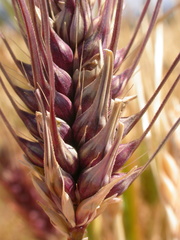 Hordeum
Not reportedComparator
Organisms pictured · Representative pictures of the matched species, not figures from the paper.


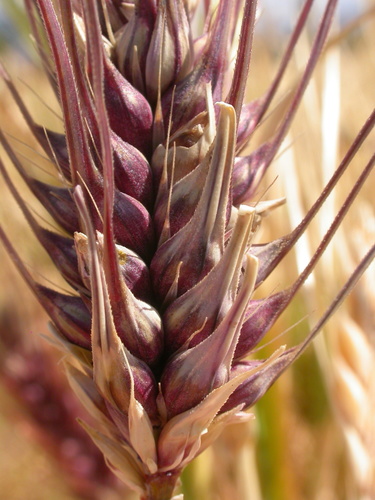
Verbatim
e0“Dark incubation consistently improved germination across all species”
t0“Hordeum, Avena, and Bromus sp.”
Claim · model-written summary
The authors suggest tillage may mitigate seed dormancy traits by reducing light exposure.
Organisms pictured · Representative pictures of the matched species, not figures from the paper.
Verbatim
e0“Techniques such as tillage, which incorporate seeds deeper into the soil, may help mitigate seed dormancy traits by reducing light exposure.”
t0“Hordeum, Avena, and Bromus sp.”
The same questions in other papers
light · growth · BromusPositive and negative results
1 in the opposite direction
- negative
cold · growth · Avena sativa (oats)Positive and negative results
4 papers in the same direction as this paper · 2 in the opposite direction
- negative
- negative
- positive
3 papers more in this group
See all 7 papers →light · growth · AvenaPositive and negative results
1 paper in the same direction as this paper · 7 in the opposite direction
- negative
- negative
- negative
5 papers more in this group
See all 9 papers →seed treatment · growth · Avena sativa (oats)Results agree
11 papers in the same direction as this paper
- positive
- positive
- positive
8 papers more in this group
See all 12 papers →Claims are grouped by organism, treatment and what was measured or targeted. A paper counts as positive when any of its claims in the group is positive.