View: List Claim type Research area Organism Taxon as written Decade Paper Observation observed original result significant (as stated) measured Claim · model-written summary
Honeybees and ground bumblebees differed significantly in single-flower visit time, visit interval and visit frequency.
ground bumblebees e1 pollinator single-flower visit time, visit interval and visit frequency e0 Verbatim
e0 “Significant differences in the single-flower visit time, visit interval and visit frequency were also observed ”
✓ located verbatim in the source · abstract, characters 984–1094 e1 “between honeybees and ground bumblebees. ”
✓ located verbatim in the source · abstract, characters 943–983 t0 “Oil Tree Peony ”
✓ located verbatim in the source · title, characters 149–163 Other claims from this paper (3) Mechanism observed original result simulated Claim · model-written summary
The predicted changes were mostly due to lower visit numbers rather than changes in visit quality.
lower visit numbers e1 rather than changes in visit quality e1 Verbatim
e0 “generalist plant Scrophularia californica ”
✓ located verbatim in the source · abstract, characters 781–822 e1 “mostly because of lower visit numbers rather than changes in visit quality ”
✓ located verbatim in the source · abstract, characters 1741–1815 Other claims from this paper (10) Observation observed original result negative measured Claim · model-written summary
Increasing honey bee visit quantity does not compensate for their inferior visit quality in Camassia quamash pollination.
could not compensate for inferior visit quality e1 Not reported Direction
Verbatim
e1 “increasing visit quantity could not compensate for inferior visit quality ”
✓ located verbatim in the source · abstract, characters 1690–1763 e2 “an ecologically important wildflower, Camassia quamash ”
✓ located verbatim in the source · abstract, characters 1278–1332 Other claims from this paper (6) Observation observed original result measured Claim · model-written summary
Pollinator visit rate was low.
Verbatim
e0 “the visit rate was low ”
✓ located verbatim in the source · abstract, characters 963–985 e1 “Gomesa bifolia (Orchidaceae, Cymbidieae, Oncidiinae)
✓ located verbatim in the source · abstract, characters 0–52 Other claims from this paper (7) Observation observed original result measured Claim · model-written summary
Bees visit bryophytes only facultatively.
only facultative e1 Verbatim
e1 “bees visit bryophytes only facultative ”
✓ located verbatim in the source · abstract, characters 373–411 Other claims from this paper (2) Intervention effect observed original result negative significant (as stated) measured Claim · model-written summary
A single bumblebee visit to bagged flowers produced fewer seeds than one visit to netted flowers or control flowers.
bagged flowers with one visit by bumblebees e0 netted flowers after one visit, or in control flowers e0 Verbatim
e0 “The seed number of bagged flowers with one visit by bumblebees was significantly less than that of netted flowers after one visit , or in control flowers. ”
✓ located verbatim in the source · abstract, characters 671–824 t0 “Aconitum gymnandrum
✓ located verbatim in the source · title, characters 50–69 Other claims from this paper (6) Intervention effect observed original result positive significant (as stated) measured Claim · model-written summary
Artificial nectar significantly increased bee visit duration.
articial nectar e0 Not reported Comparator
Verbatim
e0 “Addition of articial nectar in the eld had no eect on bee visit frequency but it increased visit duration signicantly ”
✓ located verbatim in the source · abstract, characters 1135–1252 t0 “Cistus creticus
✓ located verbatim in the source · title, characters 92–107 Other claims from this paper (5) Observation observed original result measured Claim · model-written summary
Birds did not visit A. inconspicua .
birds Aves e0 pollinator birds did not visit e0 Not reported Direction
Verbatim
e0 “birds did not visit A. inconspicua ”
✓ located verbatim in the source · abstract, characters 679–713 Other claims from this paper (8) Association observed original result no effect measured Claim · model-written summary
Visit duration did not predict fruit set.
duration of visit was not predictive e0 Not reported Interactor Direction
Verbatim
t0 “Star Cactus (Astrophytum asterias ) ”
✓ located verbatim in the source · title, characters 51–85 e0 “duration of visit was not predictive of fruit set ”
✓ located verbatim in the source · abstract, characters 755–804 Other claims from this paper (3) Association observed original result no effect measured Claim · model-written summary
Honeybee visit duration did not correlate with environmental factors.
Not reported Setting Direction
Verbatim
e0 “Visit duration on honeybees did not correlate with environmental factors ”
✓ located verbatim in the source · abstract, characters 1325–1397 Other claims from this paper (10) Lexical search (BM25). All words must match; if nothing does, any word. Organism names also match every spelling of the same organism. No semantic search yet.
 Apis melliferae1pollinator
 Scrophularia californica
 Camassia quamash
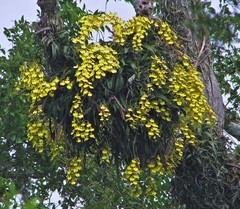 Gomesa bifolia
 Bombus
 Cistus creticus
 Astrophytum asterias